Category Archives: Buntzen Lake Blog

Hiking to lose Weight

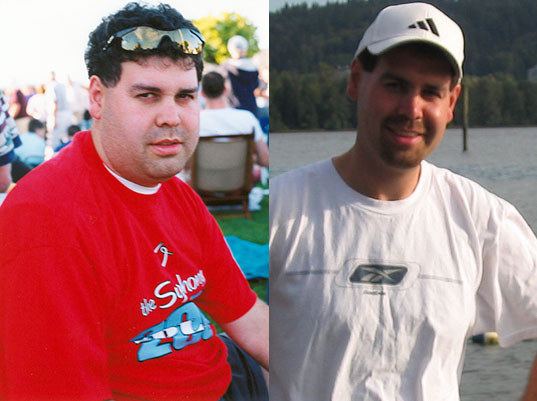
Hiking became an important part of getting fitter and losing weight for me. When I started, I weighed about 240 lb (109 kg). Over time, I reached about 170 lb (77 kg).

I did not begin with difficult mountain hikes. I started by walking approximately 5 km on relatively flat trails about three times a week. I timed some of my walks, tracked my progress, and gradually moved on to longer and more challenging hikes.

A personal experience: What follows is what helped me. Weight management is individual, and factors such as health conditions, medications, sleep, stress, and nutrition can all play a role. If you are making major changes to your activity level or diet, particularly if you have a medical condition, consider speaking with a health professional or registered dietitian.

My Before and After


Before and after photos showing my weight-loss progress

How I Got Started

For me, consistency was more important than trying to do too much too soon. Walking was a manageable starting point, and as my fitness improved I gradually added hills, longer distances, and more challenging hikes.

  • Start easy. If you have not been active for a while, begin with shorter, relatively flat walks and build from there.
  • Increase gradually. Add distance, elevation, or pace a little at a time rather than increasing everything at once.
  • Track your activity. Distance, time, route, and frequency can help you see progress. I have used MapMyFitness to record my workouts.
  • Find activities you actually enjoy. Hiking worked for me because I wanted to keep doing it.
  • Consider a hiking or walking partner. Having someone else involved can make it easier to stay consistent.
  • Add strength training. Stronger legs, core, and upper body can improve both general fitness and hiking ability.
  • Allow time for recovery. Rest, sleep, and easier days are part of improving fitness.

For someone looking for a relatively easy walk at Buntzen Lake, the Energy Trail can be a good place to start.

Eating Habits That Helped Me

Exercise was only part of the equation for me. I also became much more aware of what I was eating and drinking.

Some of the habits I found useful were:

  • Making water my main drink.
  • Cutting back substantially on sugary drinks.
  • Eating more vegetables, fruit, whole grains, and protein-rich foods.
  • Choosing foods that helped me feel satisfied rather than simply eating the lowest-calorie option available.
  • Keeping nutritious snacks available when I knew I would be hungry.
  • Eating nuts and nut butters in reasonable portions. They can be filling, but they are also energy-dense.
  • Cooking at home more often and eating restaurant meals less frequently.
  • Using herbs, spices, mustard, lemon, and hot sauce to add flavour without relying heavily on rich sauces.
  • Reading nutrition labels rather than assuming that a product labelled “low fat” or “healthy” is necessarily a better choice.
  • Being aware of portion size, particularly with calorie-dense foods.
  • Limiting alcohol.

Cutting Back on Added Sugar

One of the biggest changes for me was reducing the amount of sugar I was drinking and eating. Sugary beverages are particularly easy to consume without feeling very full.

Foods and drinks I became more conscious of included:

  • soft drinks and other sugar-sweetened beverages;
  • sweetened coffee drinks;
  • fruit juice;
  • candy and chocolate;
  • cookies, cakes, pastries, and doughnuts;
  • syrups, jams, and sweet spreads;
  • sweetened breakfast cereals;
  • ice cream and other desserts; and
  • sauces and condiments that contain substantial added sugar.

This does not mean that every food containing sugar needs to be eliminated. For me, the bigger improvement came from recognizing the foods and drinks that contributed a lot of sugar and calories without adding much nutritional value.

Motivation and Consistency

The difficult part was not knowing that exercise and healthier eating were useful. The difficult part was sticking with them.

I found that setting small challenges worked better than thinking only about the final goal.

One example was sweetened coffee drinks. Rather than telling myself I could never have one again, I challenged myself to go without them for one month. One month eventually became three. Reaching that small goal gave me confidence that I could change other habits as well.

A challenge does not have to involve food. It could be:

  • walking 1, 2, or 3 km every day;
  • completing three walks each week for a month;
  • gradually improving your walking pace;
  • trying a new trail;
  • adding regular strength training; or
  • reducing the amount of time spent sitting.

Tracking Progress

I found it motivating to record my walks and hikes and watch my fitness improve. If you choose to track body weight as well, use a consistent approach. Body weight naturally fluctuates from day to day, so the overall trend is more useful than any single measurement.

Progress can also show up in other ways: walking farther, climbing hills more comfortably, recovering faster, sleeping better, or simply having more energy.

What I Learned

The biggest lesson for me was that I did not need to begin as a strong hiker. I needed to begin with something I could actually sustain.

A 5 km walk eventually became longer walks. Longer walks became hikes. The hikes became more challenging, and the improvements in fitness gave me more confidence to keep going.

Hiking was not a quick fix. It became part of my lifestyle, and that made the difference.

Current Canadian guidance: Adults are encouraged to accumulate at least 150 minutes of moderate-to-vigorous physical activity each week and include regular muscle-strengthening activity. Canada’s Food Guide emphasizes vegetables and fruit, whole grains, protein foods, water, and limiting highly processed foods and sugary drinks.

Dogs at Buntzen Lake

Buntzen Lake is a popular place to walk with a dog, with forest trails, designated off-leash areas, and a lakeside area where dogs can swim. However, there are specific rules about where dogs are permitted and where they may be off leash.

The most important rule is simple: dogs must be leashed on Buntzen Lake hiking trails unless they are within a designated off-leash area or on the designated dog off-leash trail.

You may see dogs off leash elsewhere around the lake, but the regular hiking trails, including the Buntzen Lake Loop, are not designated off-leash trails.


Dog rules sign at Buntzen Lake
Dog information signage at Buntzen Lake.

Buntzen Lake Dog Rules at a Glance

  • Dogs are permitted on the hiking trails, but they must be leashed.
  • Dogs may be off leash only in the two designated off-leash areas or on the designated dog off-leash trail.
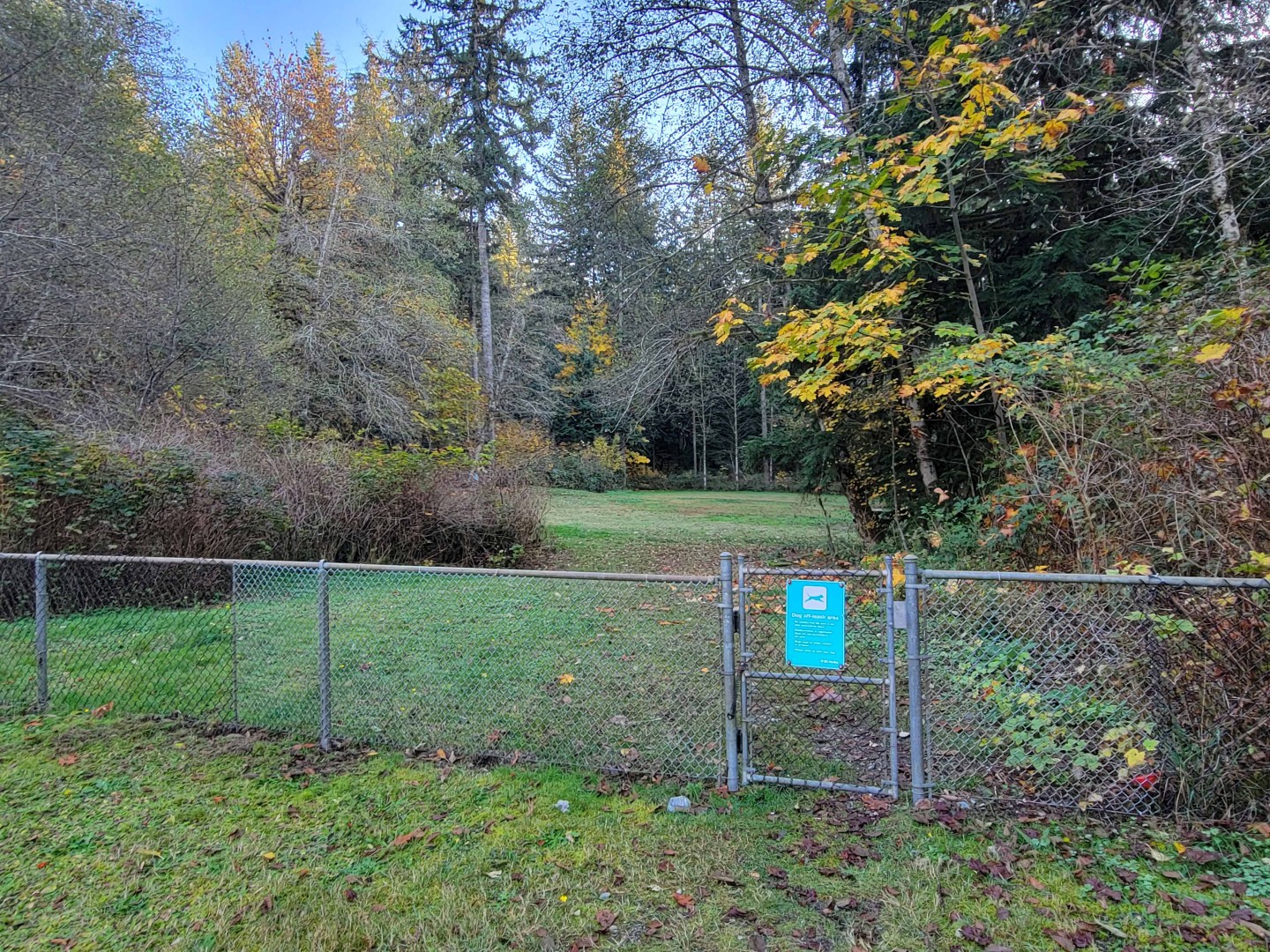
  • A grassy off-leash dog park with a picnic table is located beside the first asphalt parking lot as you enter the main parking area.
  • The dog off-leash trail is approximately 0.6 km long, one way, and begins southeast of the main parking lots.
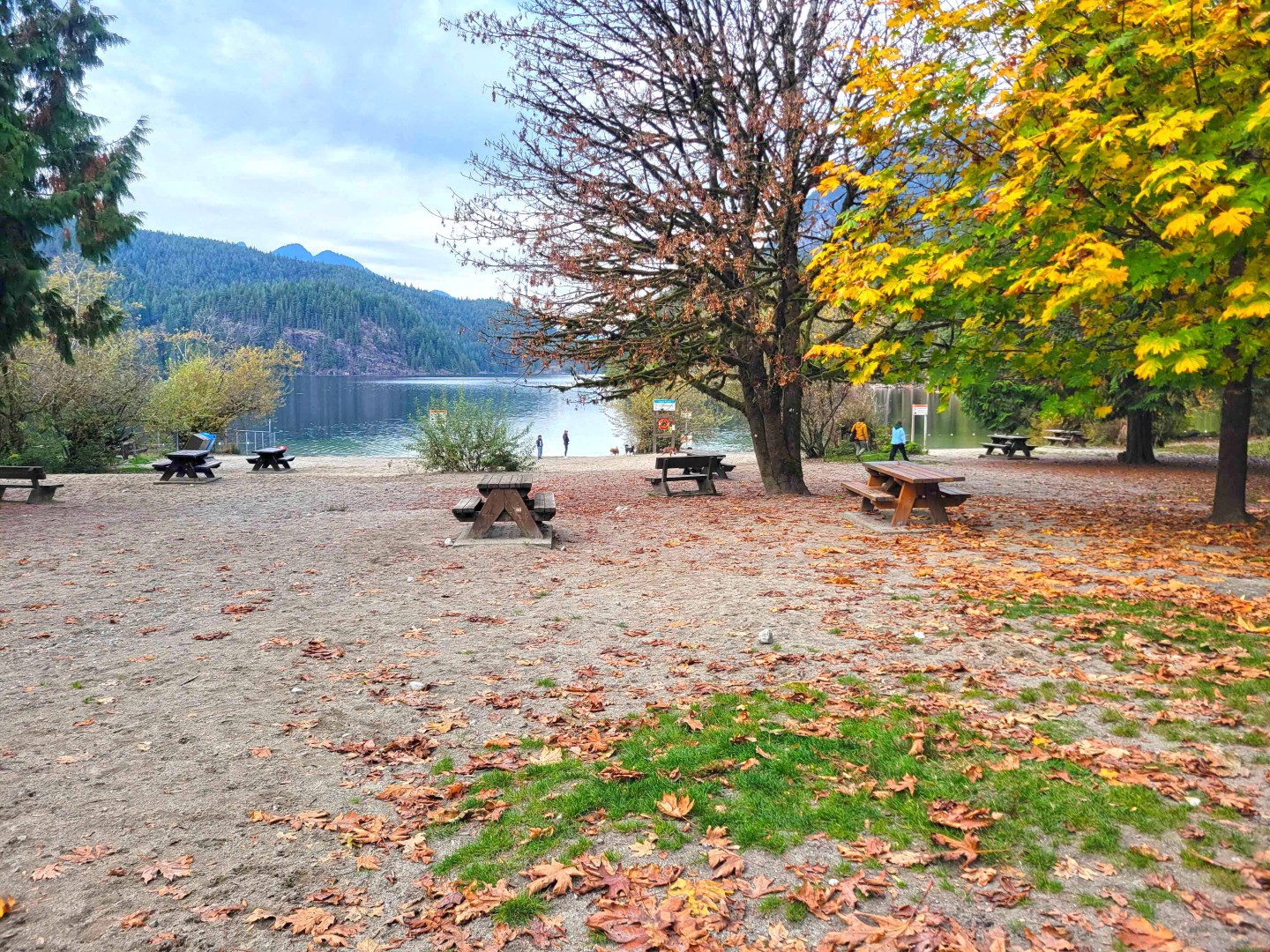
  • Dogs are not permitted in the main South Beach swimming and picnic area. Use the designated route around the beach.
  • A fenced dog recreation area near South Beach provides access to the lake for dogs to swim.
  • A covered picnic shelter with two tables is located inside the fenced dog area.
  • A dog wash-off station and a separate short-term Dog Parking enclosure are available near the South Beach washrooms.
  • Dogs must remain under their owner’s control at all times, including in off-leash areas.
  • Always pick up after your dog and carry waste bags to a garbage bin or take them home.

Where Can Dogs Be Off Leash?

BC Hydro provides two designated off-leash areas at Buntzen Lake, along with a dedicated dog off-leash trail. The off-leash areas give dogs places to exercise without using the regular hiking trails.

The two designated areas are the grassy off-leash dog park beside the first asphalt parking lot and the dog recreation and swimming area near South Beach. There is also a dedicated dog off-leash trail beginning southeast of the main parking lots, approximately 0.6 km long, one way.

Outside the designated off-leash areas and trail, dogs must be leashed. Watch for signs identifying the boundaries of each area.

Grassy Off-Leash Dog Park Near the Parking Lots

Buntzen Lake also has a grassy off-leash dog park near the main parking lots. As you drive into the recreation area, turn right into the first asphalt parking lot. The dog park is immediately to your right, on the east side of the parking lot.

You can view the exact location of the grassy off-leash dog park on Google Maps.

The park has a grassy clearing surrounded by trees, with a picnic table for visitors. There is a fenced entrance, although the area is not completely enclosed by fencing, so keep an eye on your dog.

According to the posted BC Hydro rules, dogs must remain under control, aggressive or rambunctious dogs are not permitted, and owners must clean up after their pets.


Grassy off-leash dog park with a fenced entrance beside the first asphalt parking lot at Buntzen Lake
The grassy off-leash dog park near the first parking lot, October 2026. Click the photograph to enlarge.

Map showing designated dog areas at Buntzen Lake
Dog areas at Buntzen Lake. This is an older map, so follow current on-site signage if routes or boundaries have changed.

Dogs on the Buntzen Lake Loop

Dogs are welcome on the Buntzen Lake Loop and other hiking trails around the recreation area, but they must remain on a leash. The off-leash exception applies only within the designated areas and on the designated dog off-leash trail.

This means the west-side trail, North Beach sections, suspension bridge area, east-side trail, and other regular hiking trails are not general off-leash areas.

Although off-leash dogs are commonly seen on the hiking trails, that does not change BC Hydro’s leash requirement.

During longer walks around the lake, keep your dog close when passing other hikers, cyclists, children, and other dogs. Be especially considerate on narrow or busy trail sections where there may be little room to pass.

South Beach Dog Area and Swimming

Dogs are not permitted in the main South Beach swimming and picnic area. If you are arriving with a dog, follow the signs directing you around the beach and toward the designated dog areas.

BC Hydro directs dog owners to use the trail beside the beach, which leads toward the off-leash area near Buntzen Creek. Do not walk your dog through the main swimming beach as a shortcut.

The fenced dog recreation area near South Beach provides space for dogs to exercise off leash and includes designated access to the lake for swimming. It’s a useful option for dogs that enjoy the water, without bringing them into the main public swimming area.

The fenced area also contains a covered picnic shelter with two picnic tables. This provides a place for dog owners to sit and take a break while visiting the designated dog area.


Fenced off-leash dog recreation area with lake access near South Beach at Buntzen Lake
The fenced dog recreation and swimming area near South Beach, October 2026. Photograph: BuntzenLake.ca.

Even in the designated dog swimming area, owners should supervise their dogs closely, particularly around the water and other dogs. Buntzen Lake is a reservoir, and water temperatures, levels, and shoreline conditions can vary.

Dog Parking and Wash-Off Facilities

Two useful facilities are available near the fenced South Beach dog area: a short-term Dog Parking enclosure and a dog wash-off station. Both were confirmed during my visit on 21 October 2026.

Short-Term Dog Parking

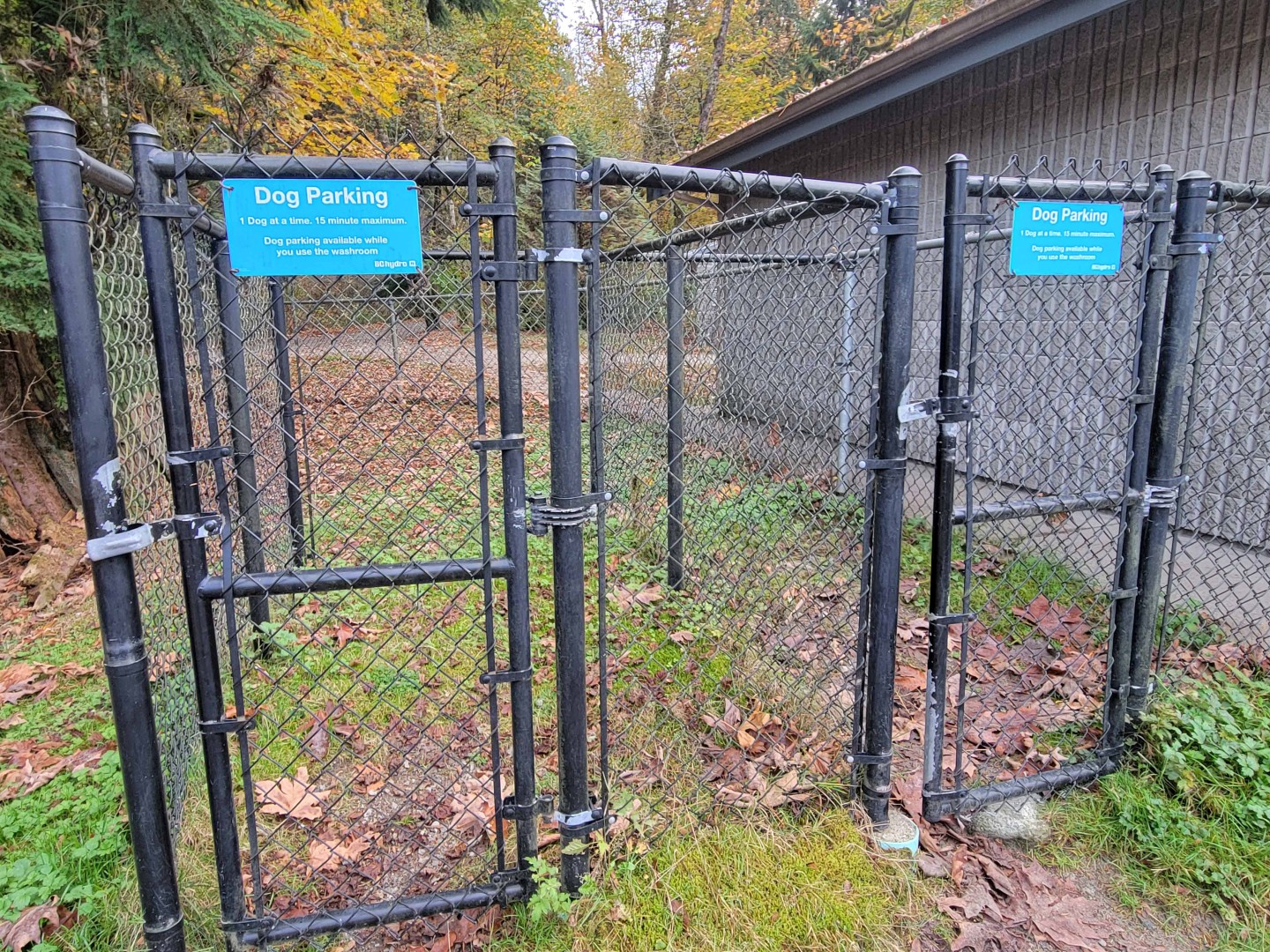
Beside the washroom building, outside the fenced dog recreation area, there is a separate enclosure signed Dog Parking. It allows an owner to leave a dog in the designated enclosure briefly while using the adjacent washroom.

The posted rules specify one dog at a time and a maximum stay of 15 minutes. This facility is intended for short washroom visits, not for leaving a dog unattended for an extended period.

Dog Wash-Off Station

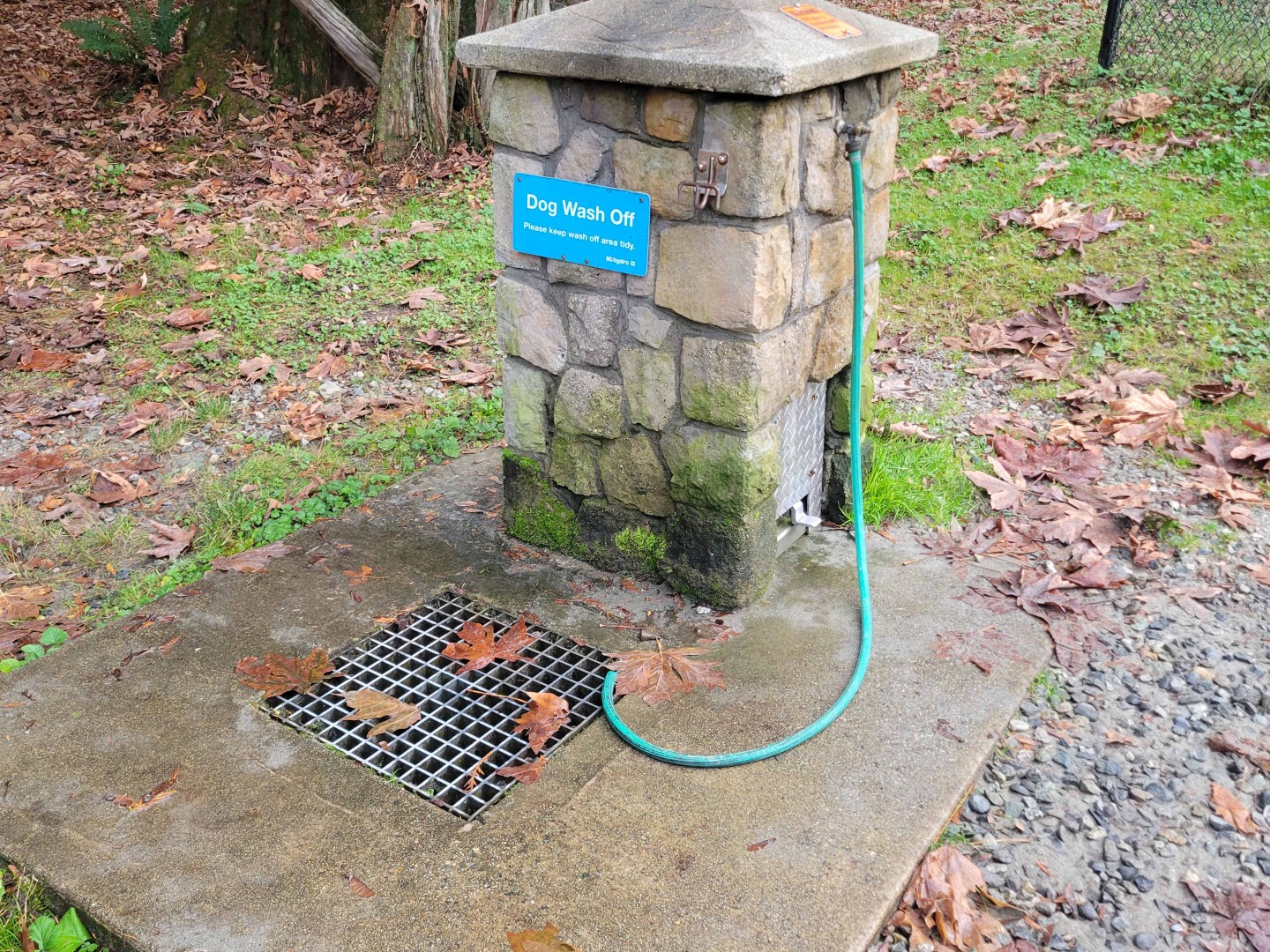
A dedicated dog wash-off station is located near the fenced dog area. It has a faucet, hose, and drainage grate, making it convenient for rinsing mud or sand off your dog before returning to your vehicle.

The wash-off station is separate from the general public drinking-water facilities. Water availability may vary seasonally, so don’t assume the hose will always be operating.


Fenced Dog Parking enclosure beside South Beach washrooms, with a one-dog and 15-minute limit
Short-term Dog Parking beside the washrooms. One dog at a time, 15-minute maximum. October 2026.

Dog wash-off station with faucet, green hose and drainage grate at Buntzen Lake
Dog wash-off station near the fenced dog recreation area, October 2026.

Keeping Your Dog Under Control

Even within an off-leash area, BC Hydro requires dogs to remain under their owner’s control. This is particularly important at Buntzen Lake because the recreation area can be busy with hikers, runners, children, cyclists, other dogs, and wildlife.

Not every person or dog is comfortable being approached by an unfamiliar dog. If your dog is off leash in a designated area, make sure you can call it back and prevent it from bothering other visitors or animals.

Wildlife also uses the forests surrounding Buntzen Lake. I’ve encountered bears on several occasions during my hikes, and allowing a dog to chase or approach wildlife can create unnecessary risks for both the dog and its owner.


Off-leash dog warning sign at Buntzen Lake
An off-leash warning sign at Buntzen Lake.

Clean Up After Your Dog

Most dog owners at Buntzen Lake do a good job of cleaning up after their pets, but occasionally you’ll find dog waste or filled waste bags left beside the trails.

Garbage bins are available around the recreation area, including at South Beach, North Beach, and near the west side of the floating bridge area. However, there are long sections of the hiking trails without garbage bins.

Dogs often do their business shortly after arriving, when a garbage bin may be nearby. But if your dog goes halfway around Buntzen Lake, it’s your responsibility to carry the filled waste bag until you reach the next bin or take it home.

Please don’t leave filled dog waste bags beside the trail, even if you intend to collect them on your way back. They’re still litter, and nobody else should have to pick up after your dog.

It may be a small inconvenience to carry a dog waste bag for part of your hike, but it’s part of being a responsible dog owner. Keeping waste off the trails helps protect the environment and makes Buntzen Lake more enjoyable for everyone.


Sign reminding dog owners to clean up after their dogs at Buntzen Lake
A reminder to clean up after your dog.

For more ways to help protect the trails, forests, and wildlife, read my Leave No Trace at Buntzen Lake article.

Before Bringing Your Dog to Buntzen Lake

Buntzen Lake can be extremely busy on warm weekends and holidays. If you’re driving, check the current Buntzen Lake parking information before heading out, and allow enough time to finish your visit before the recreation area gate closes.

Bring a leash, dog waste bags, and anything else your dog may need for the outing. For longer hikes, consider your dog’s fitness, the weather, and whether it can comfortably handle the distance and trail conditions.

Facilities, rules, and access arrangements can change. Always follow the posted signs and check the latest official information before visiting.

For current dog rules, recreation-area information, and trail closures, consult the BC Hydro Buntzen Lake recreation page and the BC Hydro Buntzen Lake trails page.

Fire Safety on the Diez Vistas Trail

In April 2015, a small fire occurred near the Punta del Este viewpoint on the Diez Vistas Trail. Fortunately, the damage was limited, but it was a good reminder of how vulnerable the dry forest, moss, and vegetation around Buntzen Ridge can be.

The photographs and short video below show the burn area shortly after the incident.

Fire safety at Buntzen Lake
No open fires are permitted at Buntzen Lake. Smoking is only permitted in designated smoking areas at South Beach and North Beach, which means smoking is not permitted on the Diez Vistas Trail or other hiking trails. Charcoal and briquette barbecues are also prohibited.

The April 2015 Diez Vistas Fire

BC Hydro was notified of a fire on the Diez Vistas Trail on 20 April 2015. After the area was assessed and some rain fell the following day, the trail reopened on 22 April.

I hiked the trail that day to see the area for myself. The fire had occurred near the Punta del Este viewpoint at the east end of Buntzen Ridge. The visible damage appeared to be relatively limited, with moss and low vegetation affected.


Burn area near Punta del Este on the Diez Vistas Trail

Burned moss and vegetation near Punta del Este in April 2015.


Fire damage on Buntzen Ridge near the Diez Vistas Trail

Another view of the small burn area on Buntzen Ridge.

Why Fire Is a Serious Risk on Buntzen Ridge

The Diez Vistas Trail passes through forest, moss, dry organic material, and exposed ridge areas that can become very dry during extended periods of warm weather.

Even a small ignition source can become dangerous under the wrong conditions. A cigarette, open flame, or unattended fire can spread into surrounding vegetation, particularly during dry summer weather.

The safest approach is simple: do not smoke, light fires, or use any open flame on the trail.

No Campfires or Open Fires

BC Hydro does not permit open fires at Buntzen Lake. This includes campfires on or near the hiking trails.

Charcoal and briquette barbecues are also prohibited. Propane barbecues are permitted only in appropriate recreation areas when there is no active fire ban, but they are not something you should be carrying onto Diez Vistas or using along the trail.

Smoking Restrictions

Smoking is not permitted throughout the Buntzen Lake recreation area except in designated smoking areas at South Beach and North Beach.

That means smoking is not permitted on Diez Vistas, the Buntzen Lake Loop, Lakeview Trail, or the other hiking trails.

Respect the Area

Fire prevention is only one part of looking after the Buntzen Lake area. Stay on established trails where practical, do not damage vegetation, pack out anything you bring with you, and leave natural and historic features where you find them.

Buntzen Lake receives a lot of visitors, and small actions by many people can have a large cumulative effect on the surrounding forest and trails.

Video of the Burn Area

This short video shows the burn area near Punta del Este and the view toward Eagle Ridge shortly after the trail reopened in April 2015.

If You See a Wildfire

If you see a wildfire or behaviour that could start one, report it as soon as possible by calling 1-800-663-5555, or *5555 from a mobile phone.

For current fire restrictions, wildfire information, and recreation-area notices, check the BC Hydro Buntzen Lake recreation page before heading out.

High Water and Flooding at Buntzen Lake

Buntzen Lake is an active hydroelectric reservoir, and its water level can occasionally rise high enough to affect beaches, shoreline areas, and sections of trail. Most of the time the lake remains within its normal operating range, but periods of unusually high water can temporarily change access around the lake.

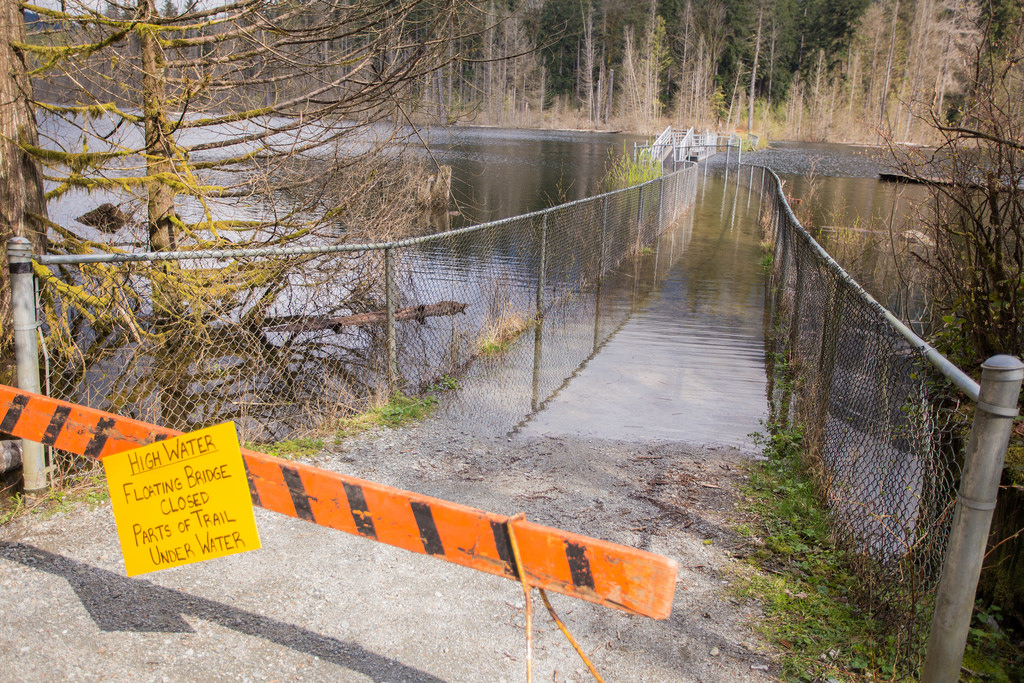
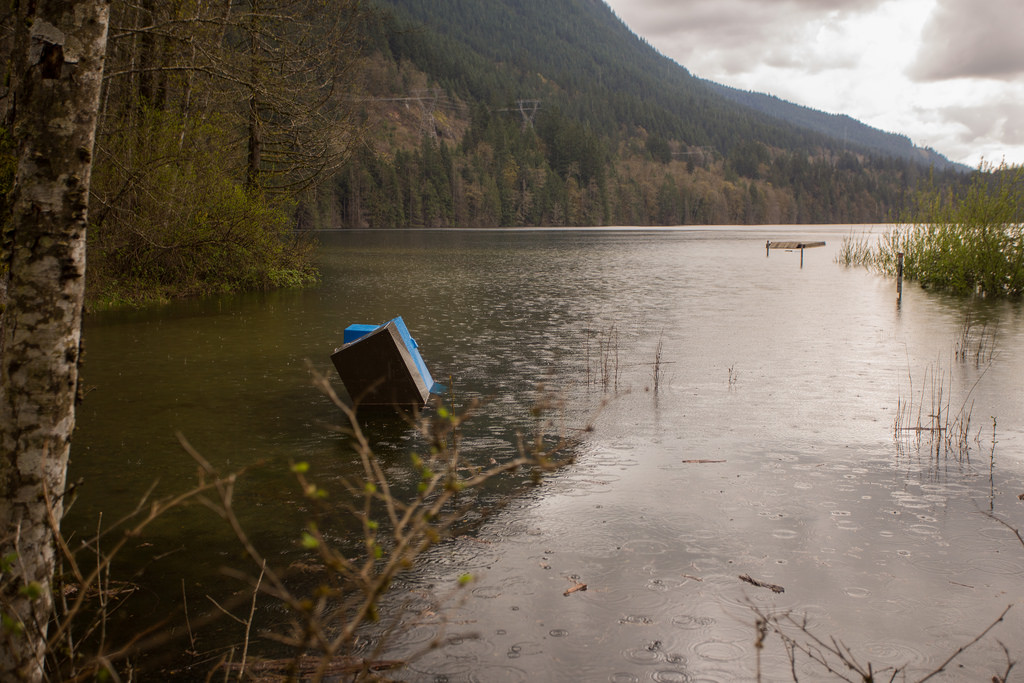
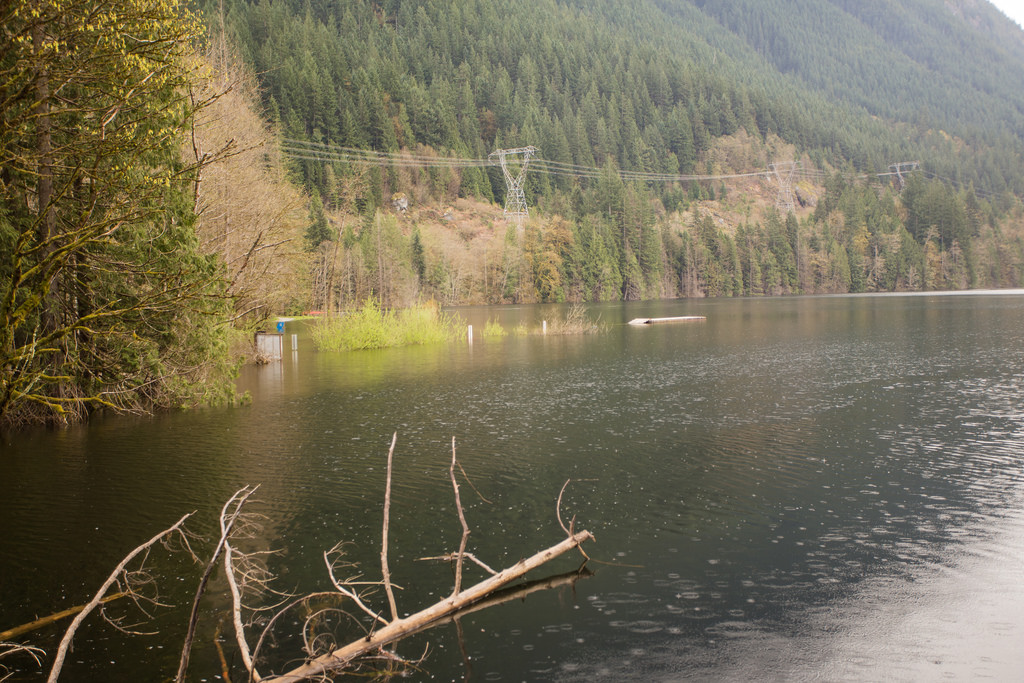
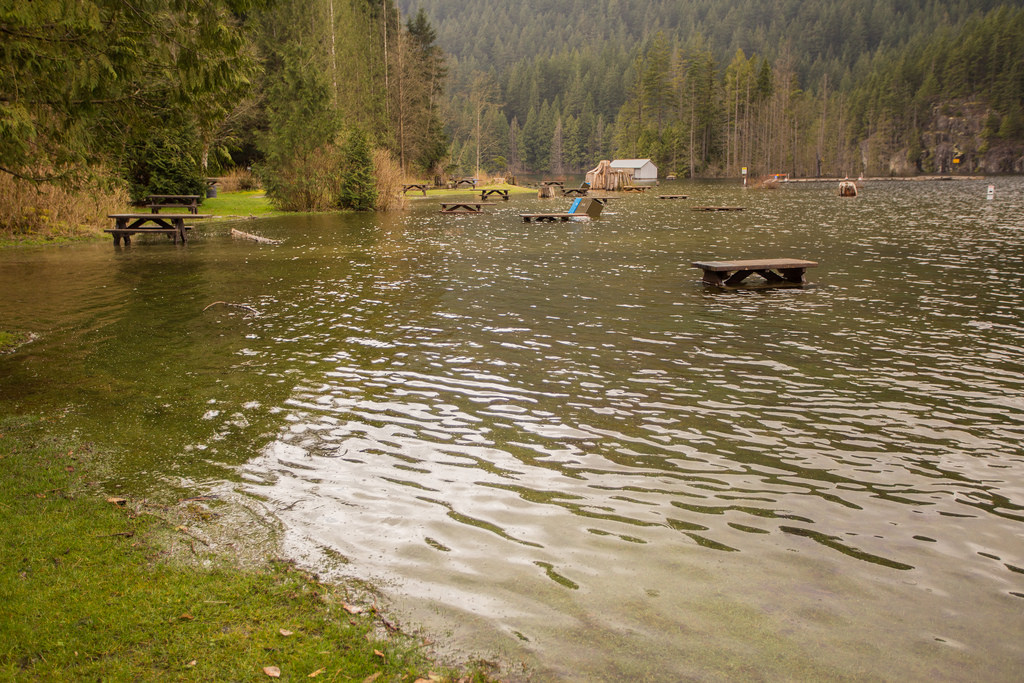
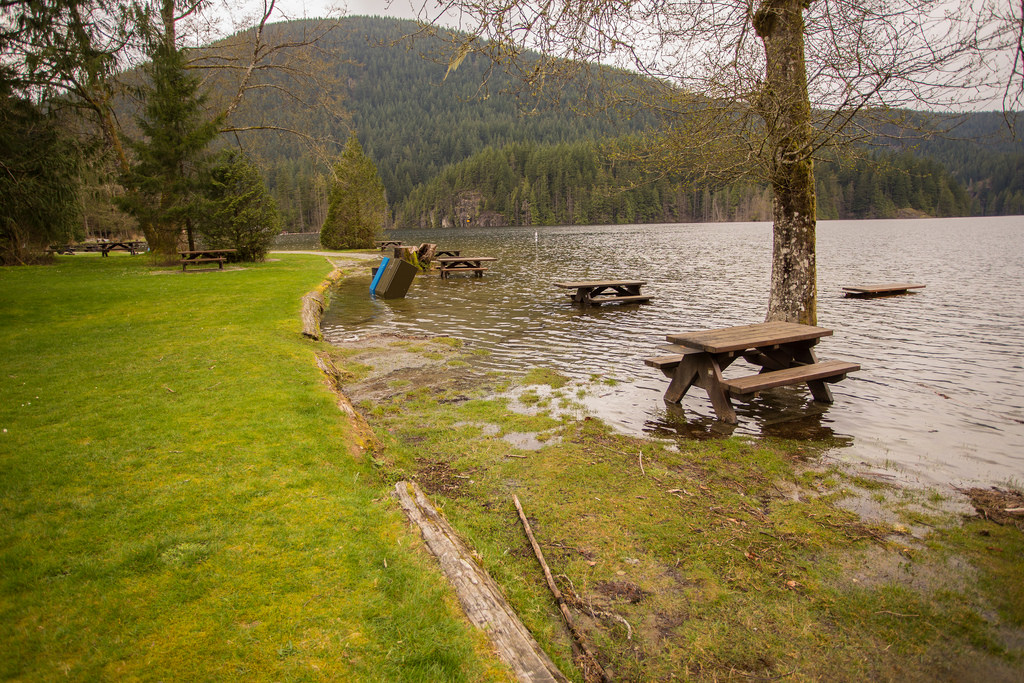
The photographs and video below show one particularly noticeable high-water event that I documented in the past. They are historical and do not necessarily represent current conditions.

Planning a visit?
For current trail closures, access restrictions, and major safety notices, check the BC Hydro Buntzen Lake recreation page and the Buntzen Lake trail information page.

High Water at Buntzen Lake

During this historical event, the lake rose high enough to flood several low-lying shoreline areas and sections of the trail system. Some portions of the normal lake loop became difficult or impossible to use, while higher trails remained accessible.


High water and flooding at Buntzen Lake in April 2015

High water at Buntzen Lake.

At the time, one alternative to the flooded portions of the regular loop was to use higher ground, including Academy Trail and Pumphouse Road. Another option was to hike the east side of the lake to North Beach and return the same way.

Those routes reflected conditions during this particular event. Trail conditions and closures can be very different during another high-water event, so current BC Hydro information and onsite signage should always take priority.

Why Can Buntzen Lake Water Levels Change?

Buntzen Lake is not simply a natural recreation lake. It is part of BC Hydro’s Coquitlam-Buntzen hydroelectric system. Water can be diverted from Coquitlam Reservoir through a tunnel beneath Eagle Mountain into Buntzen Lake, and the reservoir is actively managed as part of the hydroelectric system.

Water levels and flows can therefore change in response to reservoir operations, weather, inflows, maintenance, and other operating conditions. BC Hydro warns that sudden changes in water flows can occur near operating structures and the Coquitlam Lake tunnel outfall.

Video of the historic High-Water Event

This short video shows some of the flooding around Buntzen Lake and the strong flow of water entering the lake through the tunnel from the Coquitlam Reservoir system.

North Beach During High Water

North Beach is normally a broad shoreline recreation area, but during this event much of the usual beach area was underwater.


North Beach during high water at Buntzen Lake in April 2015

North Beach during the historic high-water event.


Flooded shoreline at North Beach, Buntzen Lake

Another view of the flooded shoreline at North Beach.

South Beach During High Water

South Beach was also noticeably affected. Areas that are normally dry and used for recreation were covered by lake water.


South Beach flooded at Buntzen Lake in April 2015

High water at South Beach in April 2015.


Flooded recreation area at South Beach, Buntzen Lake

Another view of South Beach during the high-water event.

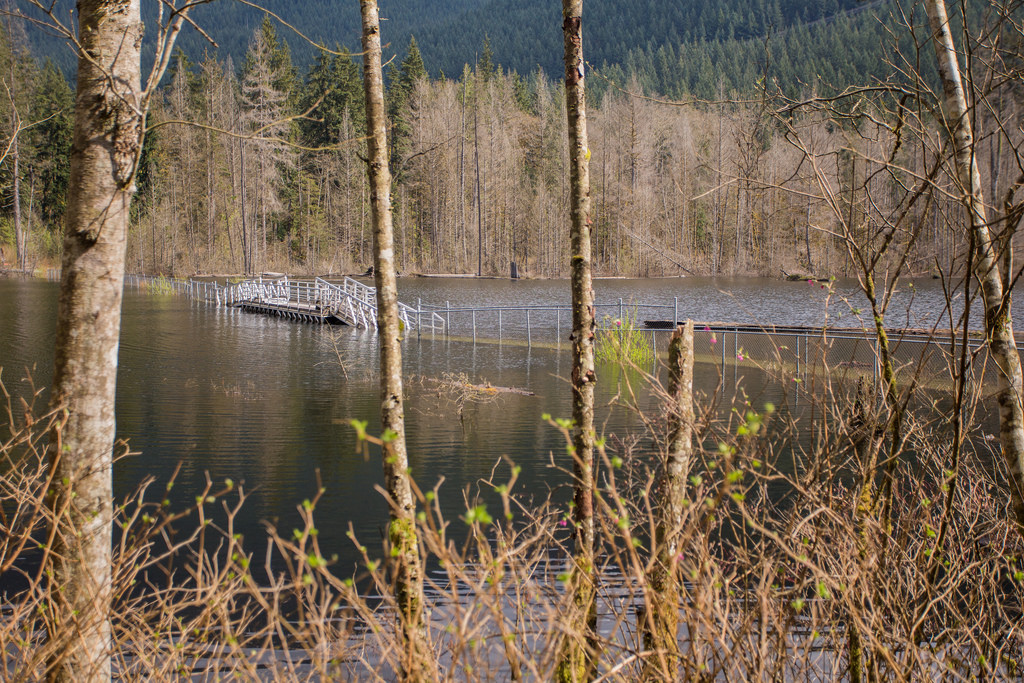
The Former Floating Bridge Area

The old floating bridge area near the south end of Buntzen Lake was another location where the unusually high water was obvious.


Former floating bridge area during high water at Buntzen Lake

The former floating bridge area during the historic high-water event.

High Water and Trail Access

Periods of high water can affect low-lying sections of trail, beaches, and shoreline access. The extent of the impact depends on the lake level and the specific conditions at the time.

Do not assume that a detour used during a previous event will still be appropriate. Trail closures, maintenance work, rockslides, flooding, and other hazards can all change the available routes.

Before heading out, check the current BC Hydro trail closures and safety information. Onsite signs and closures should always be followed.

Dragonflies

Dragonflies at Buntzen Lake

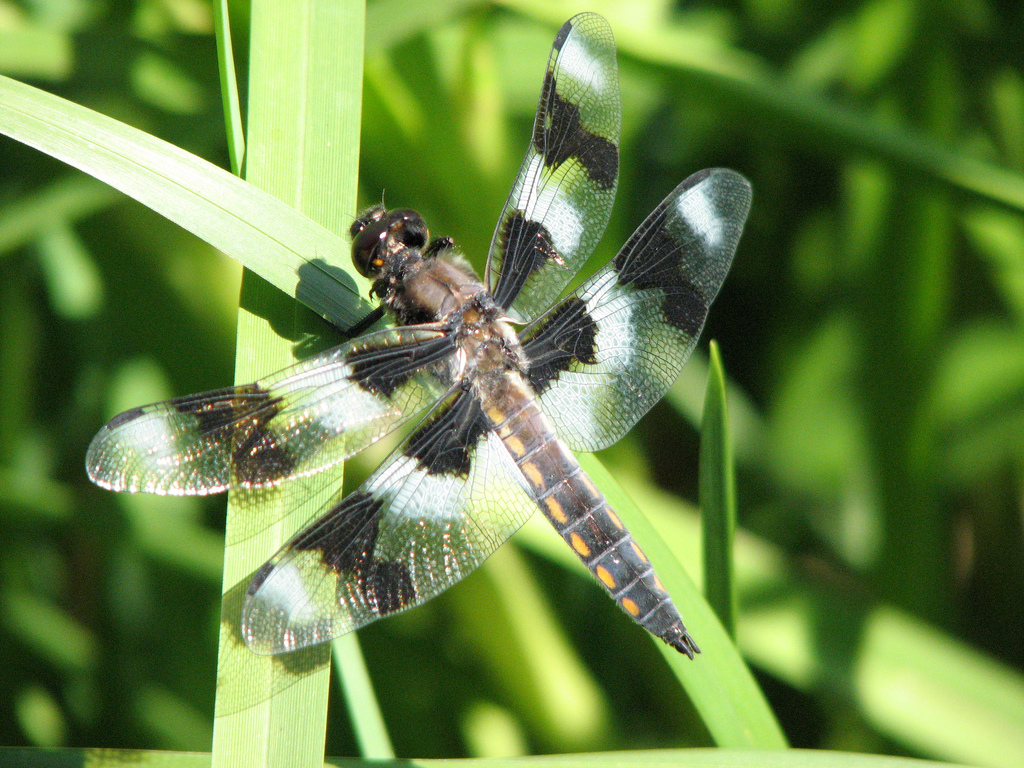
Dragonflies are a common sight around Buntzen Lake, particularly during the warmer months. I have often noticed large numbers of them flying along the shoreline, around wet areas, and through sunny openings beside the trails.

They are impressive insects to watch. Some patrol back and forth over the water almost continuously, while others repeatedly return to the same perch. And despite their size and fast flight, dragonflies are harmless to people.


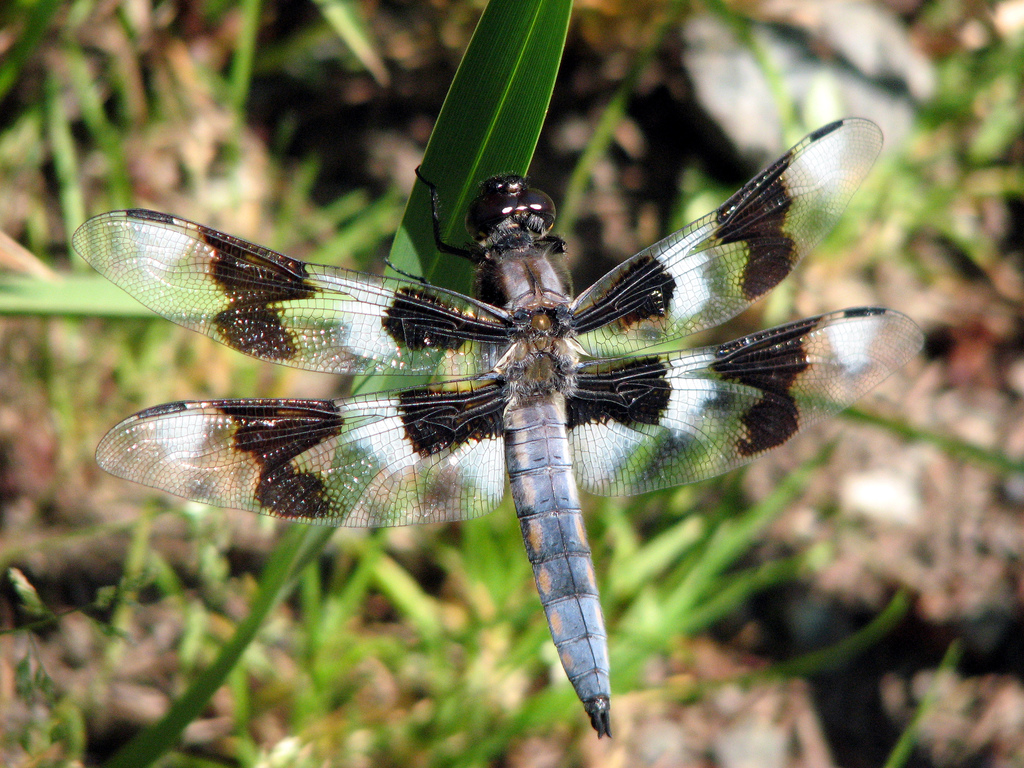
Dragonfly at Buntzen Lake

Dragonfly in the Buntzen Lake area.

Dragonflies Spend Most of Their Lives Underwater

One of the most interesting things about dragonflies is that the familiar flying adult represents only a relatively short part of their lives.

After the eggs hatch, dragonflies live underwater as aquatic larvae, commonly called nymphs or naiads. These larvae are predators themselves, feeding on other small aquatic animals as they grow.

Dragonfly larvae moult repeatedly, typically 10 to 15 times. For many species in British Columbia, the complete life cycle takes about a year. Larger dragonflies can spend several years underwater, and some species in cooler, higher-elevation environments may remain in the larval stage for four or five years.

When the larva is finally ready to become an adult, it crawls out of the water onto vegetation, a rock, log, or other support. Its outer skin splits open and the adult dragonfly emerges. The new dragonfly then expands its wings and waits for them to harden before flying away.

If you look carefully at vegetation near the water, you may occasionally find the empty shell left behind. This is called an exuvia.

An Underwater Predator With Jet Propulsion

Dragonfly larvae have another unusual ability. They breathe using internal gills and can rapidly force water from their bodies to propel themselves forward. In other words, the aquatic stage of a dragonfly has its own form of jet propulsion.

This allows the larva to escape danger quickly and adds another interesting chapter to an already unusual life cycle.

The Adult Dragonfly

Once airborne, adult dragonflies continue life as predators. Their enormous eyes, fast flight, and spiny legs make them extremely effective at catching other insects in the air.

Mosquitoes are among their prey, along with midges, flies, moths, and many other small flying insects. If a dragonfly repeatedly flies close to you, it is far more interested in the insects flying around you than it is in you.


Dragonfly resting near Buntzen Lake

A dragonfly resting in the Buntzen Lake area.

When Can You See Dragonflies at Buntzen Lake?

The exact flight period depends on the species. In British Columbia, some dragonflies can appear as early as late April or May, while others remain active into October or even November.

Around Buntzen Lake, they are particularly noticeable during the warmer months. Summer and early autumn are good times to watch for them around the shoreline, wetlands, creeks, sunny trail openings, and other areas close to water.

Warm, sunny days are generally the best time to see active adults. On cool or wet days, they tend to be much less conspicuous.

Why Dragonflies Stay Close to Water

Although adult dragonflies can travel well away from the lake, water remains essential to their life cycle. Females eventually return to suitable aquatic habitat to lay their eggs.

Different species use different habitats, including lakeshores, ponds, marshes, streams, and wetlands. Some deposit eggs directly into the water, while others place them in aquatic vegetation or other material near the waterline.

Buntzen Lake and the surrounding area provide a variety of these habitats, which helps explain why dragonflies can be so noticeable during the summer.

Dragonfly Behaviour

Dragonflies are not simply flying around randomly. Mature males of many species patrol breeding areas and may defend territories from competing males.

Their mating behaviour is also unusual. A male and female can form the distinctive loop or “wheel” position seen in dragonflies and damselflies. After mating, females return to suitable aquatic habitat to lay their eggs and begin the next generation.

How Long Do Adult Dragonflies Live?

Despite spending years underwater in some cases, the adult stage is surprisingly short. In British Columbia, adult dragonflies typically live for only about one to two months.

This means that the dragonflies seen around Buntzen Lake in a particular summer are not simply the adults from a previous year’s population returning. They are newly emerged insects completing the final stage of a life cycle that began underwater.

What Eats Dragonflies?

Dragonflies may be formidable insect predators, but they are also part of the food chain. Adult dragonflies can be eaten by birds, frogs, spiders, and other predators, while fish and other aquatic predators can feed on dragonfly larvae.


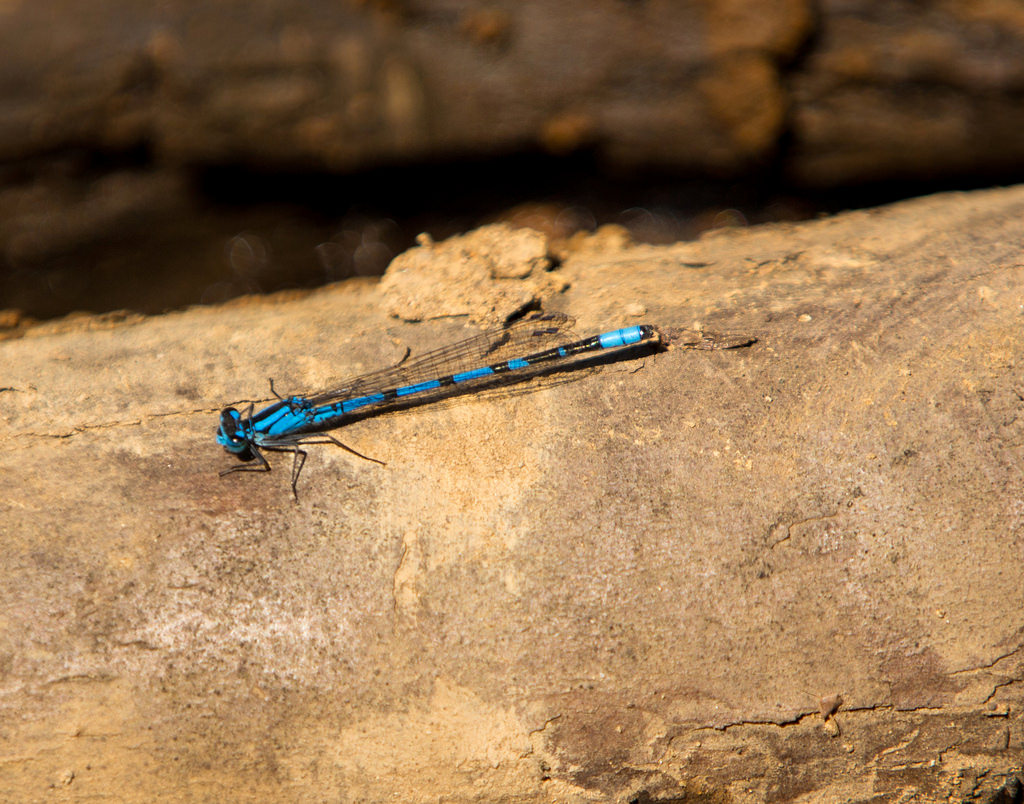
Dragonfly photographed near Buntzen Lake

Another dragonfly photographed around Buntzen Lake.

Dragonflies and Damselflies

Dragonflies and damselflies belong to the insect order Odonata and have very similar life cycles. One easy difference to notice is how they usually rest: dragonflies generally hold their wings open or outward, while most damselflies fold their wings together over the abdomen.

Both are important aquatic predators during their larval stage and aerial predators as adults.

Worth Watching for on Your Next Visit

Dragonflies are easy to overlook when you are concentrating on the trail, but they are worth stopping to watch. Their entire life cycle connects the aquatic and terrestrial environments around Buntzen Lake, from predatory larvae living beneath the surface to the fast-flying adults patrolling above it.

The next time a large dragonfly repeatedly passes close to you, there is a good chance it is simply hunting some of the smaller flying insects in the same area.