Dragonflies are a common sight around Buntzen Lake, particularly during the warmer months. I have often noticed large numbers of them flying along the shoreline, around wet areas, and through sunny openings beside the trails.
They are impressive insects to watch. Some patrol back and forth over the water almost continuously, while others repeatedly return to the same perch. And despite their size and fast flight, dragonflies are harmless to people.
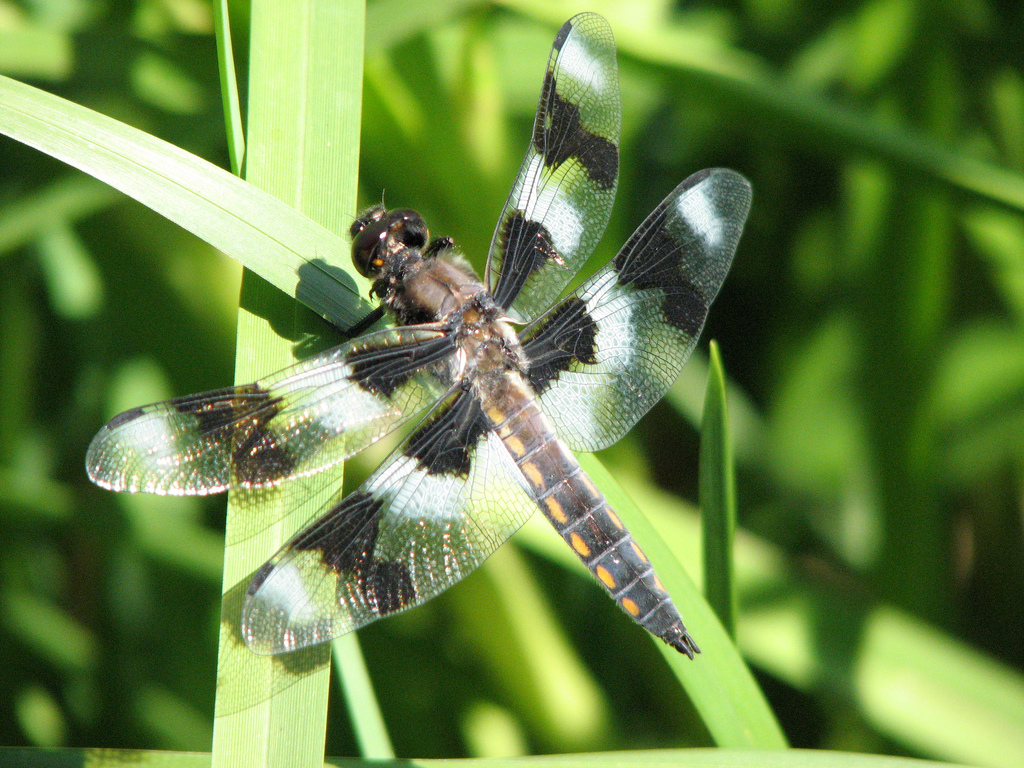
Dragonfly in the Buntzen Lake area.
Dragonflies Spend Most of Their Lives Underwater
One of the most interesting things about dragonflies is that the familiar flying adult represents only a relatively short part of their lives.
After the eggs hatch, dragonflies live underwater as aquatic larvae, commonly called nymphs or naiads. These larvae are predators themselves, feeding on other small aquatic animals as they grow.
Dragonfly larvae moult repeatedly, typically 10 to 15 times. For many species in British Columbia, the complete life cycle takes about a year. Larger dragonflies can spend several years underwater, and some species in cooler, higher-elevation environments may remain in the larval stage for four or five years.
When the larva is finally ready to become an adult, it crawls out of the water onto vegetation, a rock, log, or other support. Its outer skin splits open and the adult dragonfly emerges. The new dragonfly then expands its wings and waits for them to harden before flying away.
If you look carefully at vegetation near the water, you may occasionally find the empty shell left behind. This is called an exuvia.
An Underwater Predator With Jet Propulsion
Dragonfly larvae have another unusual ability. They breathe using internal gills and can rapidly force water from their bodies to propel themselves forward. In other words, the aquatic stage of a dragonfly has its own form of jet propulsion.
This allows the larva to escape danger quickly and adds another interesting chapter to an already unusual life cycle.
The Adult Dragonfly
Once airborne, adult dragonflies continue life as predators. Their enormous eyes, fast flight, and spiny legs make them extremely effective at catching other insects in the air.
Mosquitoes are among their prey, along with midges, flies, moths, and many other small flying insects. If a dragonfly repeatedly flies close to you, it is far more interested in the insects flying around you than it is in you.
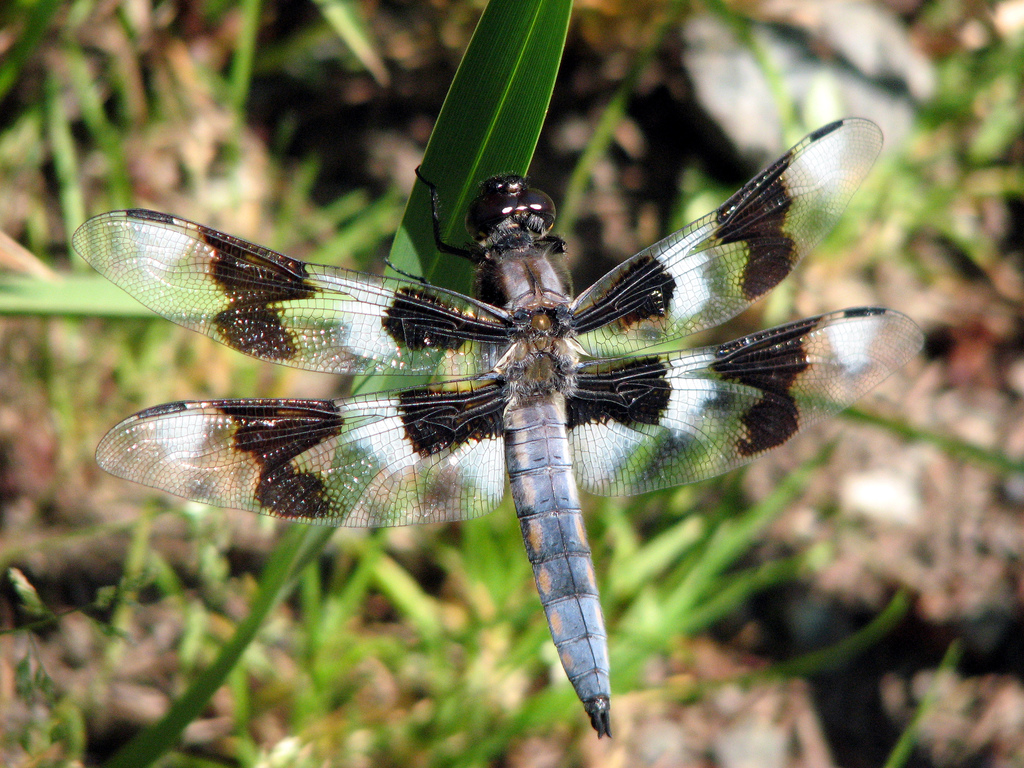
A dragonfly resting in the Buntzen Lake area.
When Can You See Dragonflies at Buntzen Lake?
The exact flight period depends on the species. In British Columbia, some dragonflies can appear as early as late April or May, while others remain active into October or even November.
Around Buntzen Lake, they are particularly noticeable during the warmer months. Summer and early autumn are good times to watch for them around the shoreline, wetlands, creeks, sunny trail openings, and other areas close to water.
Warm, sunny days are generally the best time to see active adults. On cool or wet days, they tend to be much less conspicuous.
Why Dragonflies Stay Close to Water
Although adult dragonflies can travel well away from the lake, water remains essential to their life cycle. Females eventually return to suitable aquatic habitat to lay their eggs.
Different species use different habitats, including lakeshores, ponds, marshes, streams, and wetlands. Some deposit eggs directly into the water, while others place them in aquatic vegetation or other material near the waterline.
Buntzen Lake and the surrounding area provide a variety of these habitats, which helps explain why dragonflies can be so noticeable during the summer.
Dragonfly Behaviour
Dragonflies are not simply flying around randomly. Mature males of many species patrol breeding areas and may defend territories from competing males.
Their mating behaviour is also unusual. A male and female can form the distinctive loop or “wheel” position seen in dragonflies and damselflies. After mating, females return to suitable aquatic habitat to lay their eggs and begin the next generation.
How Long Do Adult Dragonflies Live?
Despite spending years underwater in some cases, the adult stage is surprisingly short. In British Columbia, adult dragonflies typically live for only about one to two months.
This means that the dragonflies seen around Buntzen Lake in a particular summer are not simply the adults from a previous year’s population returning. They are newly emerged insects completing the final stage of a life cycle that began underwater.
What Eats Dragonflies?
Dragonflies may be formidable insect predators, but they are also part of the food chain. Adult dragonflies can be eaten by birds, frogs, spiders, and other predators, while fish and other aquatic predators can feed on dragonfly larvae.
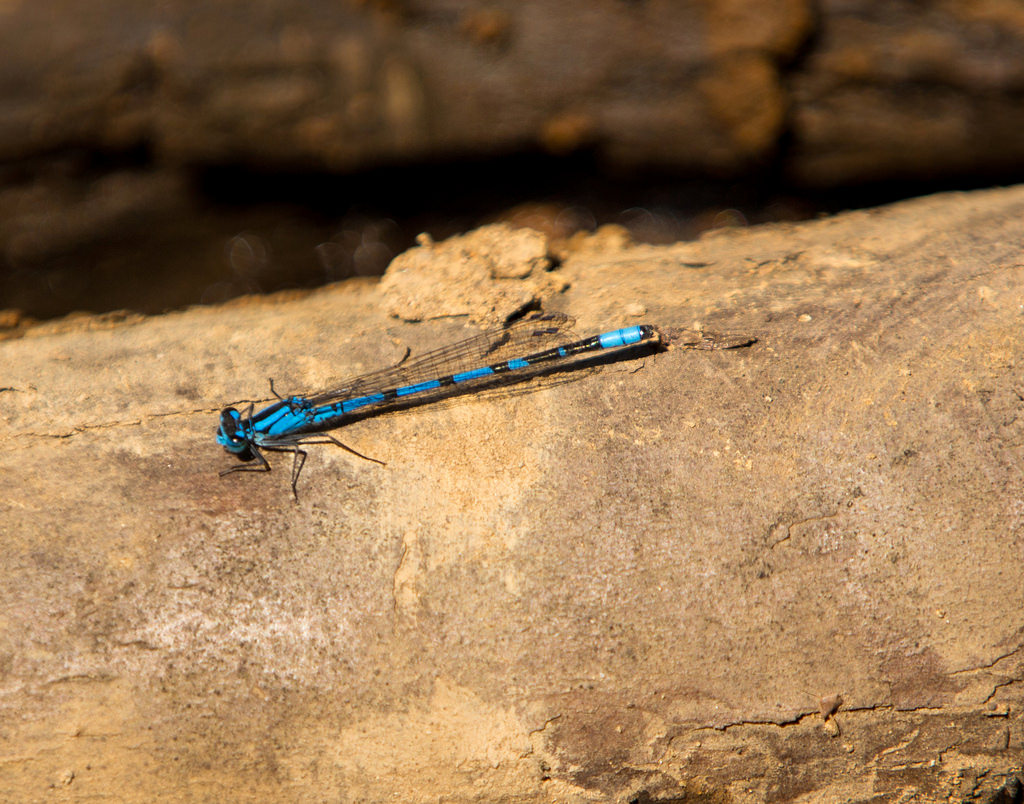
Another dragonfly photographed around Buntzen Lake.
Dragonflies and Damselflies
Dragonflies and damselflies belong to the insect order Odonata and have very similar life cycles. One easy difference to notice is how they usually rest: dragonflies generally hold their wings open or outward, while most damselflies fold their wings together over the abdomen.
Both are important aquatic predators during their larval stage and aerial predators as adults.
Worth Watching for on Your Next Visit
Dragonflies are easy to overlook when you are concentrating on the trail, but they are worth stopping to watch. Their entire life cycle connects the aquatic and terrestrial environments around Buntzen Lake, from predatory larvae living beneath the surface to the fast-flying adults patrolling above it.
The next time a large dragonfly repeatedly passes close to you, there is a good chance it is simply hunting some of the smaller flying insects in the same area.