Category Archives: North Shore

Dog Mountain and Suicide Bluff Trail

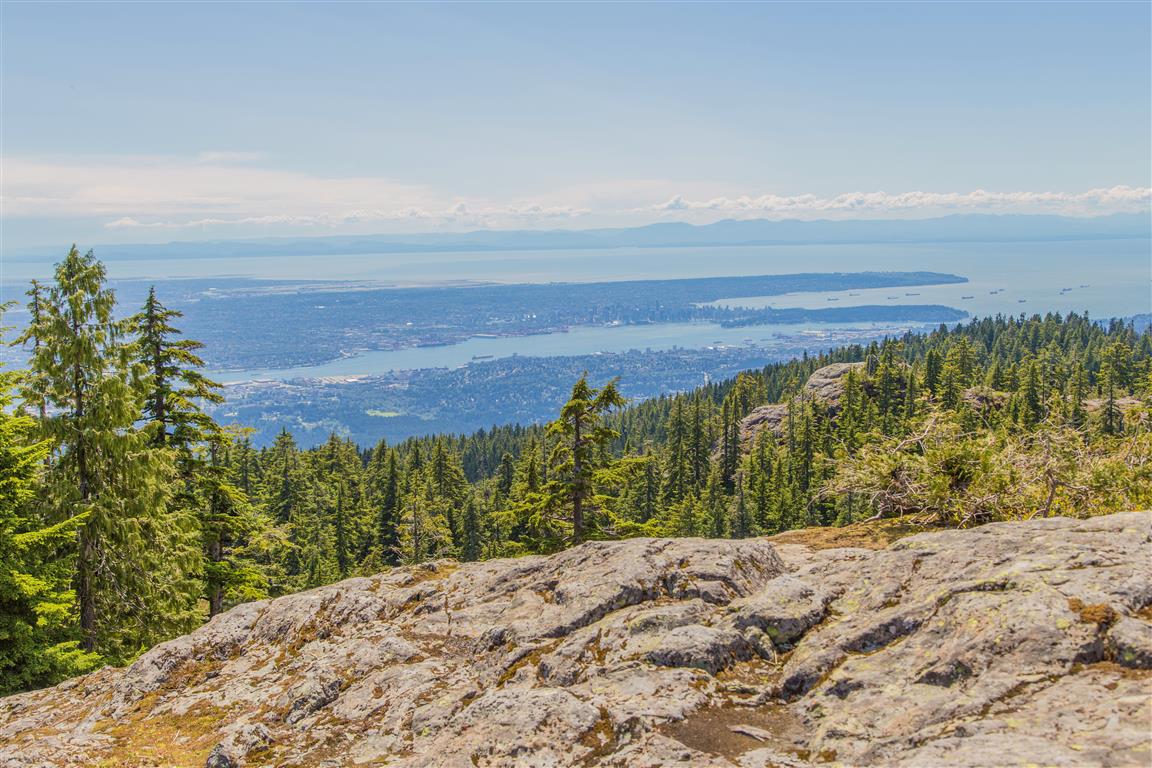
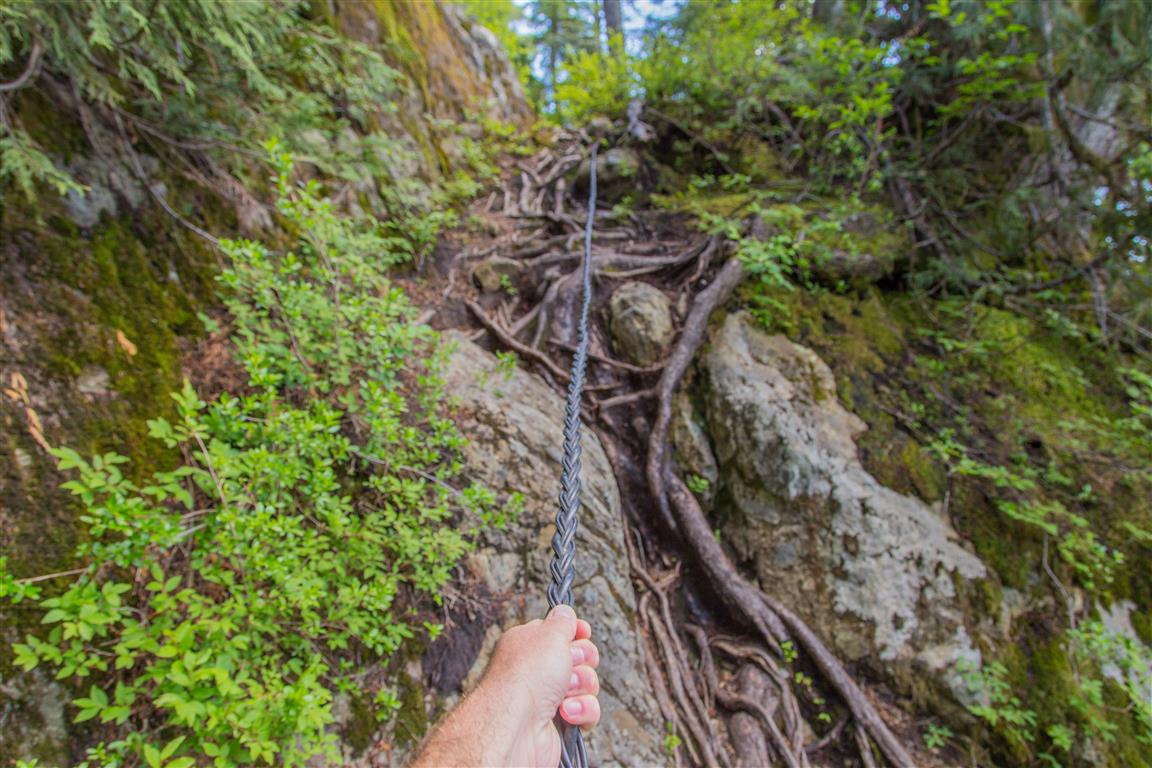
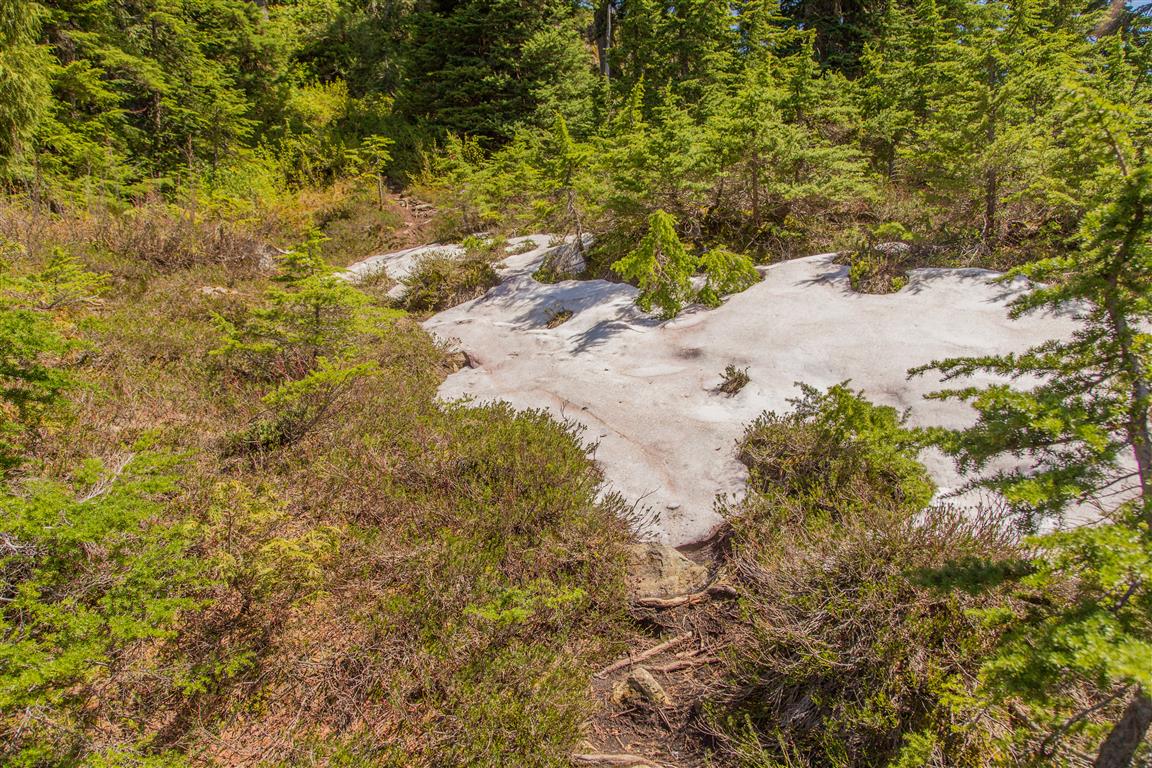
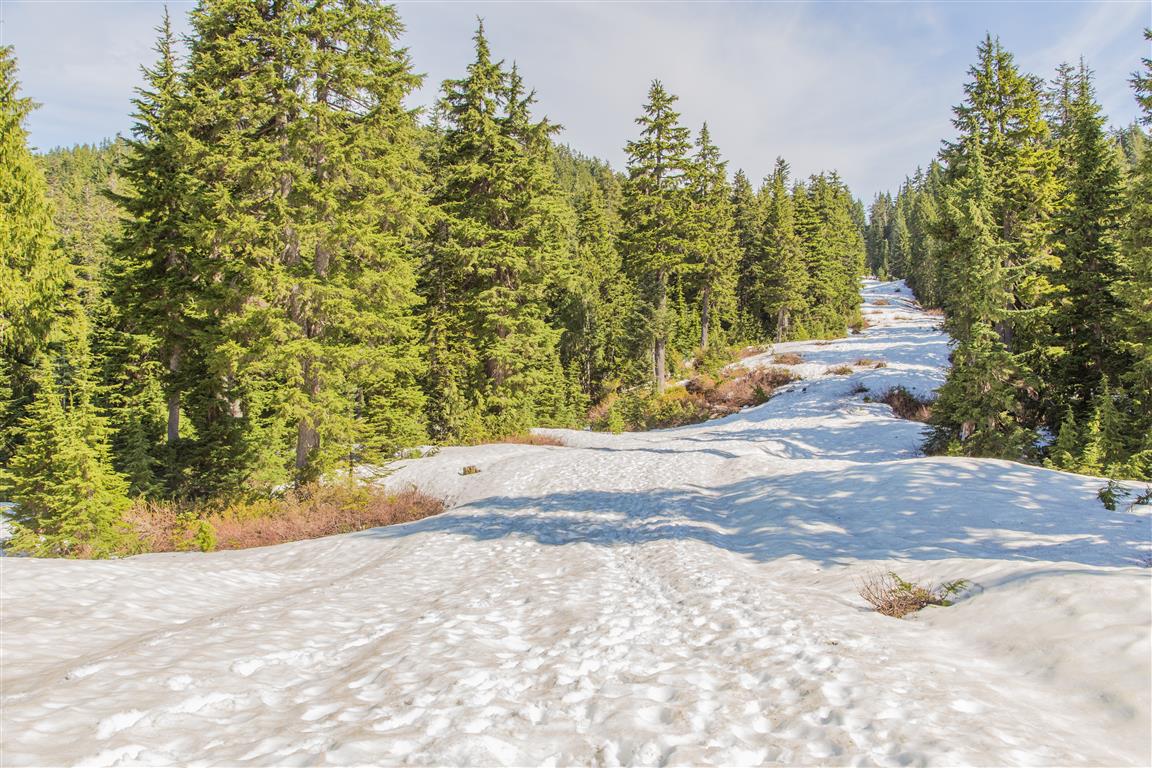
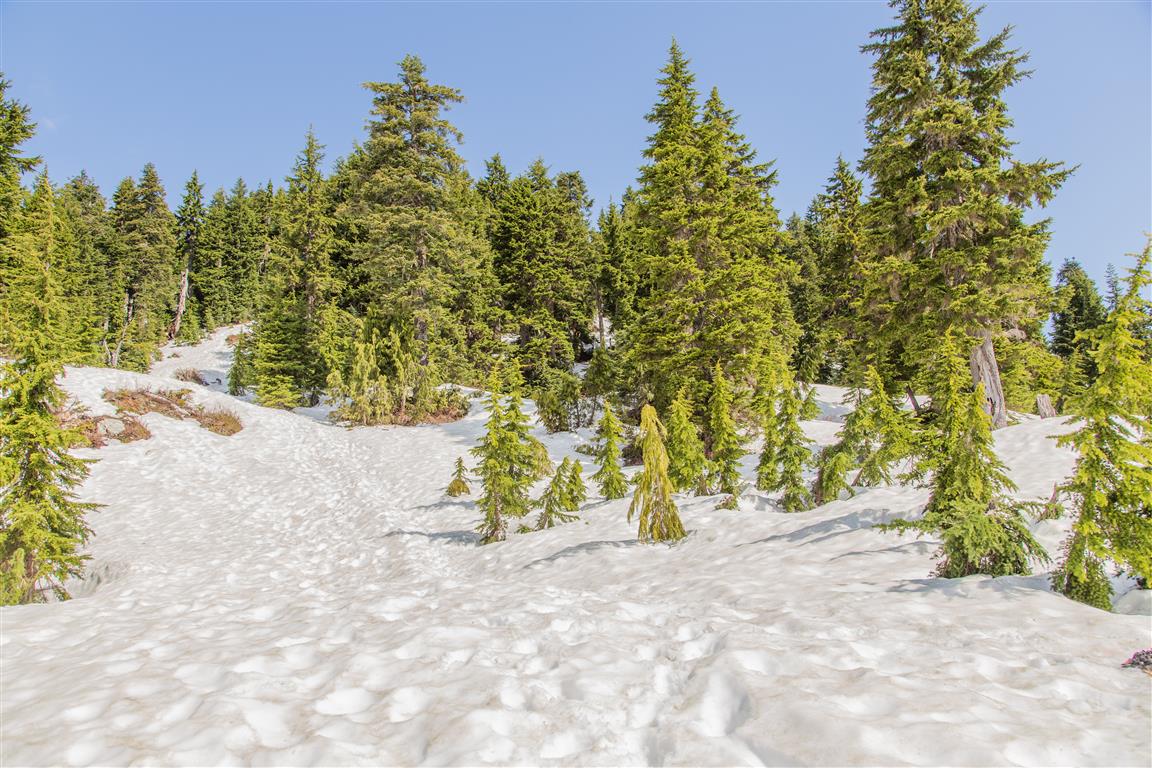
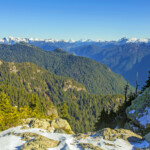
The Dog Mountain hike in Mount Seymour Provincial Park is very popular due to its fairly easy trail, low elevation gain, and amazing views. To make this hike more interesting, after the Dog Mountain viewpoint, I took the Suicide Bluff trail and made the hike a loop. Don’t be turned off by the name “Suicide Bluff” — it’s a great alternative to taking the same way back on the Dog Mountain trail, and you are treated with more amazing views. On my hike today, I did not encounter a single soul on the Suicide Bluff trail. I’m sure very few people know about it, and the trailheads are not obvious. But when you are on the trail, I found that it was well marked and easy to follow. Note that this trail may be difficult to navigate in the snow. There was only very minor snow on the trail today (18 June 2016). There are two ropes on the trail for assistance up a couple of small, steep sections. I found that the ropes were not essential, but they were helpful. If you find the Dog Mountain trail exhausting, then do not do the Suicide Bluff trail.

Dog Mountain And Suicide Bluff: Trail Conditions & Weather
Check current park advisories, road access, and weather before heading out.
📍 Get Driving Directions ↗

Interesting Facts

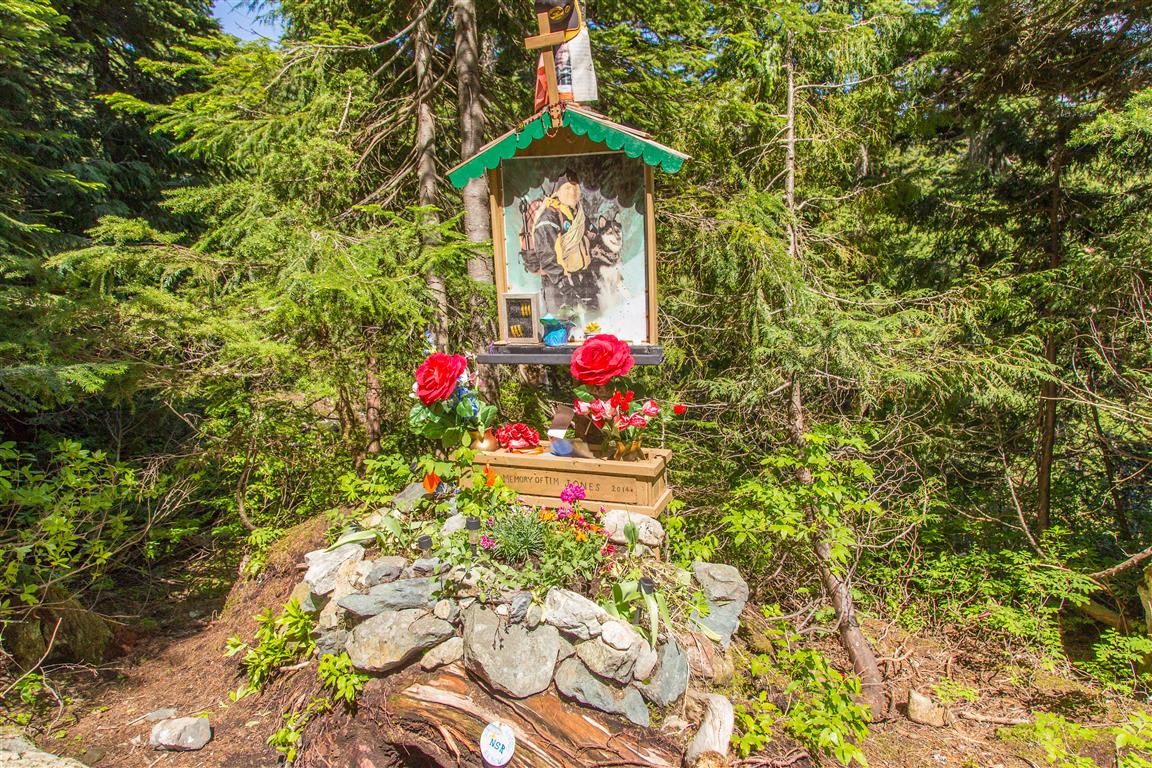
  • The memorial you’ll pass on this trail honours Tim Jones, the longtime leader of North Shore Rescue, who died in January 2014 after a sudden cardiac arrest while coming down from the team’s cabin on Mount Seymour. Over more than 30 years with the team, Jones was involved in an estimated 1,400+ rescues, and was awarded the Order of British Columbia in 2011
  • This trail sits right around the transition between the Coastal Western Hemlock (CWH) and Mountain Hemlock (MH) biogeoclimatic zones, which typically shifts around 900 to 1,000 m elevation on the North Shore mountains

Trail Stats

Here are the stats for the Dog Mountain/Suicide Bluff loop:

  • Distance: 6.6 km (return)
  • Time: 2.5 hours (fast pace, short breaks)
  • Low point: 1,000 m
  • High point: 1,160 m
  • Elevation gain: 160 m
  • Cumulative elevation gain: 515 m
  • Trailhead: 49° 22′ 6.5″ N, 122° 56′ 57.6″ W (Google Map)

The Route

The actual GPS track from this hike, drawn on the map below. Green marks the start/end point. Use the layer control in the top right to switch to a satellite view.

Photos
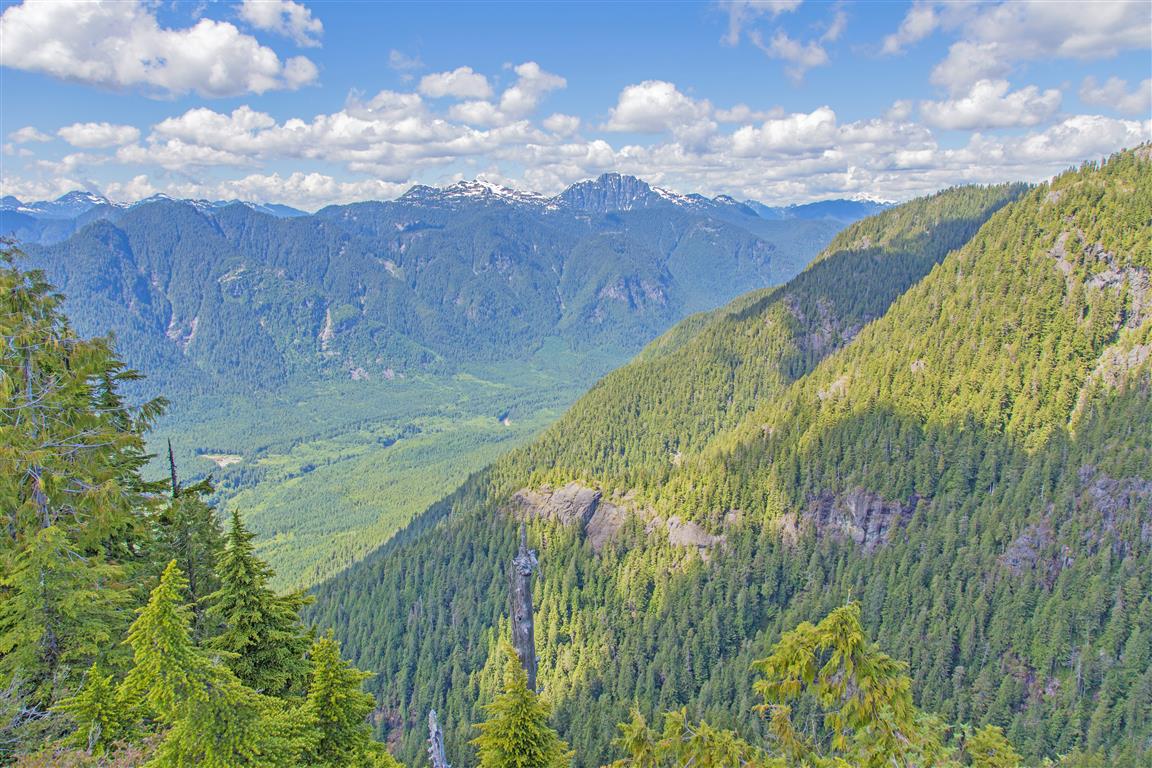
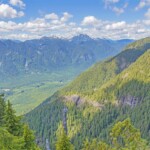
Seymour River Valley
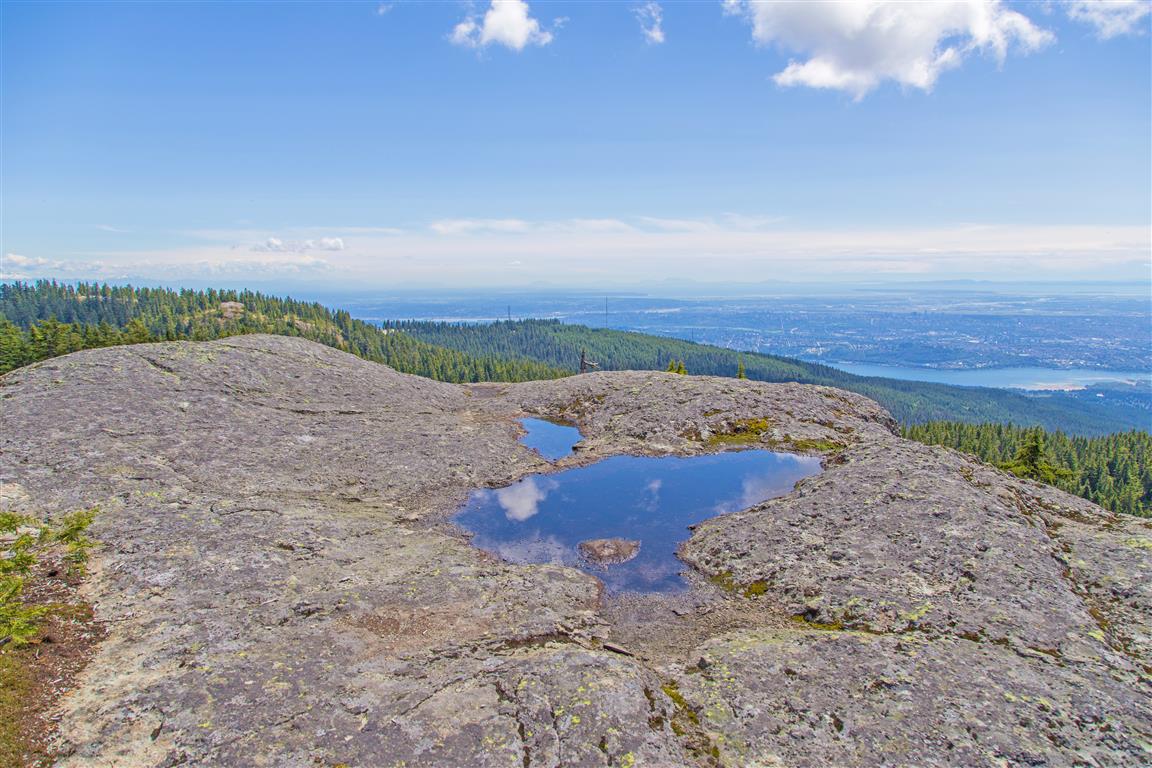
View from East Bluff
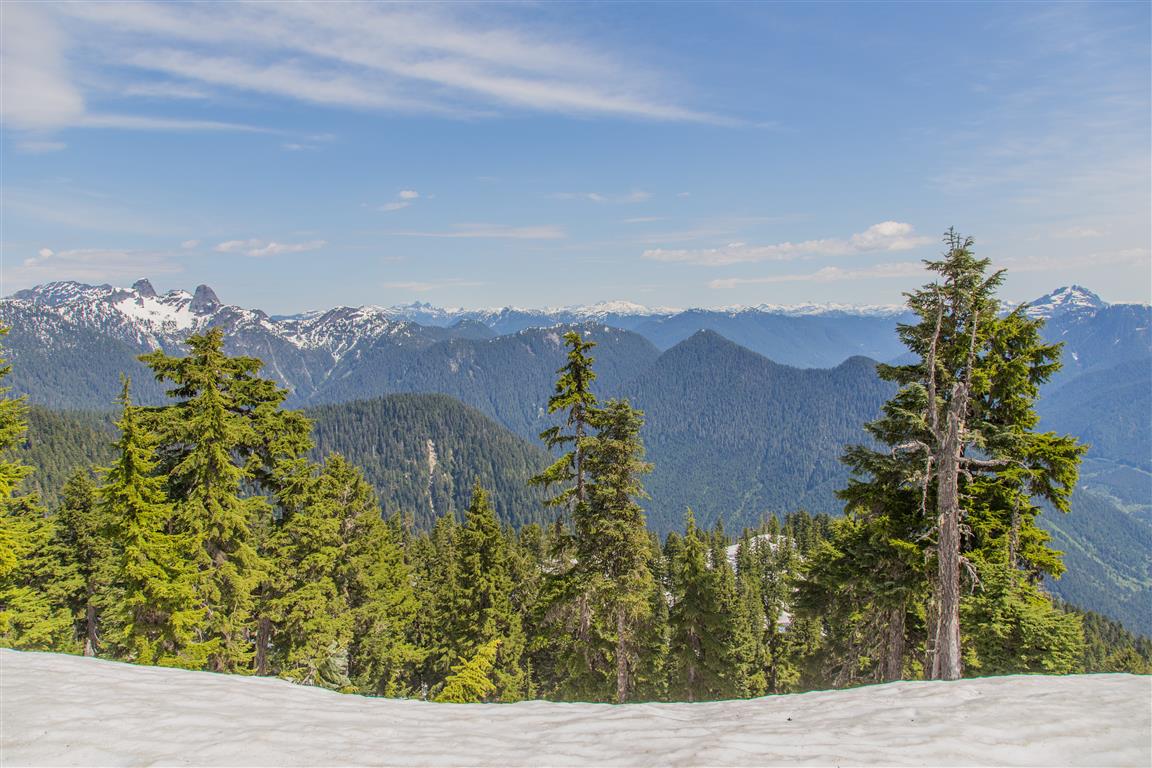
View from West Bluff
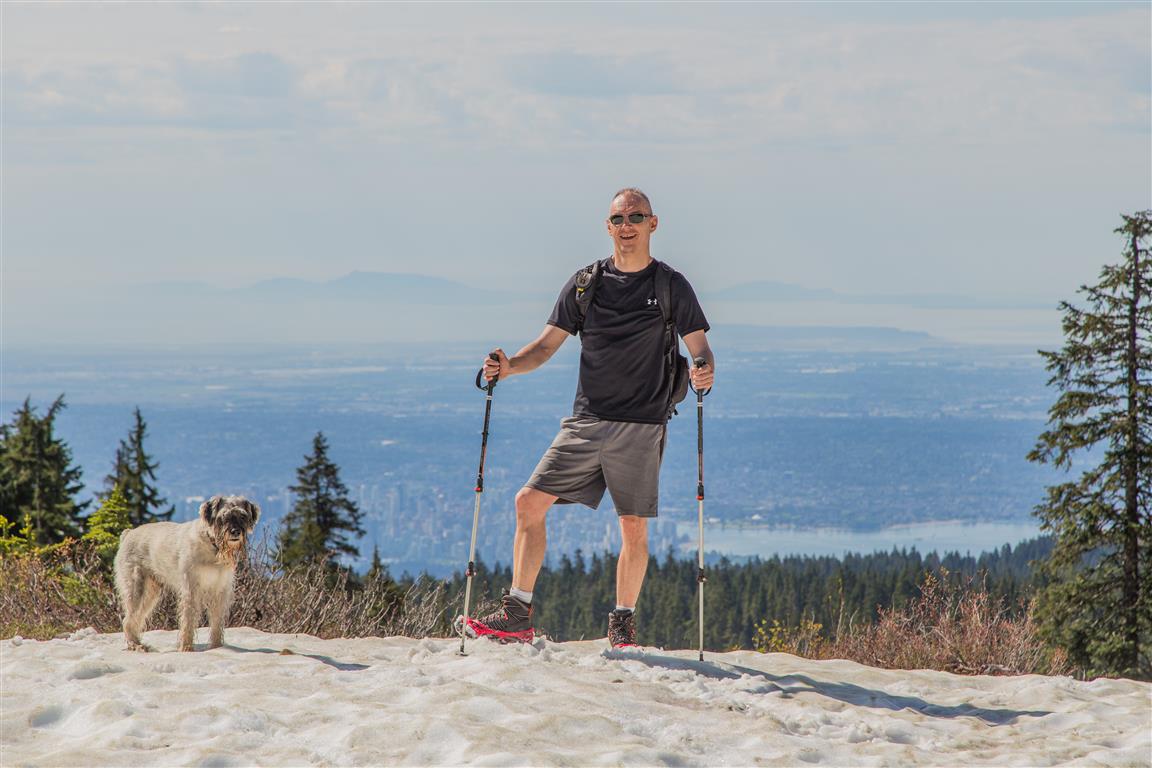
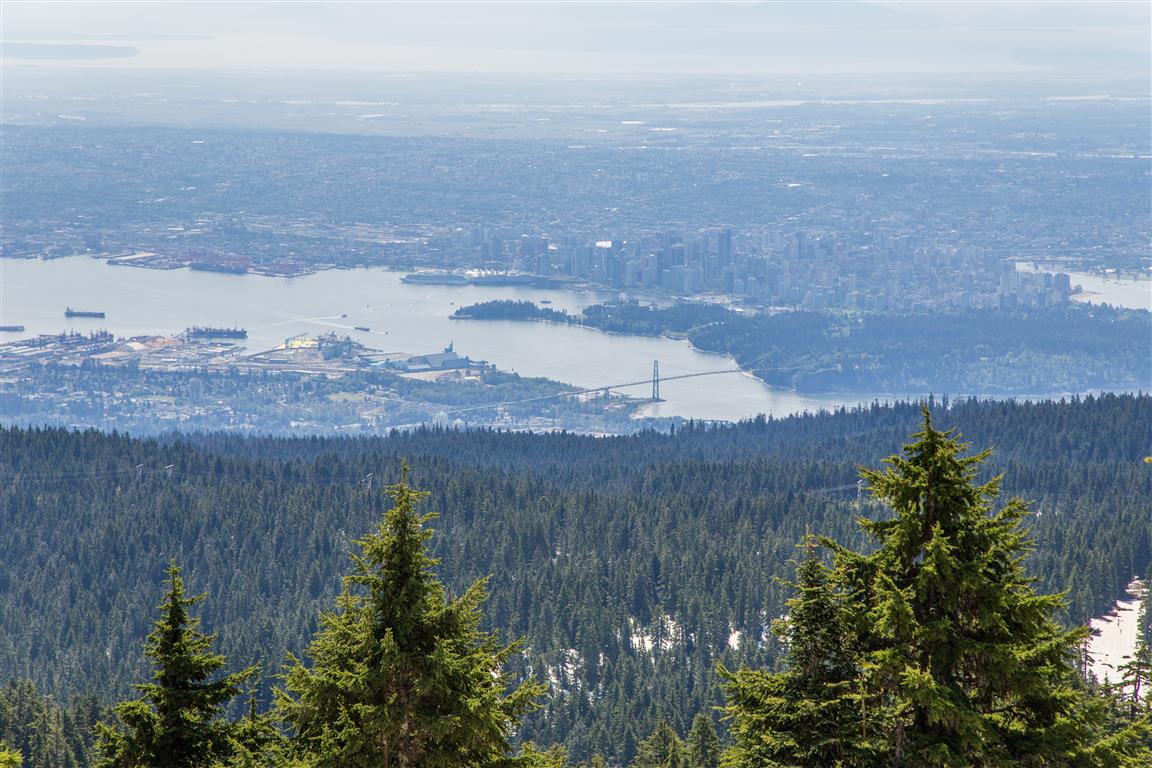
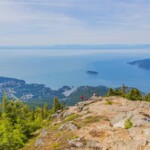
View of Vancouver Harbour from East Bluff
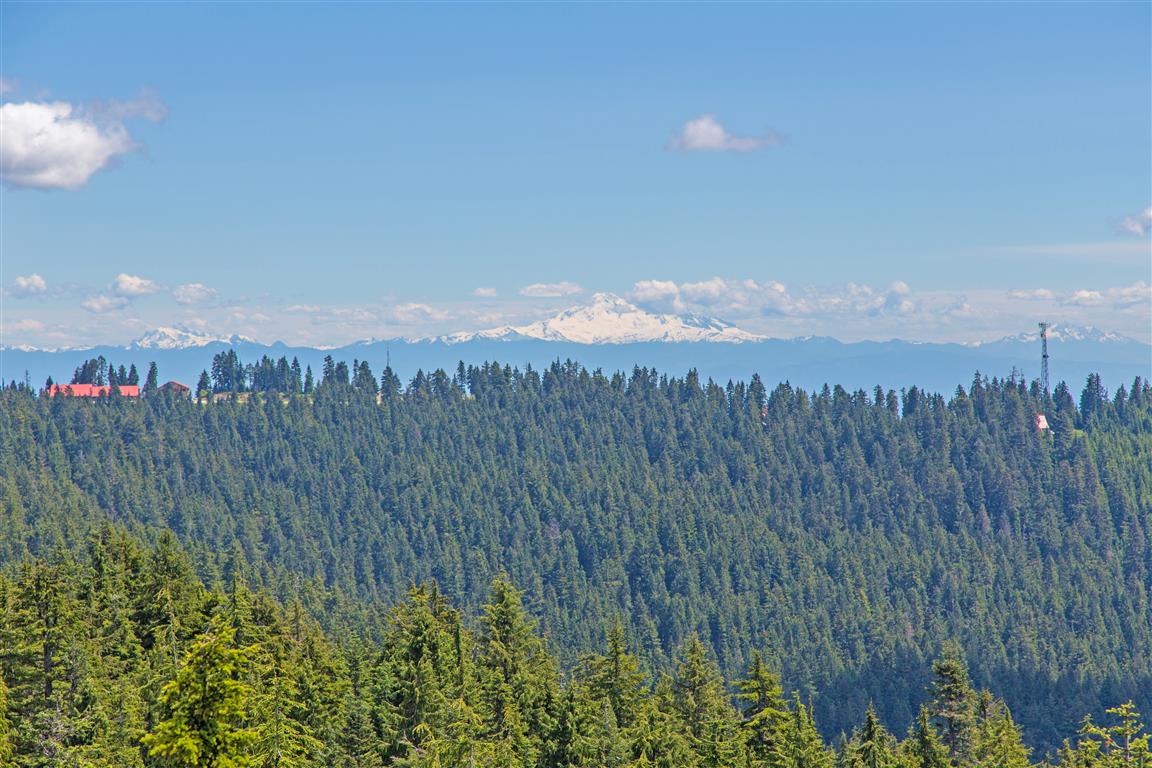
View of Mount Baker from Dog Mountain
Rope on trail
Rope on trail
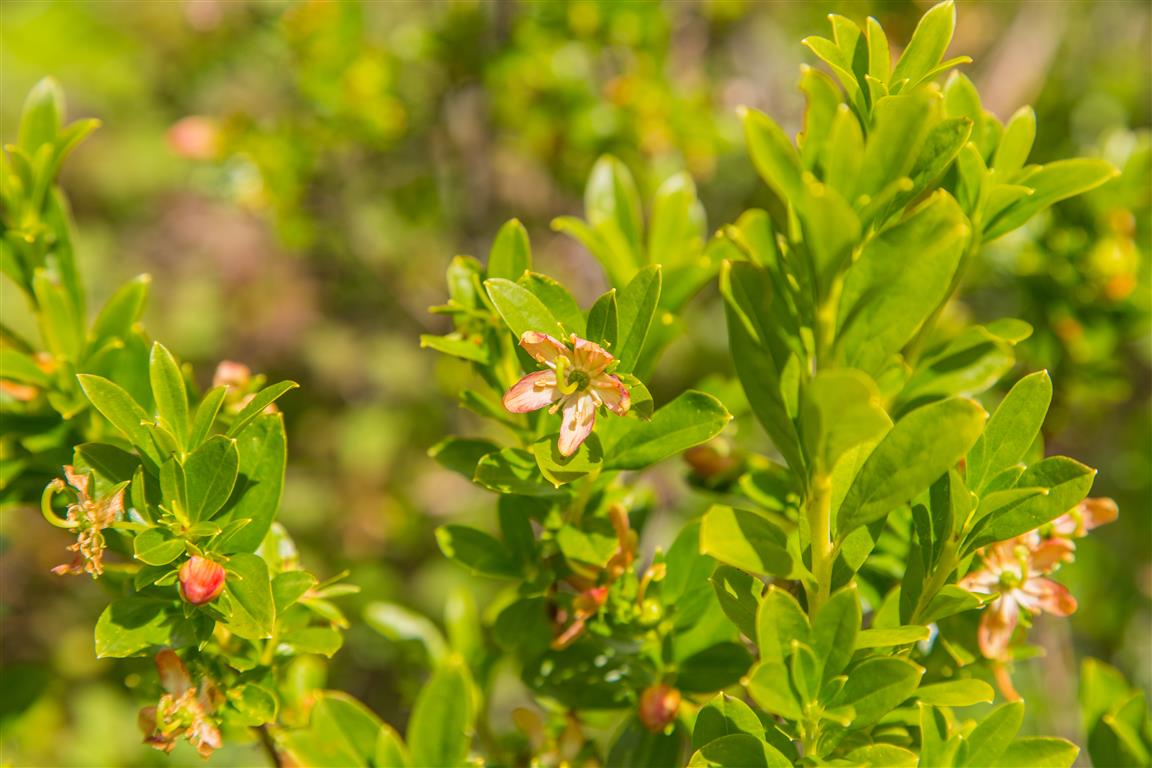
Blooming
Blooming
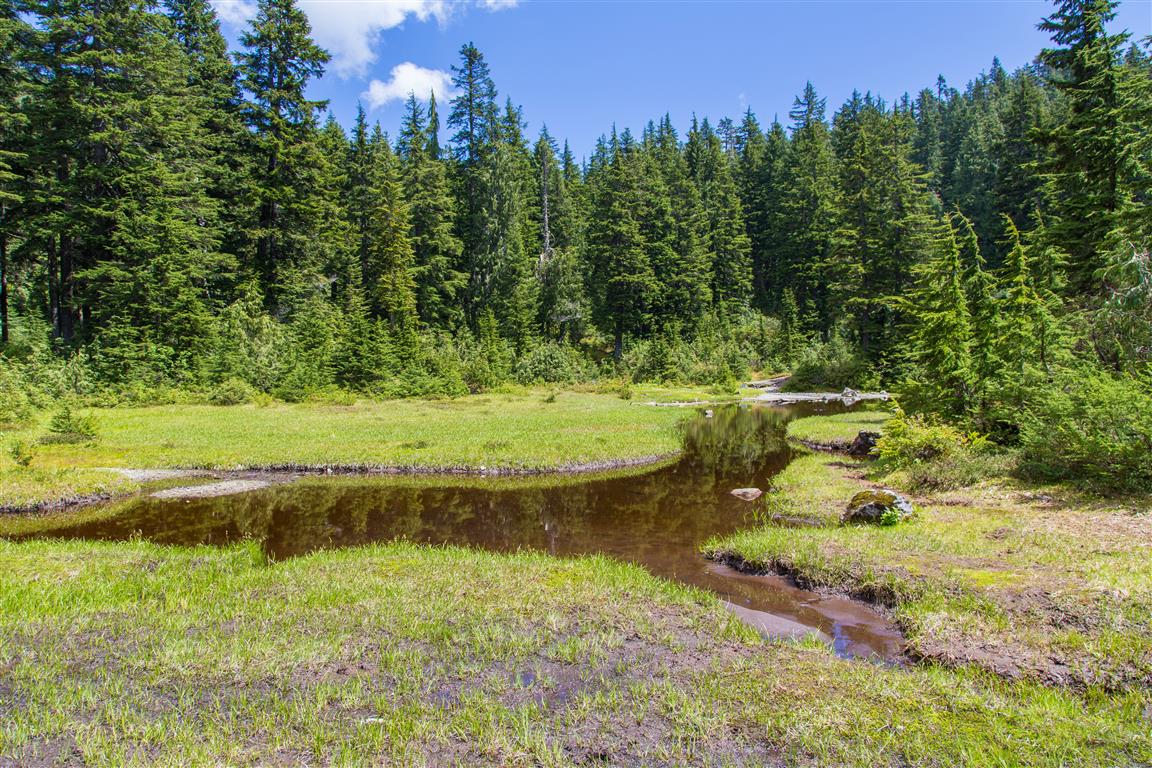
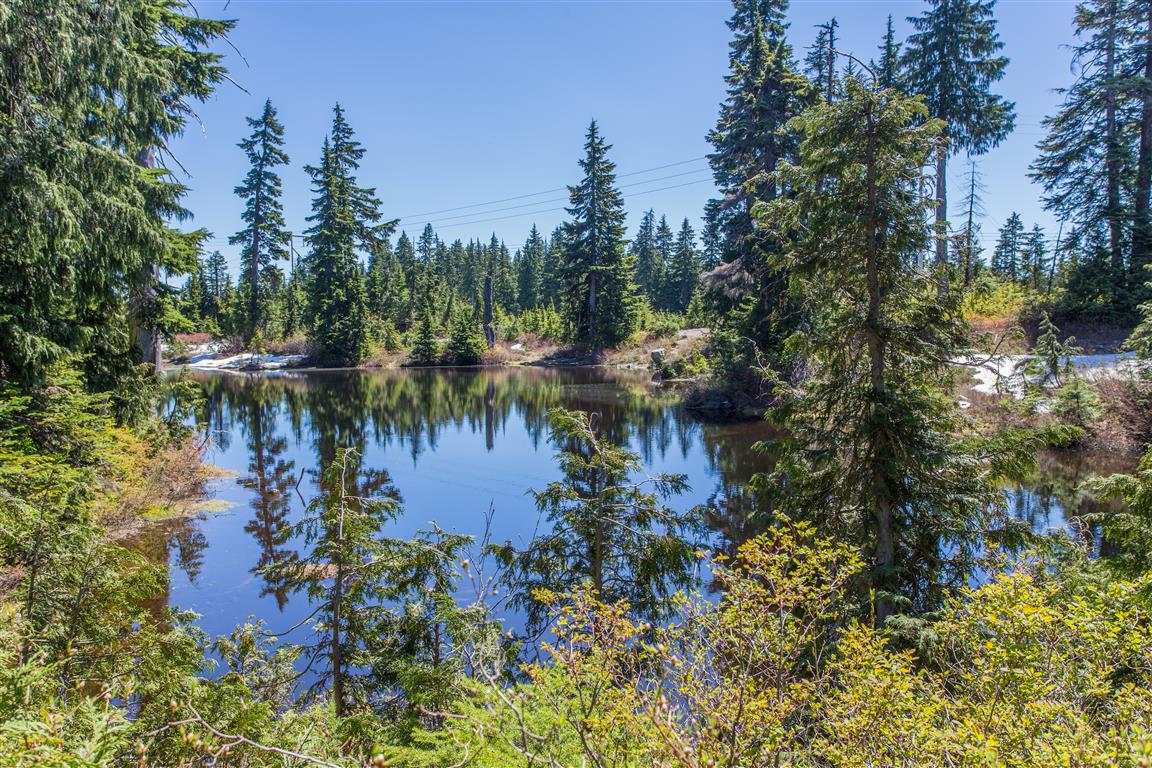
First lake on Dog Mountain trail
Some snow on trail
Some snow on trail
Tim Jones Memorial
Tim Jones Memorial
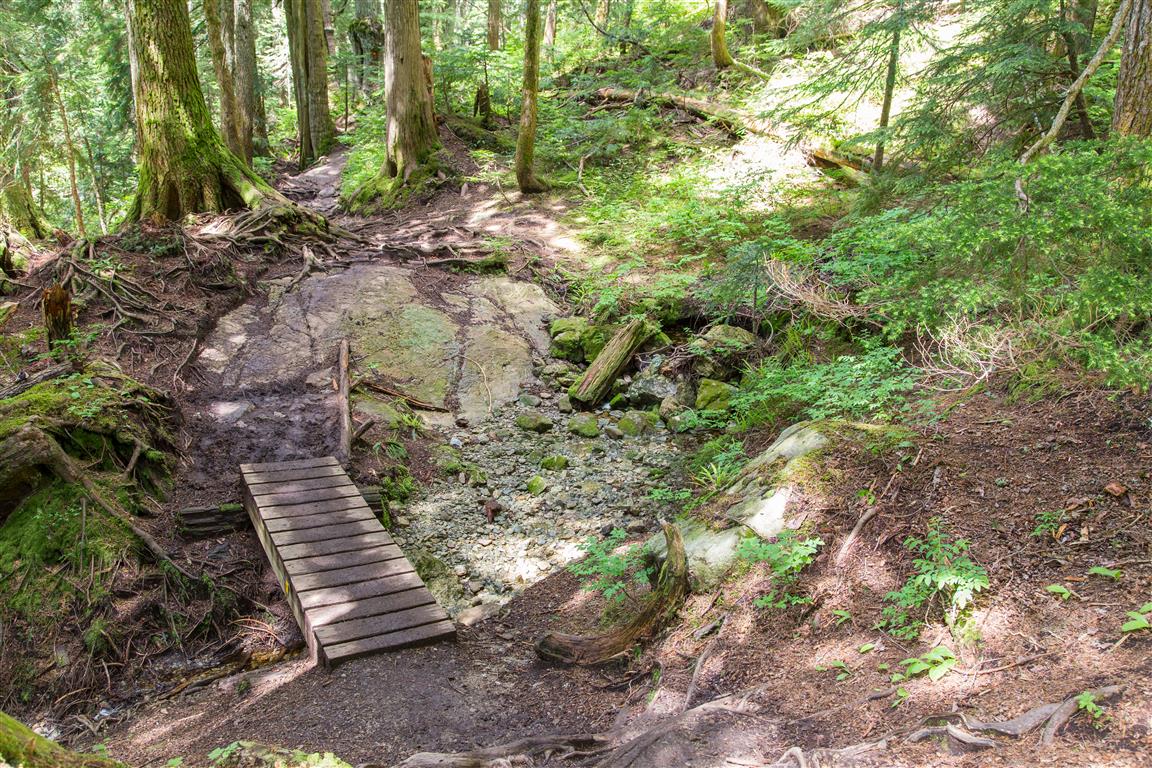
Little bridge
Little bridge
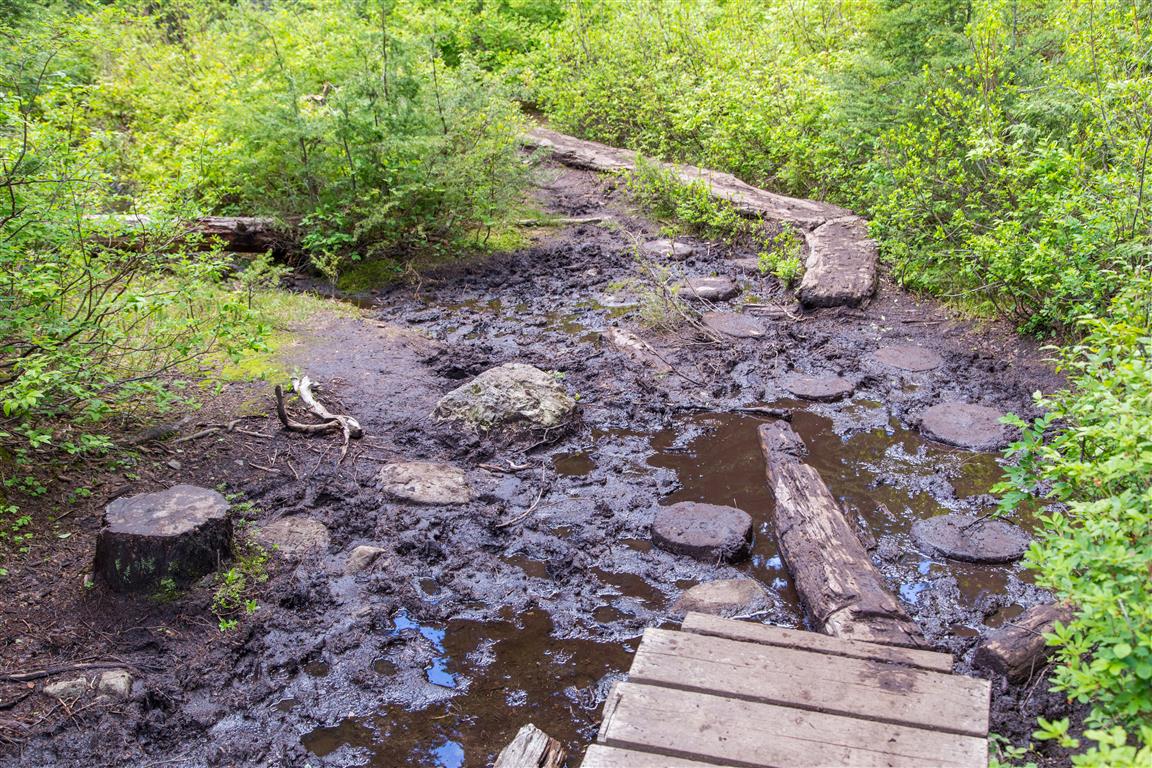
Muddy trail
Muddy trail
Conditions on this trail can change over time — trailheads move, access rules shift, and businesses close. This post reflects what I found when I did the hike.

Before You Hike

Before heading out on your hike, make sure you are well prepared. This means having the TEN ESSENTIALS. It is also important to leave a trip plan (route details and estimated return time) with someone you trust.

Bring your smartphone, fully charged, and put it in airplane mode while hiking. I always bring backup battery packs for extra peace of mind. It is highly recommended that you bring a GPS device. I use my smartphone with a GPS app (Backcountry Navigator). The GPS will work in airplane mode. Learn how to use it before your hike.

For anyone new to hiking, there is a rule that hikers follow called “Leave No Trace” or LNT. The concept is generally to pack out what you pack in and respect nature, so all future visitors can enjoy what you have enjoyed. To learn more about LNT, please check out this blog by a certified LNT Trainer.

Eagle Bluffs Trail

This post is for the Eagle Bluffs hike in Cypress Provincial Park in West Vancouver. For the Eagle Bluff viewpoint at Buntzen Lake, please go here.

📍 Get Driving Directions ↗
Eagle Bluffs: Trail Conditions & Weather
Check current park advisories, road access, and weather before heading out.

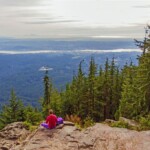
This is a very popular hike. Luckily, I did it on a weekday. On summer weekends, this place can be very busy. After seeing the photos below, you’ll see why! The hike starts at the Cypress Mountain Lodge and follows the Black Mountain Trail for the first bit (so follow signage for Black Mountain). You can add Black Mountain to your trip, but from what I hear, it’s not worth it. But do stop at Cabin Lake — it is a very serene little lake. After Cabin Lake, continue on up the Baden-Powell Trail. For some variety, you can choose to go to Donut Rock, which is shown on the map below — it offers decent, but slightly obstructed views. A little while after the Donut Rock side trail, you will make your descent towards Eagle Bluffs. Eagle Bluffs is a large rock area, with plenty of spots to sit and take in the amazing scenery. On your way back, there is an alternate loop around a couple of lakes, which offer pleasant views. After the lakes loop, continue on the path you came up on and back to the lodge.

Interesting Facts

  • The Baden-Powell Trail, which this hike follows for much of its length, is a 48 km trail stretching from Horseshoe Bay to Deep Cove. It was built in 1971 by Boy Scout and Girl Guide troops to mark the 100th anniversary of BC joining Confederation, and is named after Lord Baden-Powell, founder of the worldwide Scouting movement
  • Cypress Provincial Park has a contentious history. Public pressure forced the provincial government to set the area aside as a park reserve back in 1944, after logging had already damaged part of the land. It wasn’t formally granted Class A Provincial Park status until 1975, with the park’s boundaries expanded further north in 1982
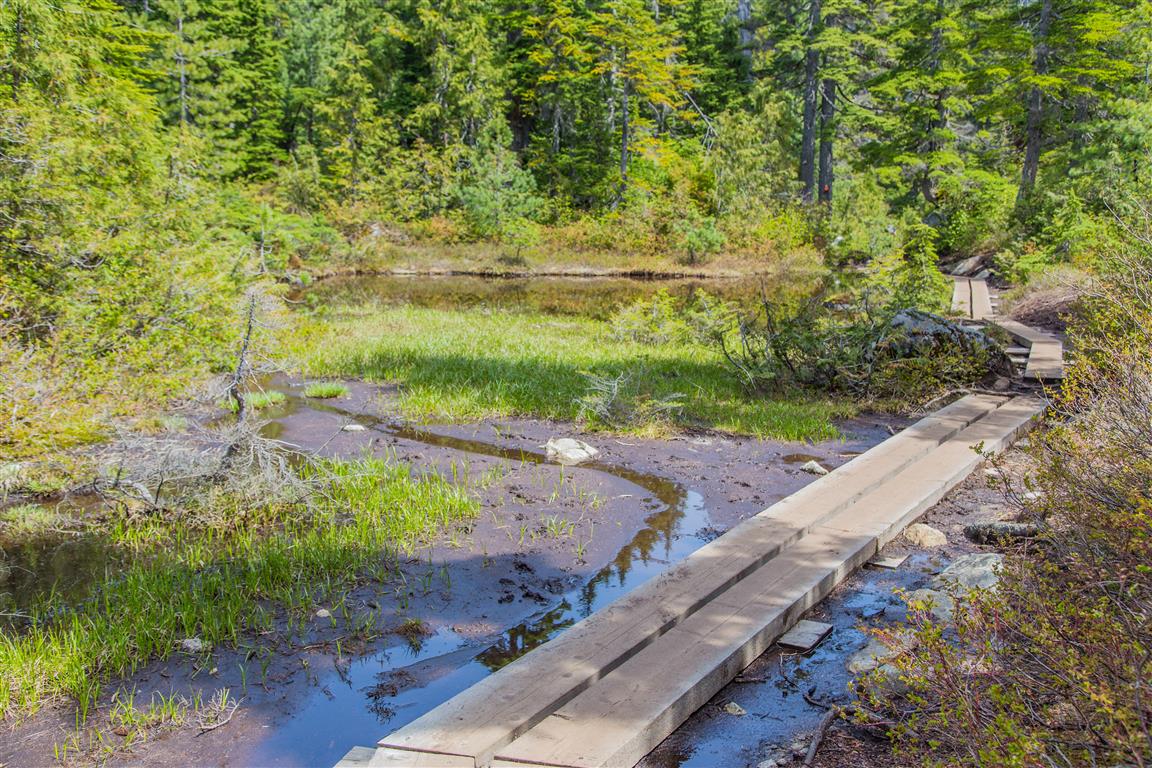
  • The wooden planks you’ll see along the small lake on this trail are “bog bridges,” installed by volunteers with the Friends of Cypress Provincial Park Society and North Shore Wetland Partners, along with runners from the Knee Knackering North Shore Trail Run, to stop foot traffic from damaging the fragile wetlands here
  • This trail sits right around the transition between the Coastal Western Hemlock (CWH) and Mountain Hemlock (MH) biogeoclimatic zones, which typically shifts around 900 to 1,000 m elevation on the North Shore mountains

Trail Stats

Here are the stats, not including Donut Rock:

  • Distance: 9.2 km (return)
  • Time: 4 hours
  • Low point: 912 m
  • High point: 1,213 m
  • Elevation gain: 301 m
  • Cumulative elevation gain: 450 m
  • Trailhead: 49° 23′ 50.5″ N, 123° 12′ 23″ W (Google Map)

The Route

The actual GPS track from this hike, drawn on the map below. Green marks the start/end point. Use the layer control in the top right to switch to a satellite view.

Photos
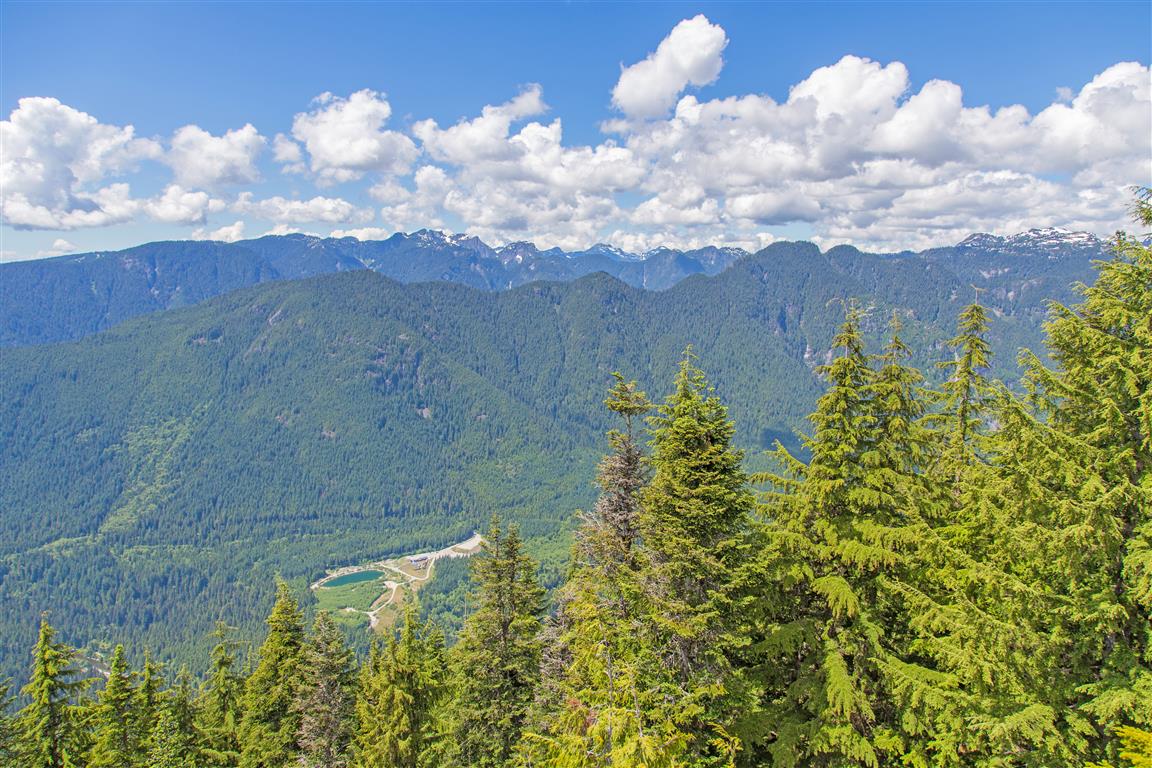
Photos from today (31 May 2016):

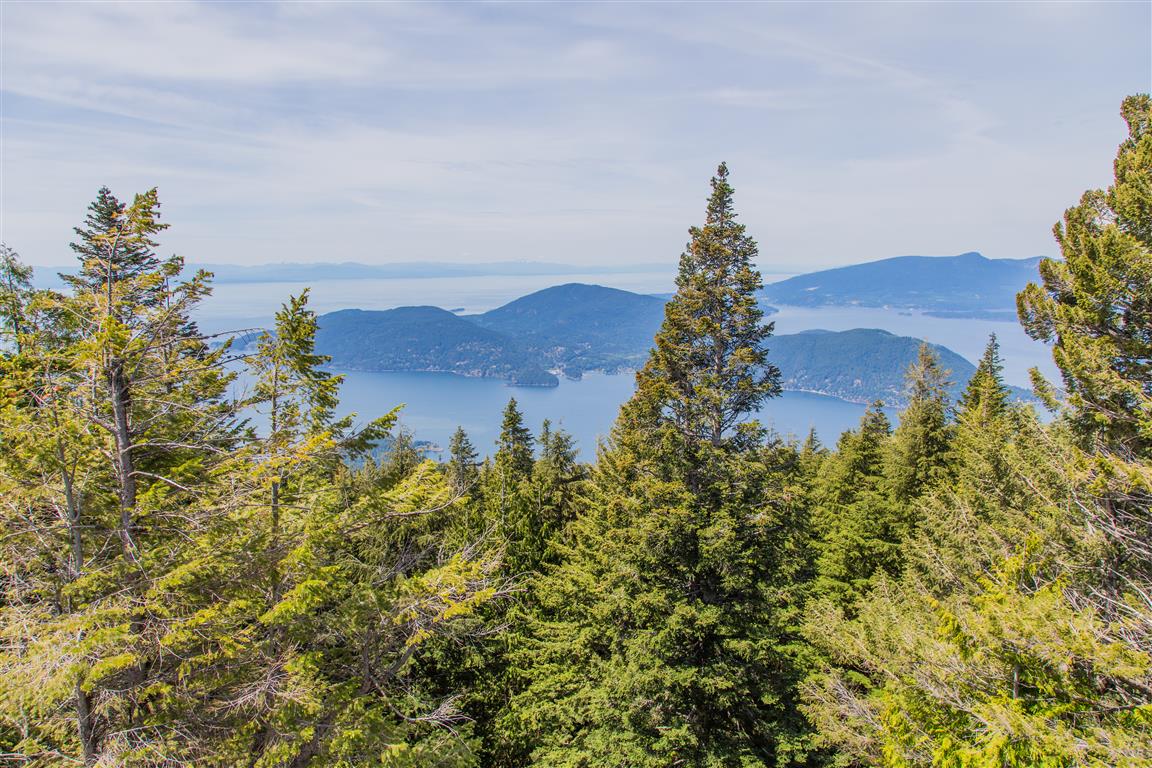
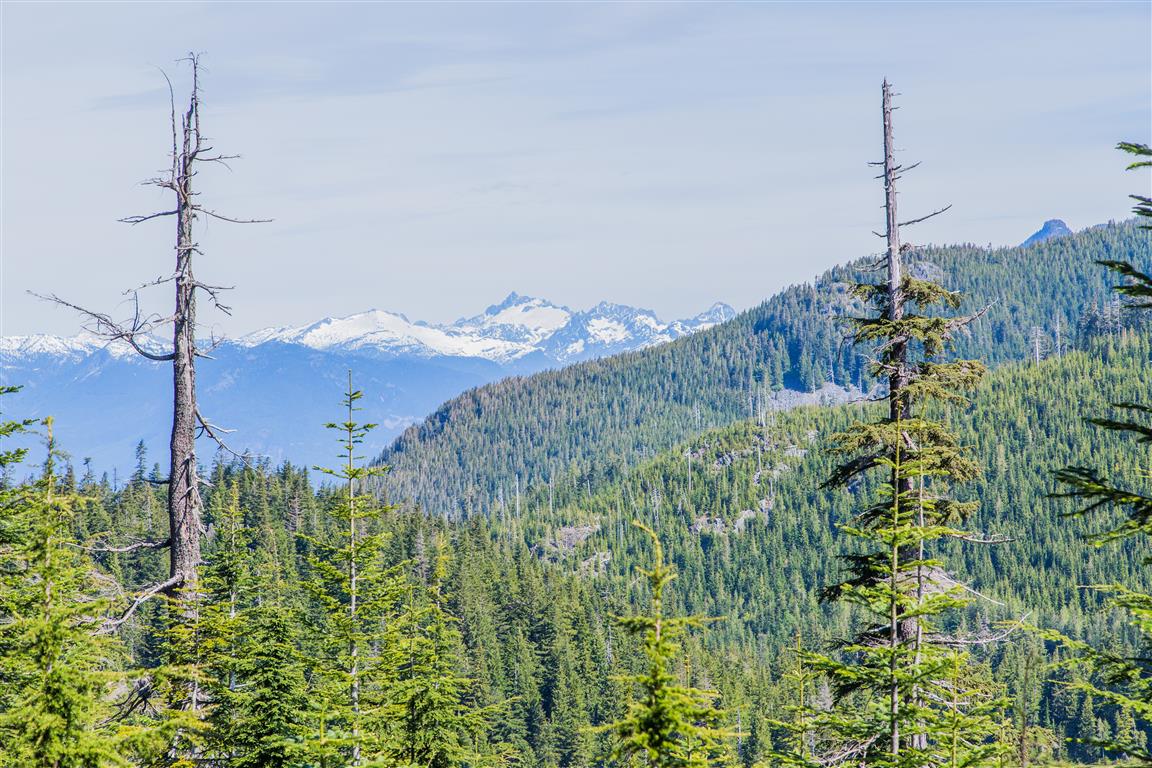
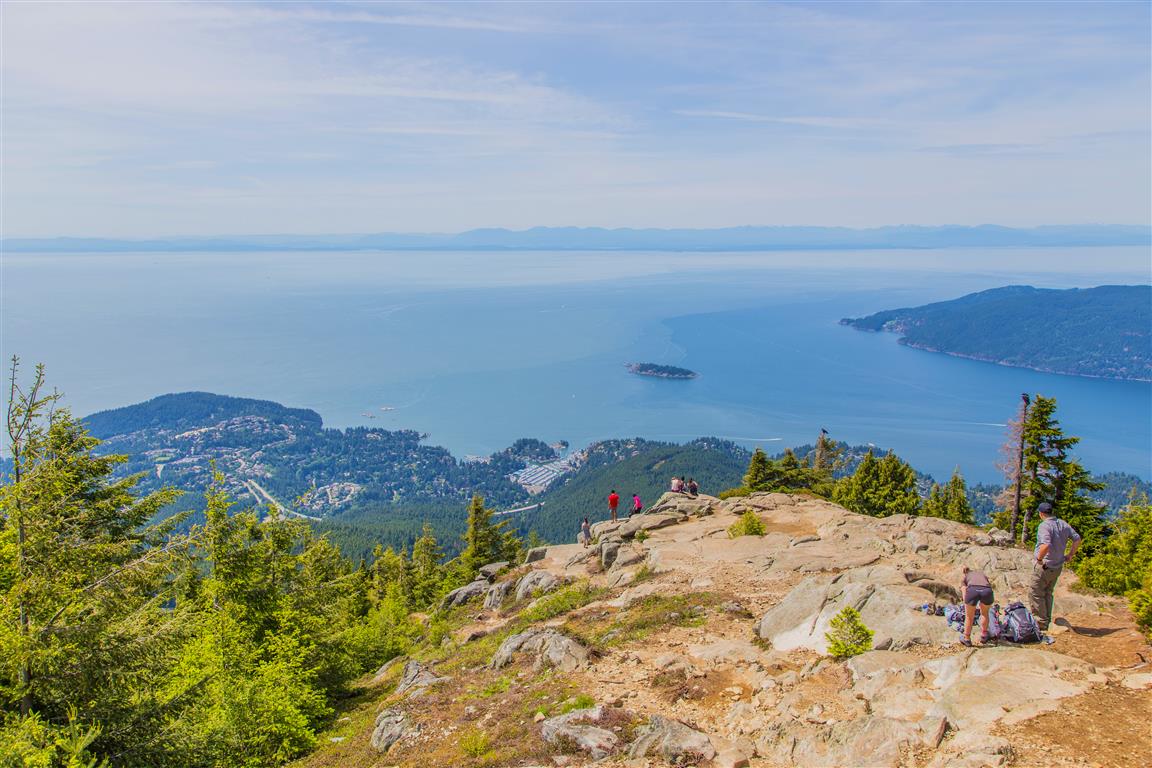
View from the Bluffs
Cabin Lake
Cabin Lake
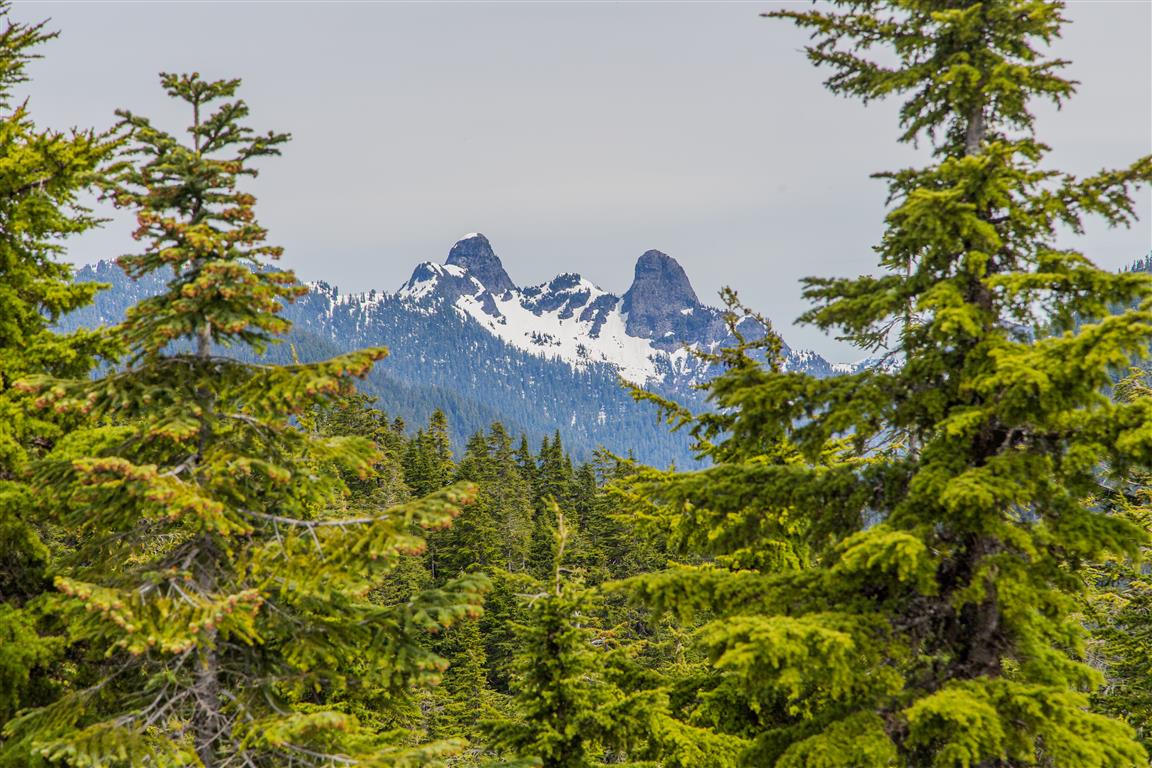
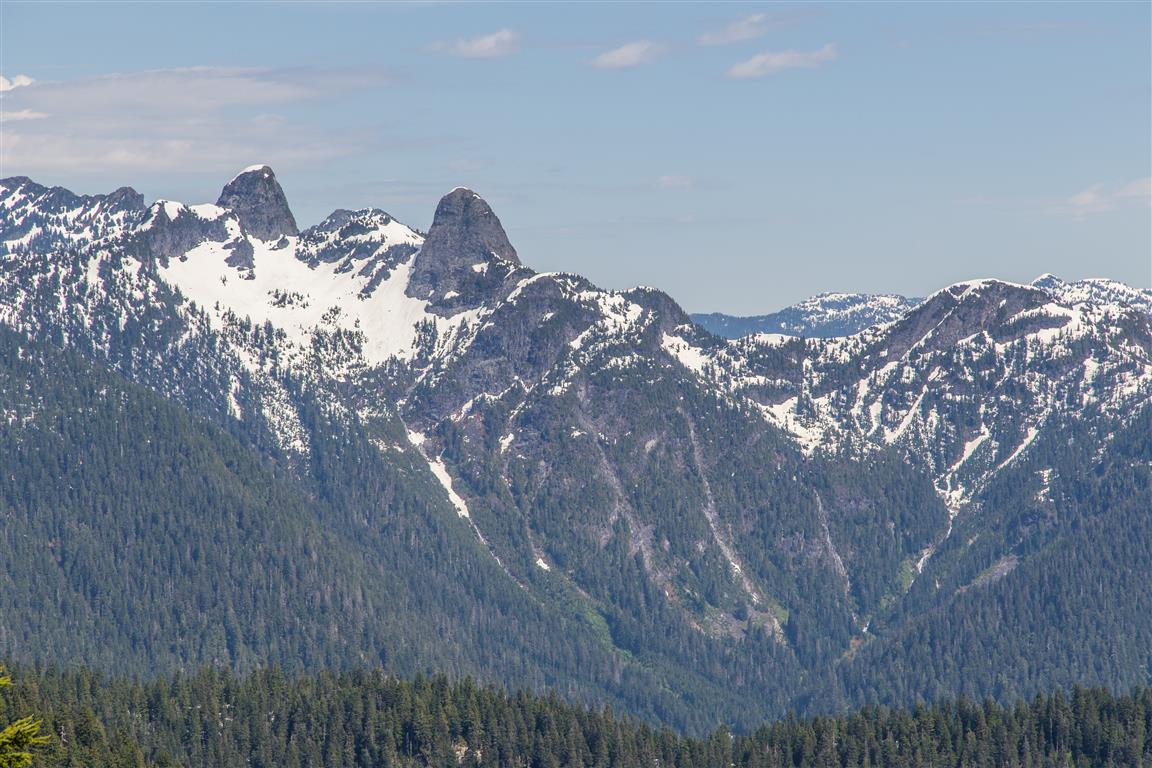
The Lions
The Lions
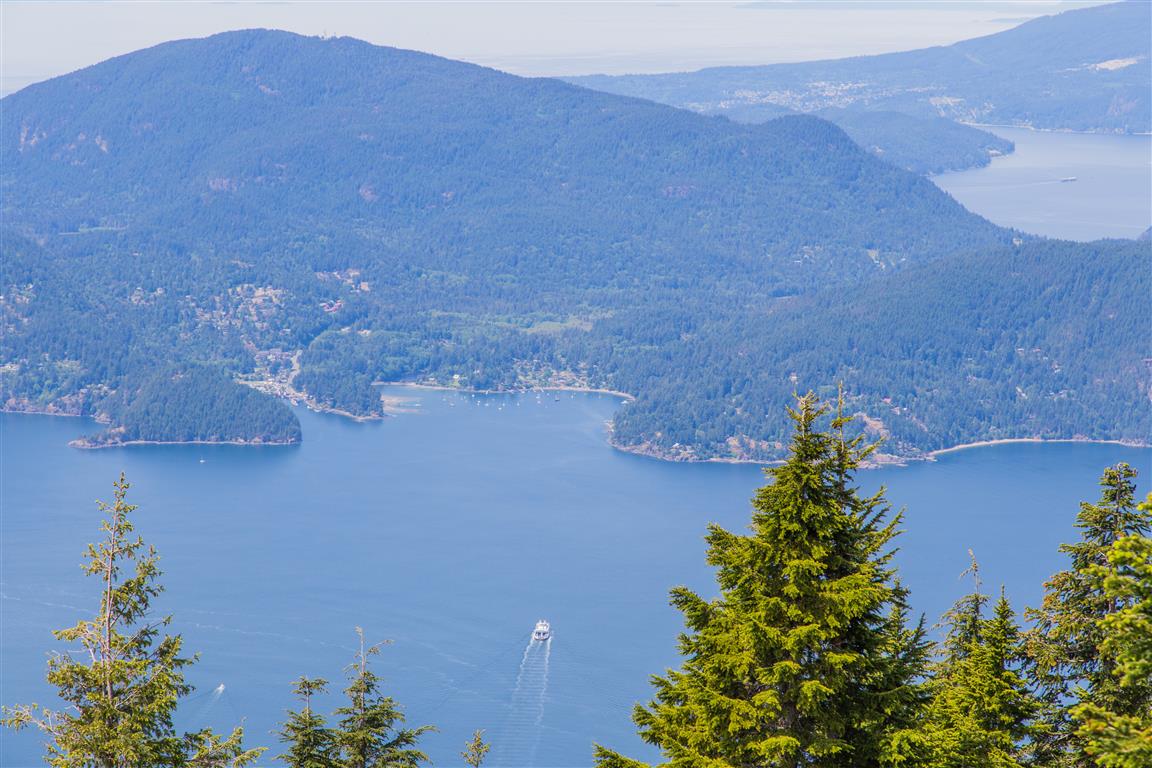
Ferry to Bowen Island

Here’s a video from the Bluffs:

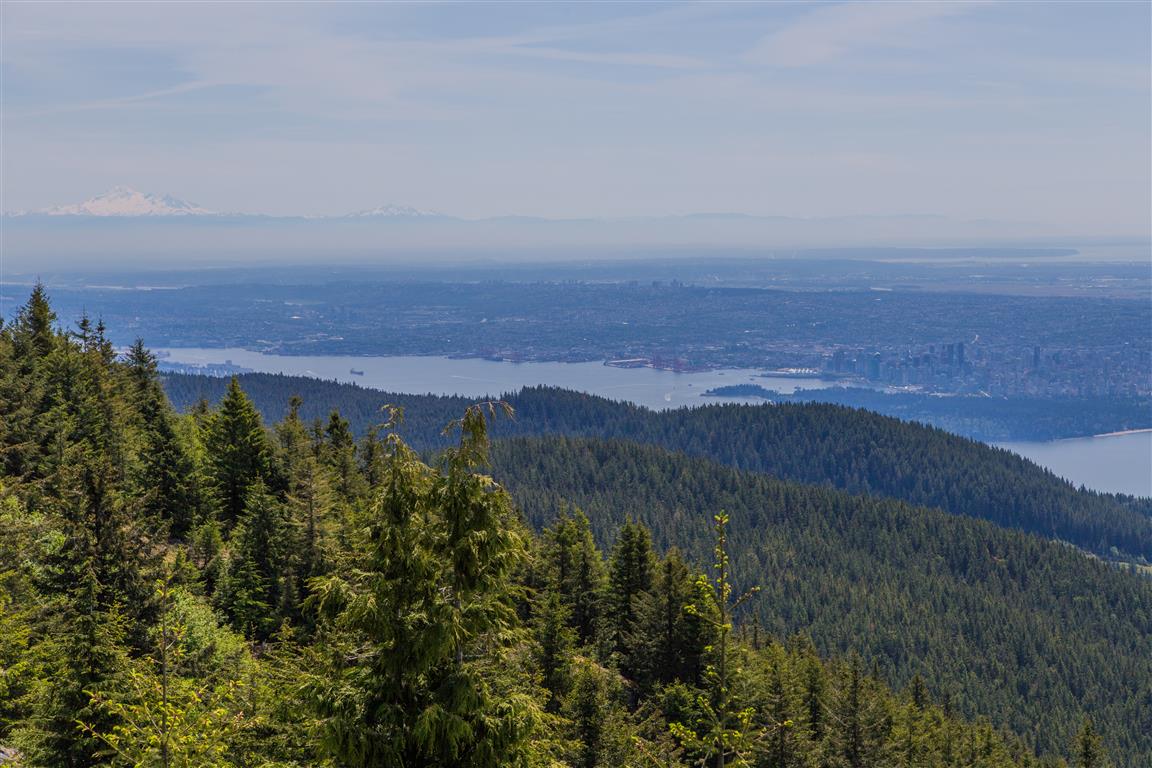
Mt. Baker and downtown Vancouver
Planks along small lake
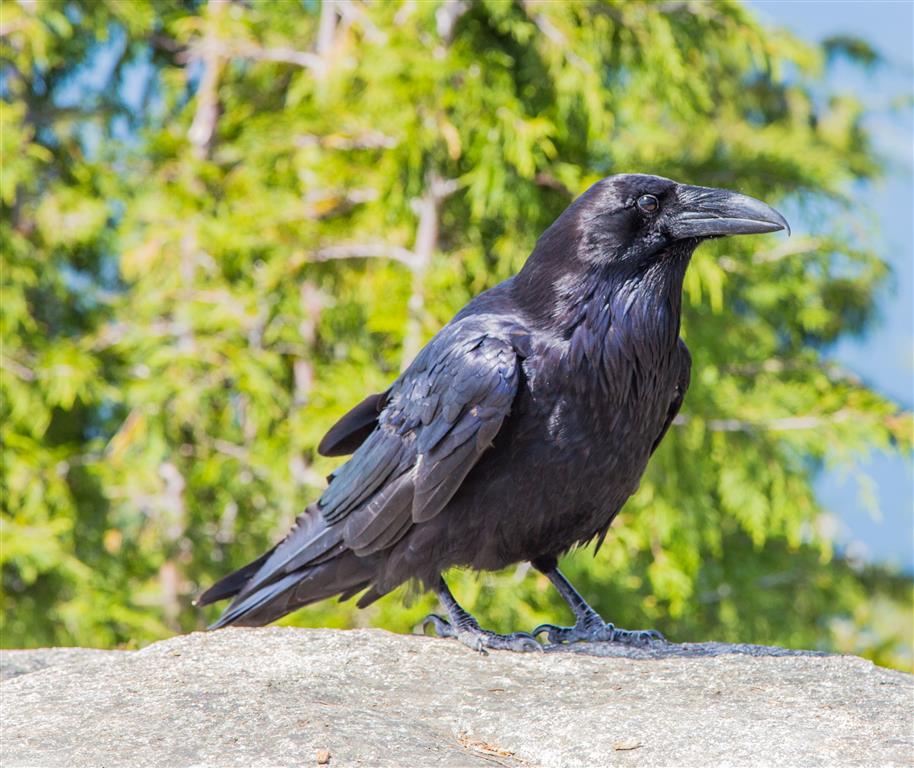
Raven
Raven
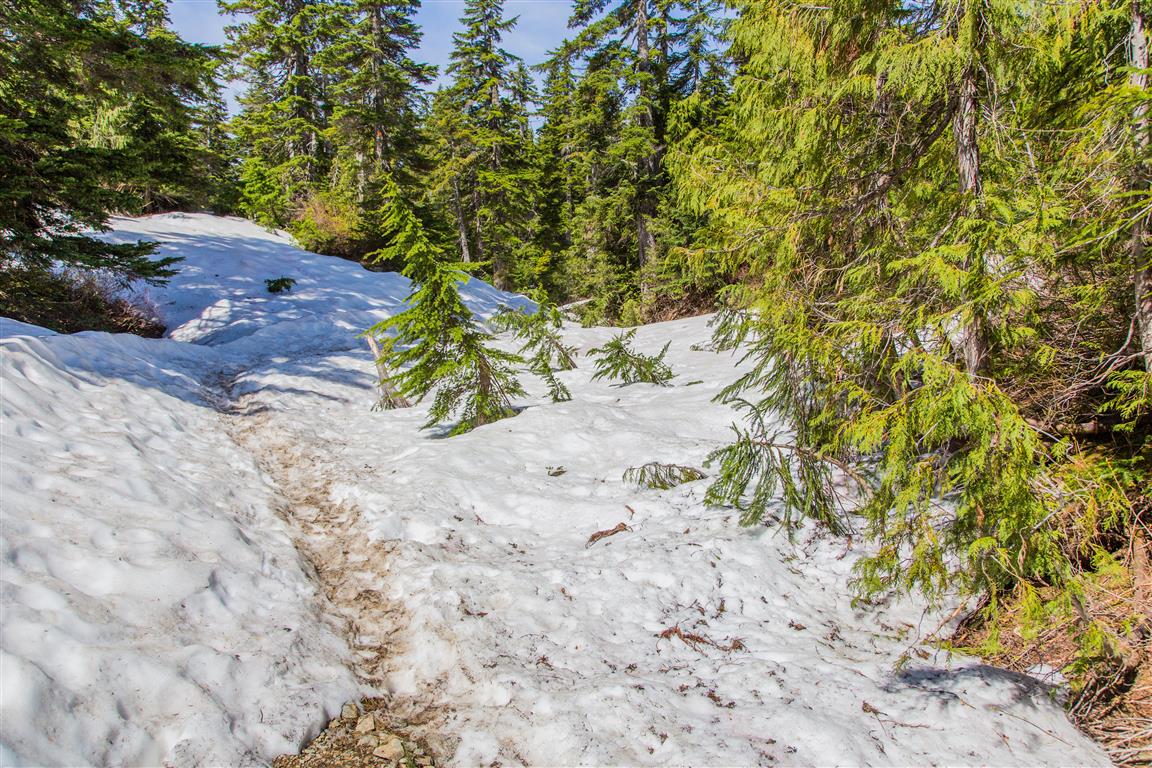
Snow on trail
Snow on trail
View from Donut Bluff
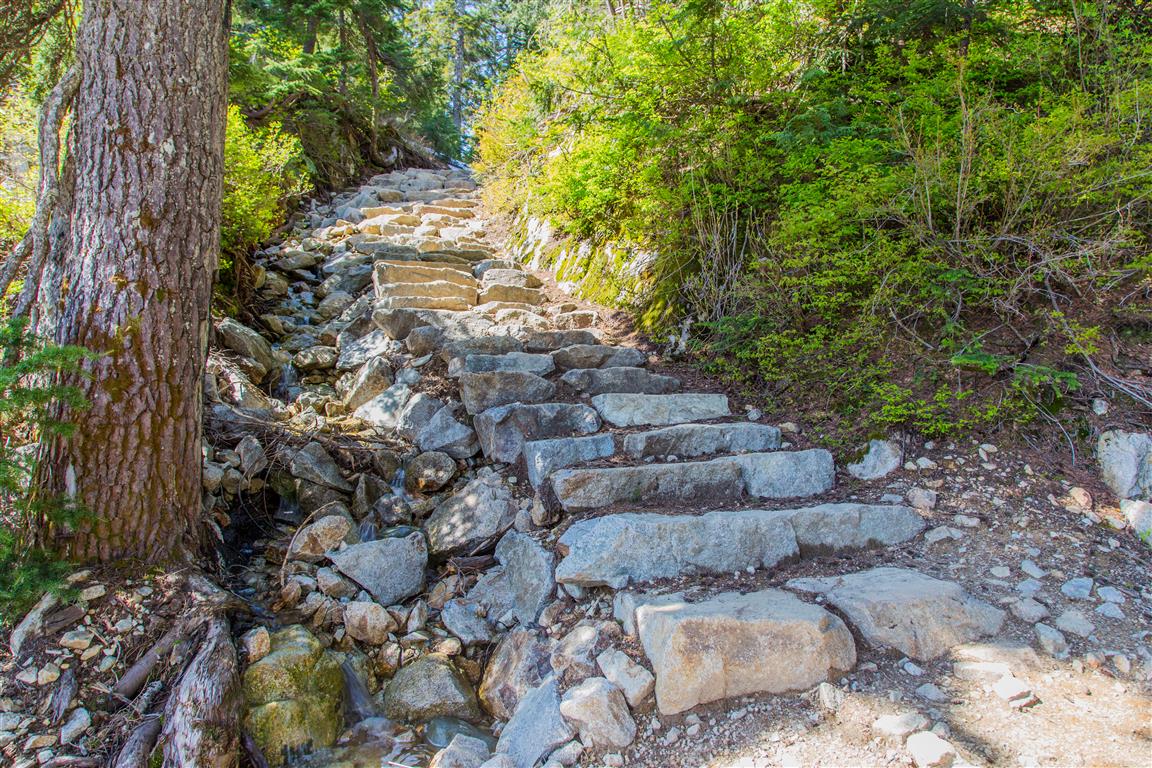
Nice steps
Nice steps
View looking back down from trail
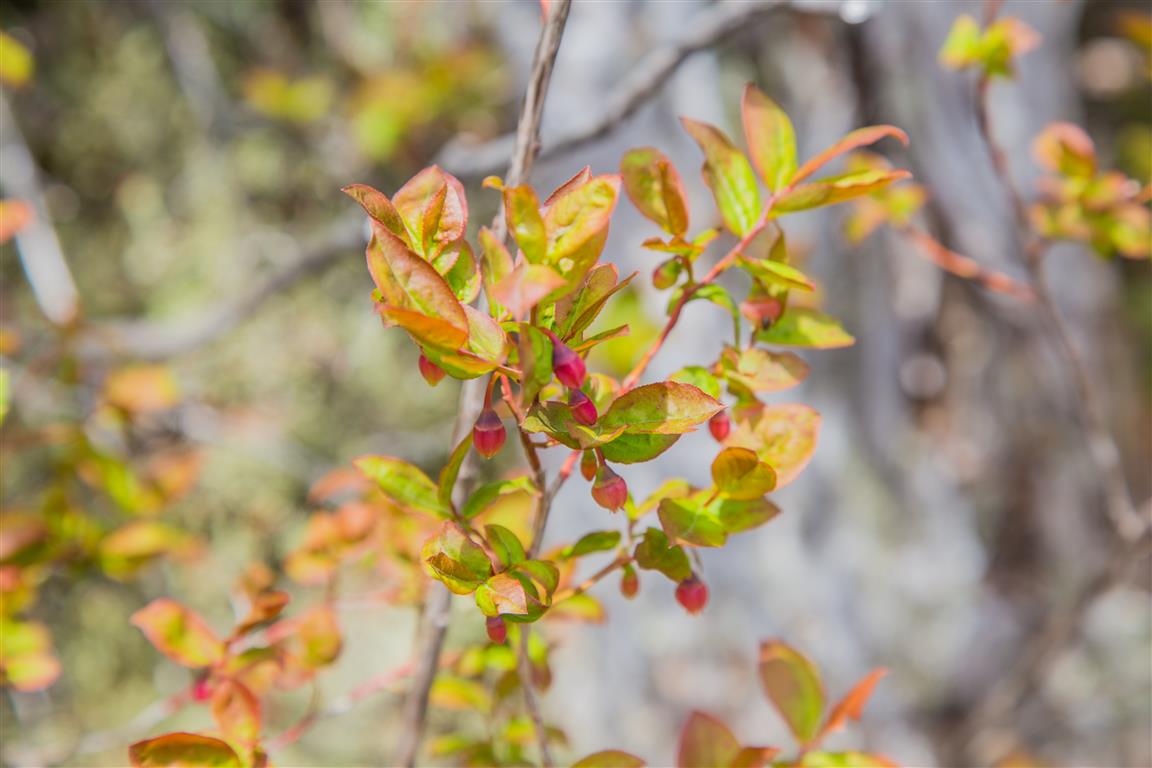
Blueberries in the early stage
Conditions on this trail can change over time — trailheads move, access rules shift, and businesses close. This post reflects what I found when I did the hike.

Before You Hike

Before heading out on your hike, make sure you are well prepared. This means having the TEN ESSENTIALS. It is also important to leave a trip plan (route details and estimated return time) with someone you trust.

Bring your smartphone, fully charged, and put it in airplane mode while hiking. I always bring backup battery packs for extra peace of mind. It is highly recommended that you bring a GPS device. I use my smartphone with a GPS app (Backcountry Navigator). The GPS will work in airplane mode. Learn how to use it before your hike.

For anyone new to hiking, there is a rule that hikers follow called “Leave No Trace” or LNT. The concept is generally to pack out what you pack in and respect nature, so all future visitors can enjoy what you have enjoyed. To learn more about LNT, please check out this blog by a certified LNT Trainer.

Hollyburn Mountain Trail

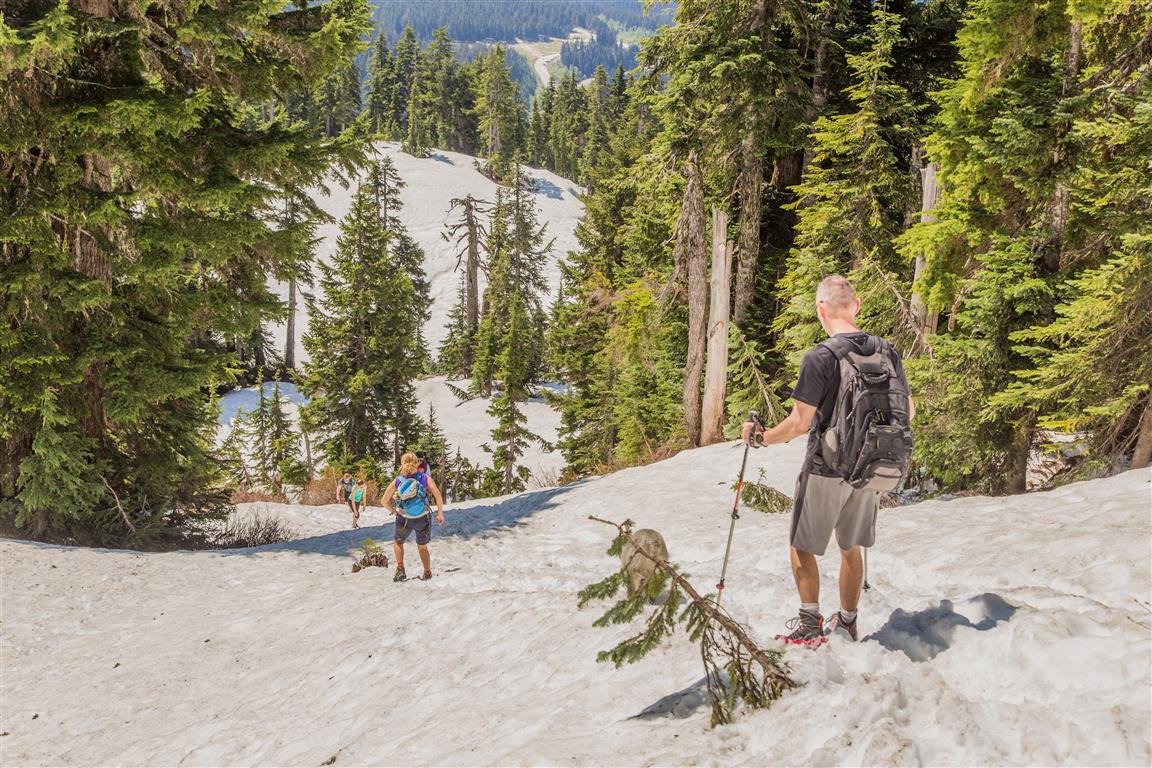
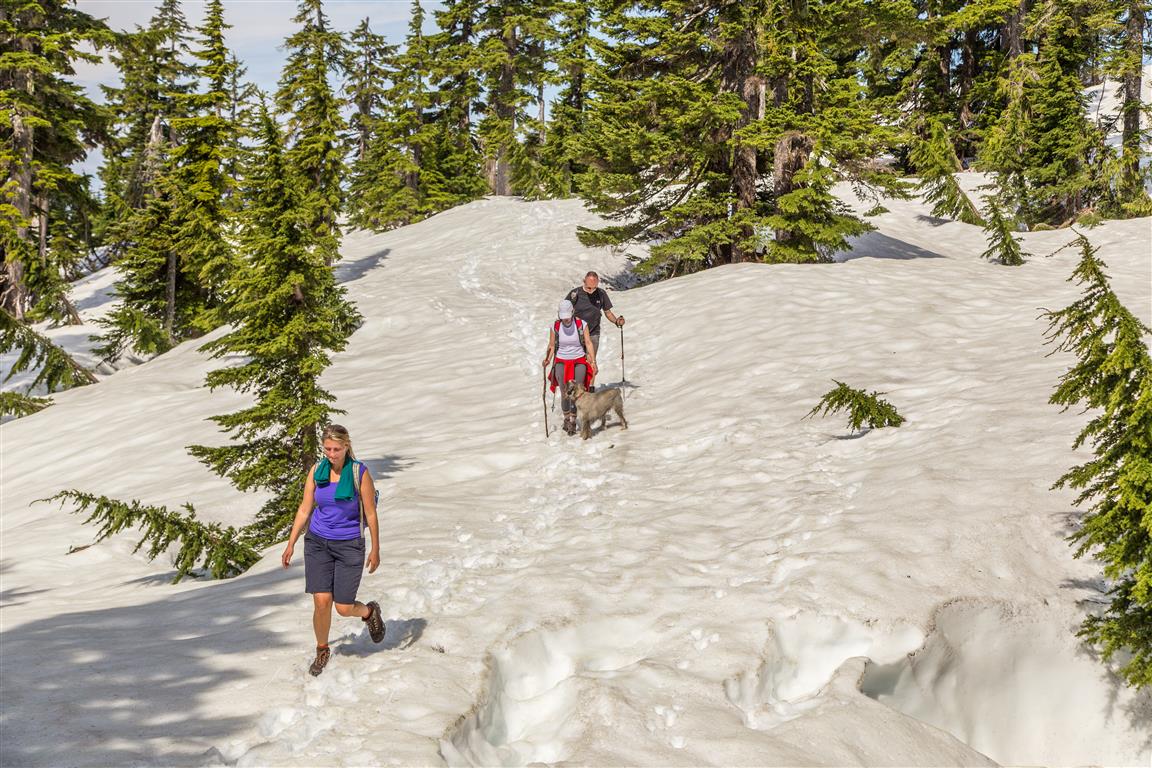
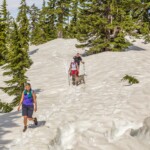
Hollyburn Mountain is located in Cypress Provincial Park, West Vancouver. When I went in May, there was still lots of snow up there (2 to 3 m in areas). I went up with spikes and poles, which helped immensely. Most people up there didn’t have either and were slipping and sliding. On your ascent, make sure to look back once in a while to see the beautiful views of Vancouver. At the summit, there are more amazing views of Vancouver, Mt. Strachan, The Lions, and more mountains to the north. Note that, due to the snow, there is a winter route and a summer route — the winter route is pretty much straight up, while the summer route does some meandering through the forest. For this hike, you should park in the Cypress Mountain Nordic area (see coordinates and link below).

Hollyburn Mountain: Trail Conditions & Weather
Check current park advisories, road access, and weather before heading out.
📍 Get Driving Directions ↗

Interesting Facts

  • The name “Hollyburn” was coined around 1906 by the daughters of John Lawson (one of West Vancouver’s founders), who combined “Holly” with “burn,” a Scottish word for a stream, to name the family home. The name later spread to the surrounding community and, eventually, to the ridge and mountain above it
  • Before that, the mountain had gone by other names, including Mount Vaughen and, at various points, Black Mountain and Cypress Mountain, after logger “Sue” Moody’s crews
  • Hollyburn Ridge has a long skiing history. The Vancouver Ski Club was formed here in 1930, and decades before the Lions Gate Bridge existed, skiers would take a boat from downtown Vancouver across the inlet and hike up to ski the ridge
  • Despite the ski resort’s name, there’s actually no mountain officially called “Cypress Mountain” in the park. The name comes from the yellow cypress (yellow cedar) trees common above 800 m elevation here, and from “Cypress Bowl,” the basin formed between Hollyburn, Black Mountain, and Mt. Strachan
  • This trail sits right around the transition between the Coastal Western Hemlock (CWH) and Mountain Hemlock (MH) biogeoclimatic zones, which typically shifts around 900 to 1,000 m elevation on the North Shore mountains

Trail Stats

  • Distance: 7 km (return)
  • Time: 3.5 hours
  • Low point: 914 m
  • High point: 1,323 m
  • Elevation gain: 409 m
  • Trailhead: 49° 22′ 46.5″ N, 123° 11′ 28.5″ W (Google Maps and navigation)

The Route

The actual GPS track from this hike, drawn on the map below. Green marks the start/end point. Use the layer control in the top right to switch to a satellite view.

Photos
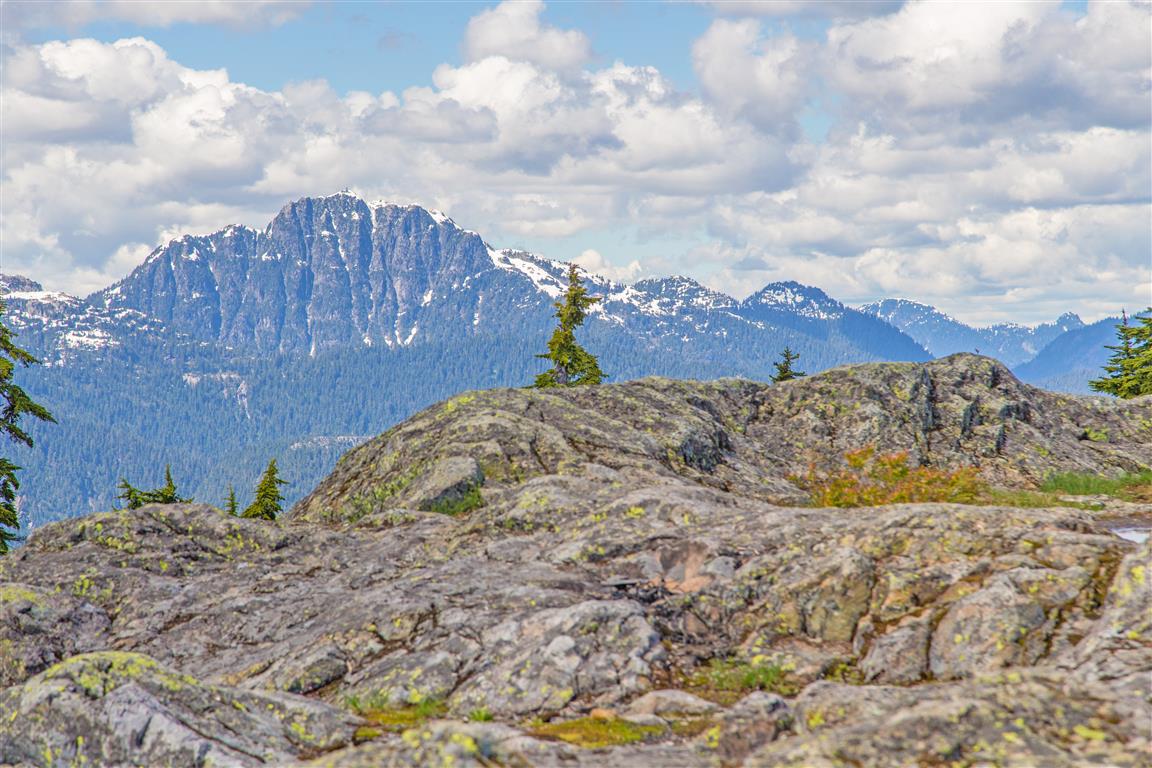
Nice spot for a photo
The Lions
The Lions
Coming down
Coming down
Walking in the snow
Walking in the snow
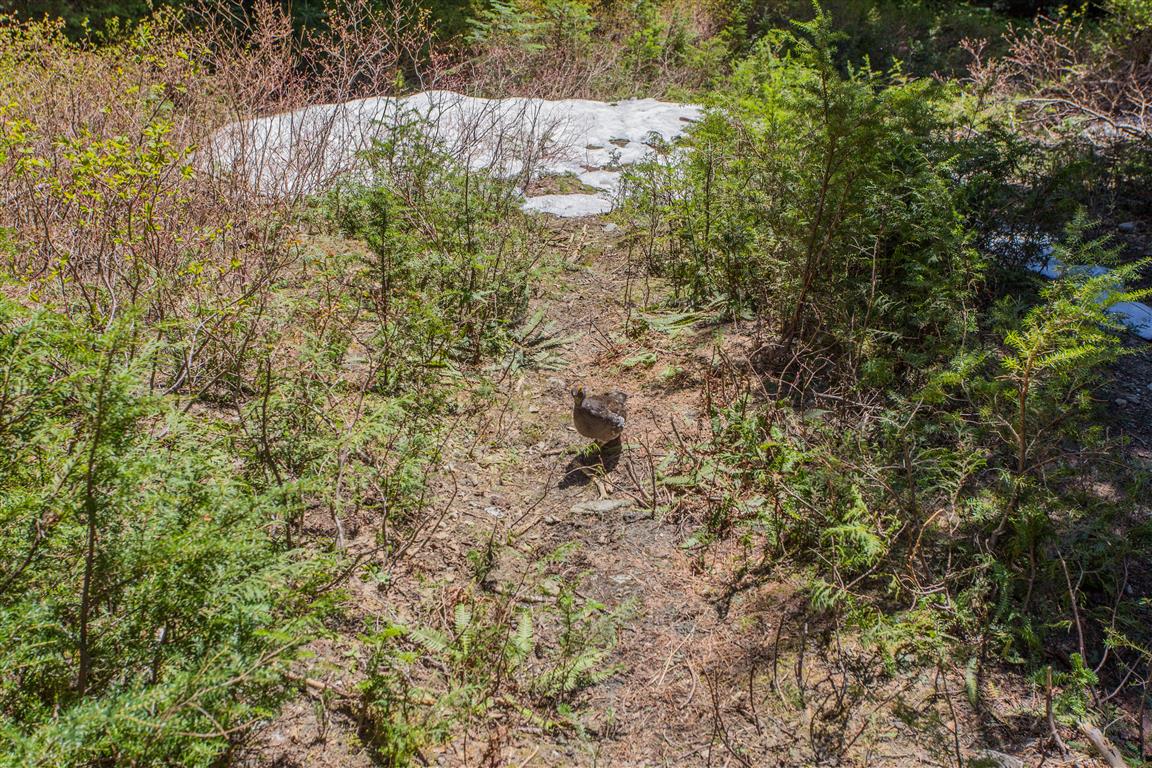
Grouse on trail
Grouse on trail
Little Lake
Little Lake
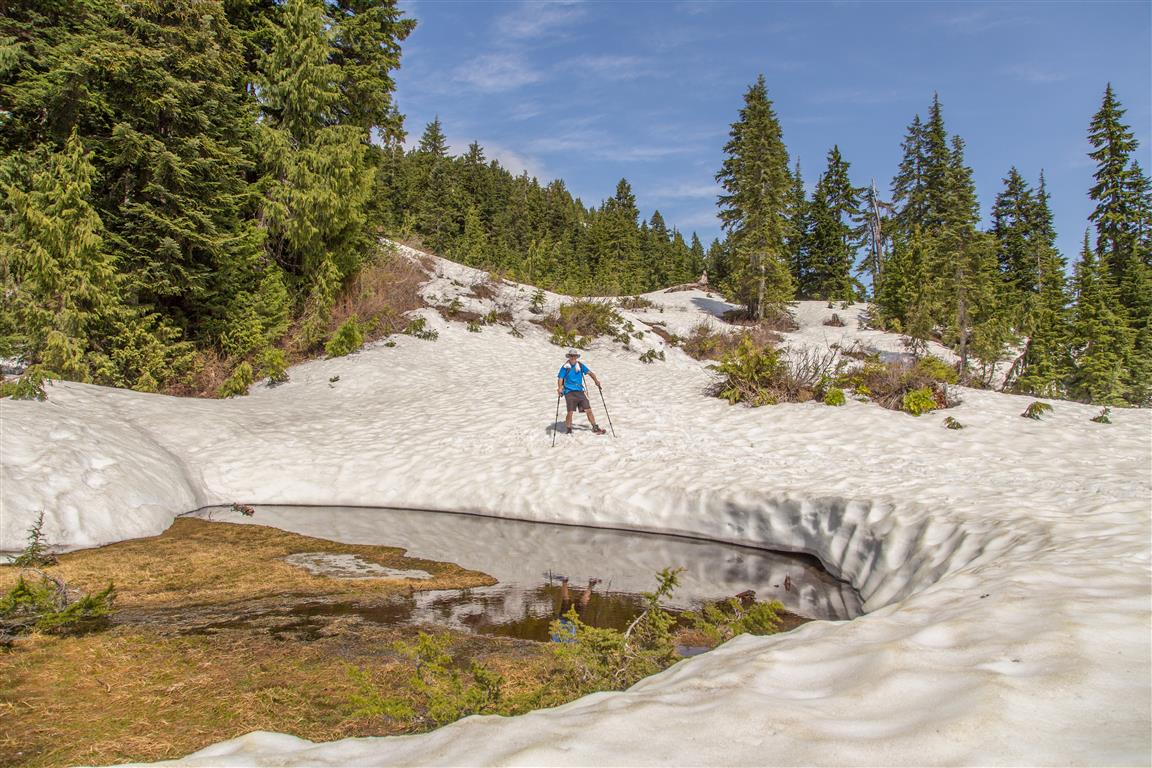
Me by the small pond
Start of trail
Start of trail
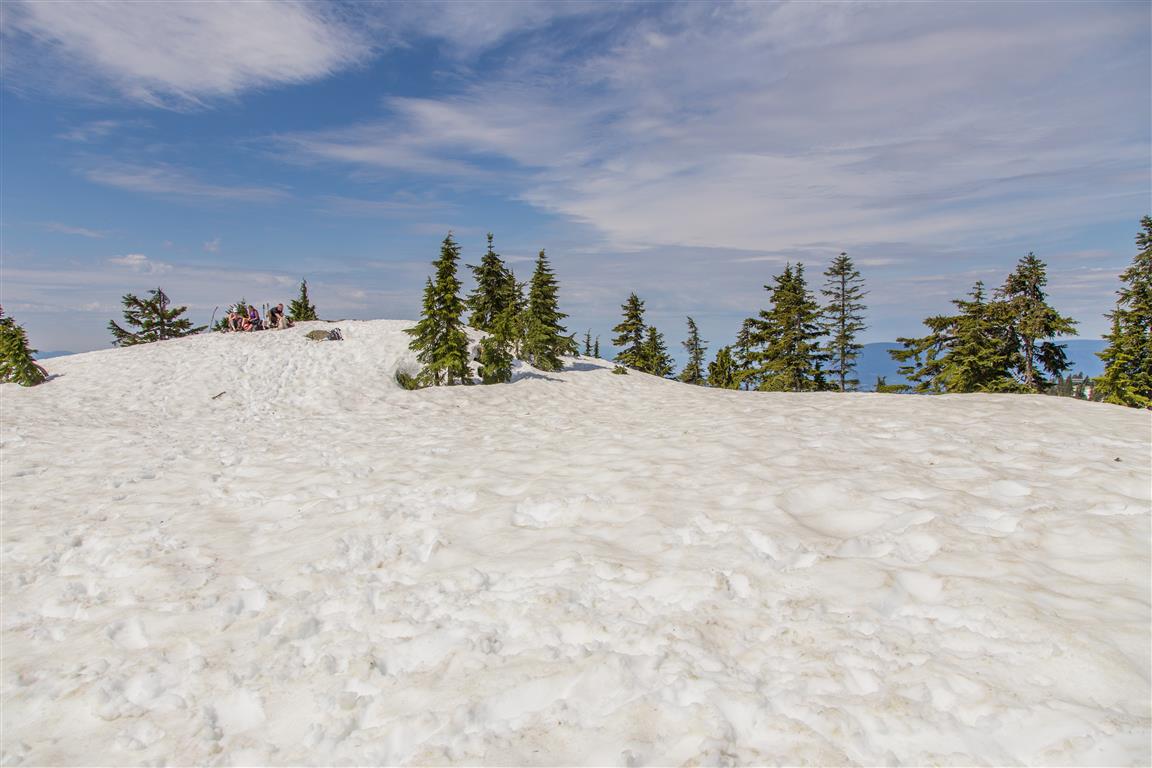
The summit
The summit
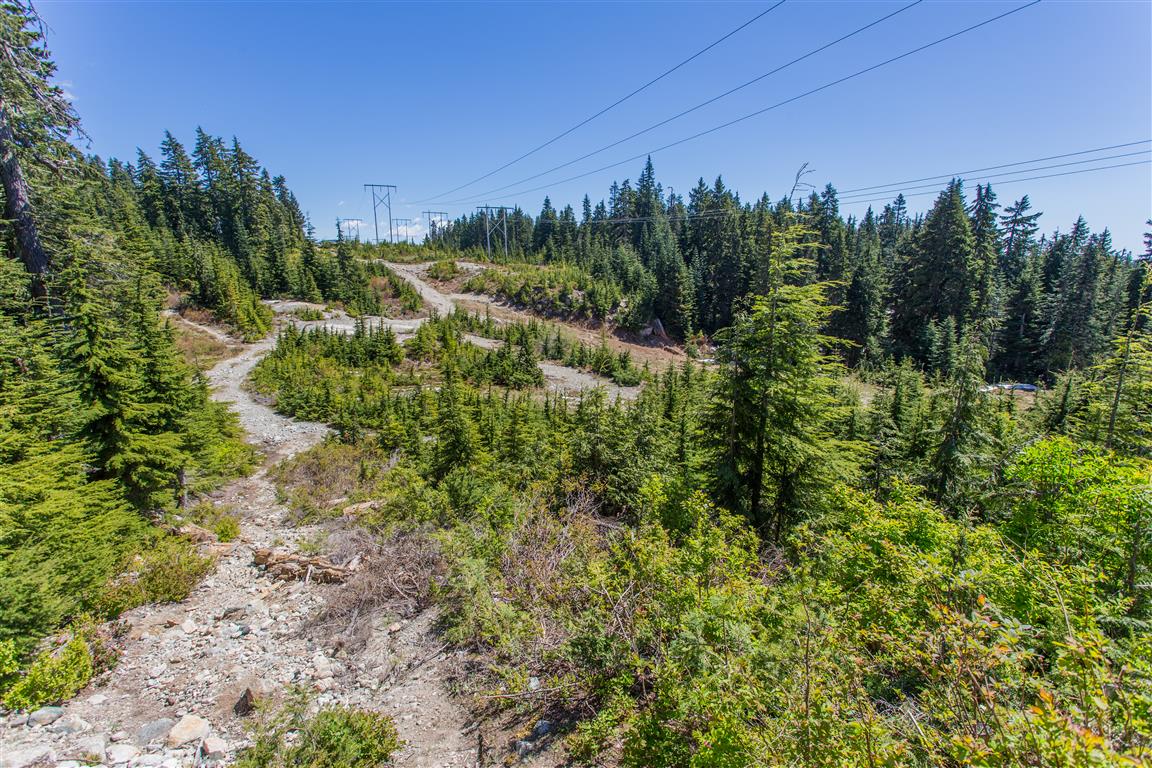
Trail pic
Trail pic
Trail pic
Trail pic
View of Lions Gate Bridge
View of mountains to the north
Edge of small pond
Edge of small pond
Conditions on this trail can change over time — trailheads move, access rules shift, and businesses close. This post reflects what I found when I did the hike.

Before You Hike

Before heading out on your hike, make sure you are well prepared. This means having the TEN ESSENTIALS. It is also important to leave a trip plan (route details and estimated return time) with someone you trust.

Bring your smartphone, fully charged, and put it in airplane mode while hiking. I always bring backup battery packs for extra peace of mind. It is highly recommended that you bring a GPS device. I use my smartphone with a GPS app (Backcountry Navigator). The GPS will work in airplane mode. Learn how to use it before your hike.

For anyone new to hiking, there is a rule that hikers follow called “Leave No Trace” or LNT. The concept is generally to pack out what you pack in and respect nature, so all future visitors can enjoy what you have enjoyed. To learn more about LNT, please check out this blog by a certified LNT Trainer.

Whyte Lake Trail

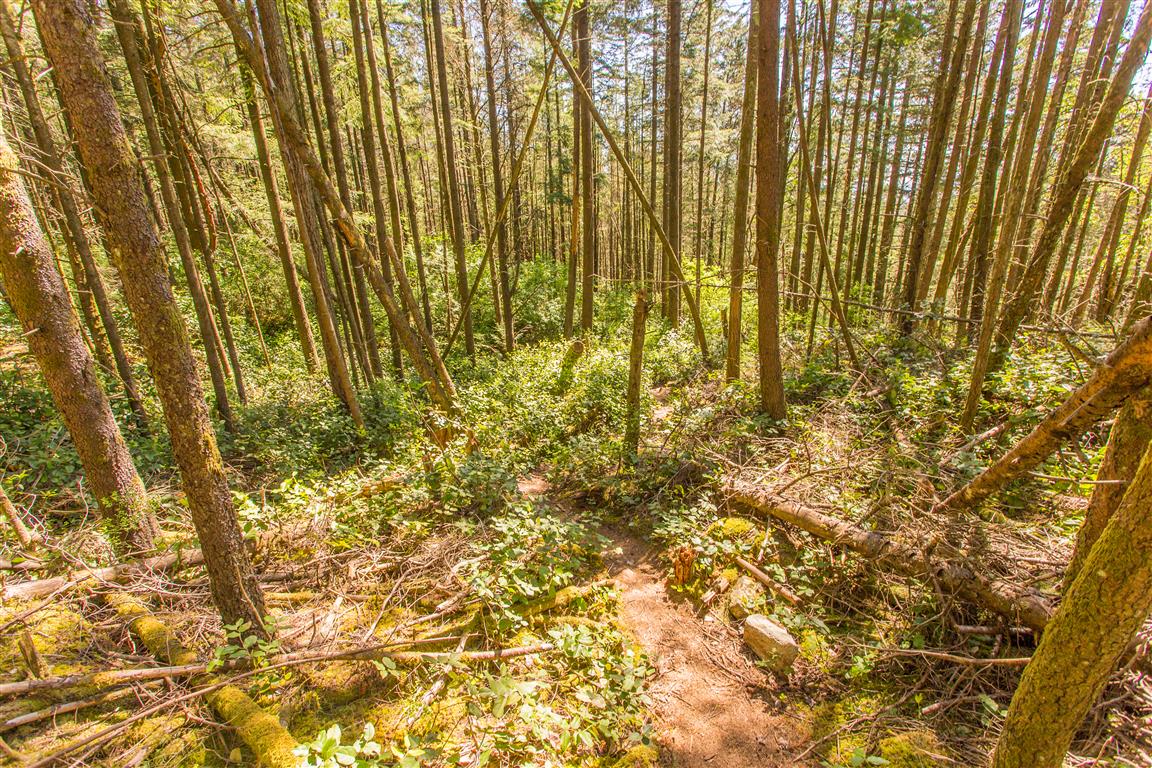
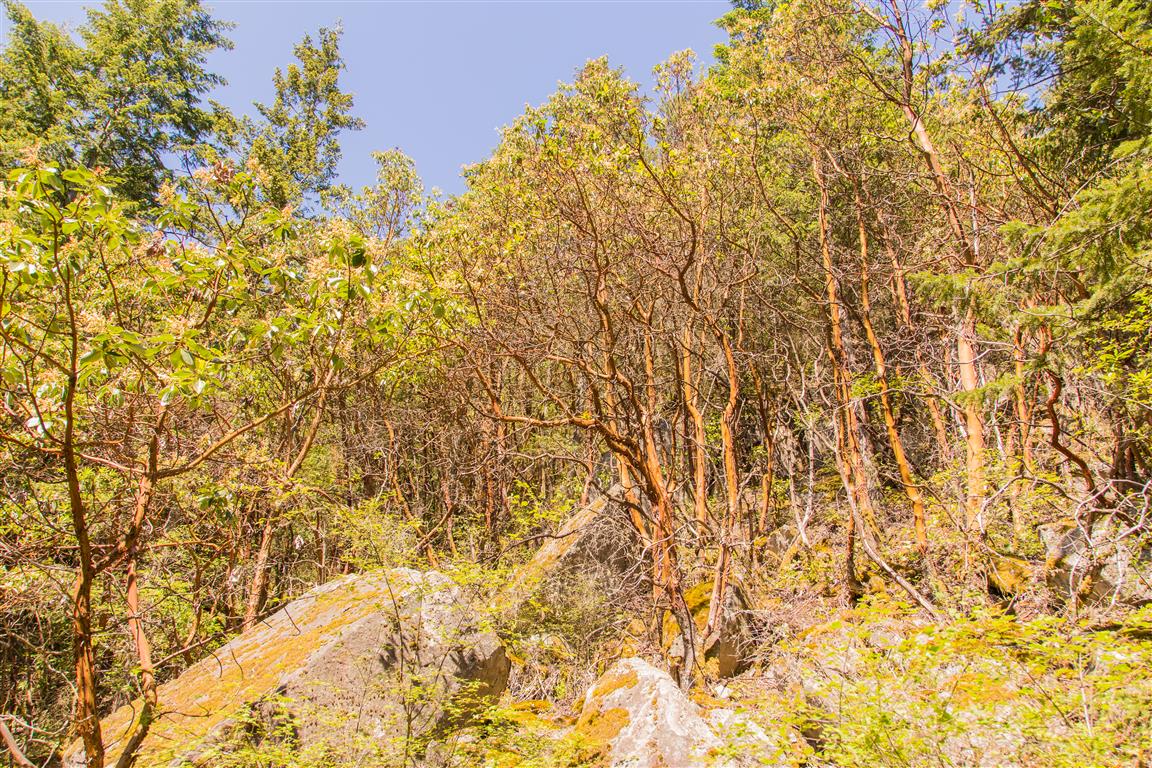
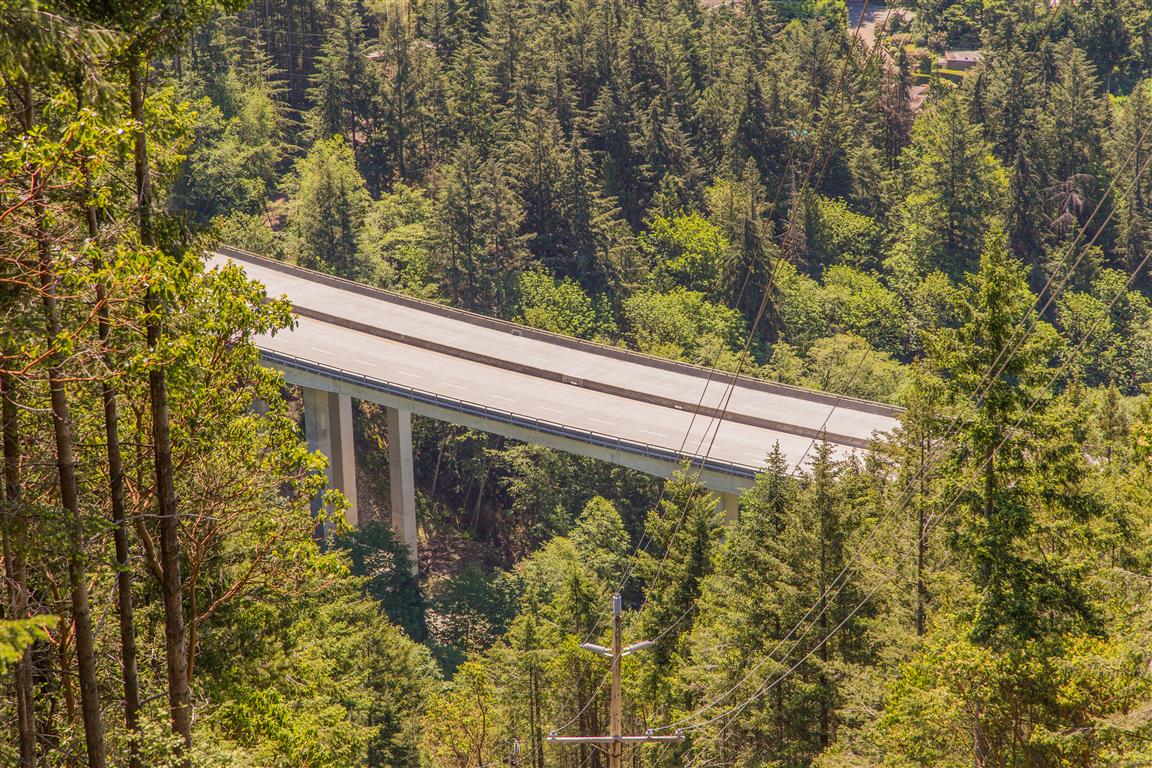
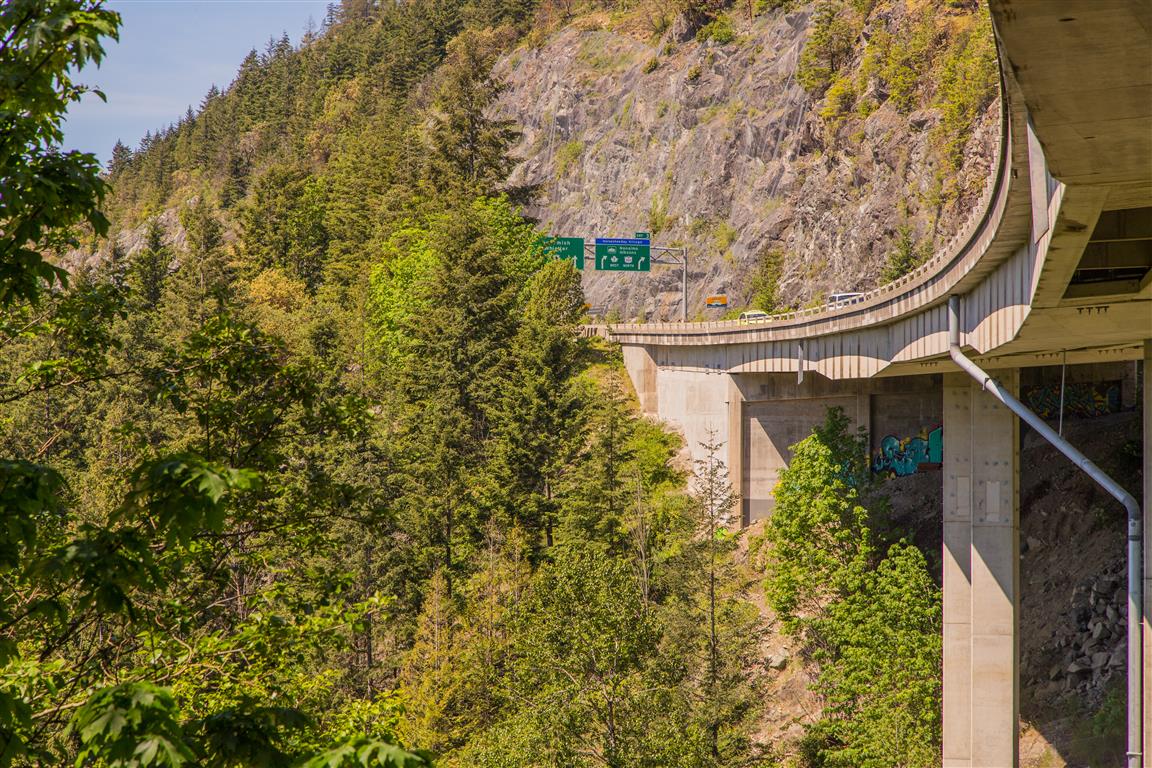
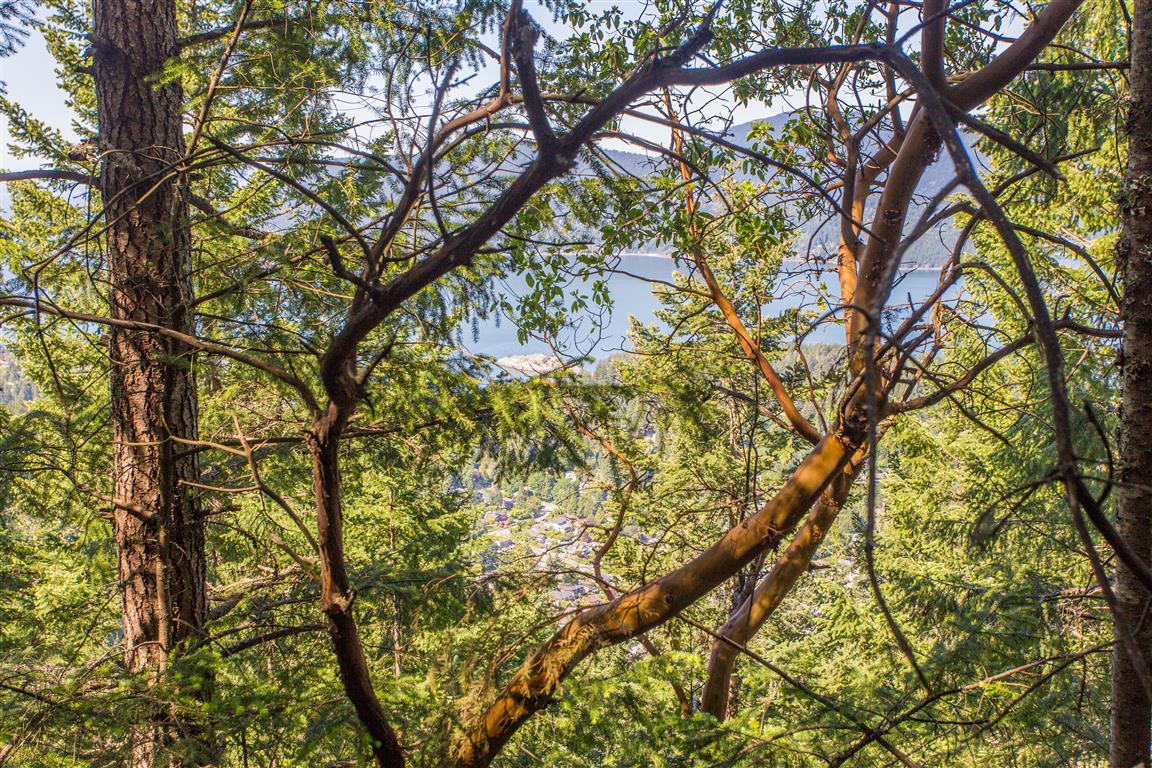
The Whyte Lake trail is an easy hike that starts from near the Nelson Creek Bridge (Trans-Canada Highway) in West Vancouver. There is a nice little parking lot just for this hike (see location below for parking and trailhead location). After passing under the bridge, you will pass a reservoir and start into the forest. The hike is mostly uphill all the way to the lake, which is only 2.5 km away. The trail follows the east side of the Nelson Creek Ravine; as you head north, the ravine gets noticeably smaller. The trail is well established and easy to follow. Today, I completed the hike in a loop (I chose a different way down), but most people will return the same way. With the loop I did, there is a little more elevation gain and the trail isn’t marked (but it is easy to follow, assuming no snow on the ground). There is a tree-obstructed view of Howe Sound from a small branch off the loop trail.

📍 Get Driving Directions ↗

Interesting Facts

  • Whyte Lake is named after Colonel Albert Whyte (1847 to 1939), a West Vancouver councillor and the developer behind nearby Whytecliff Park
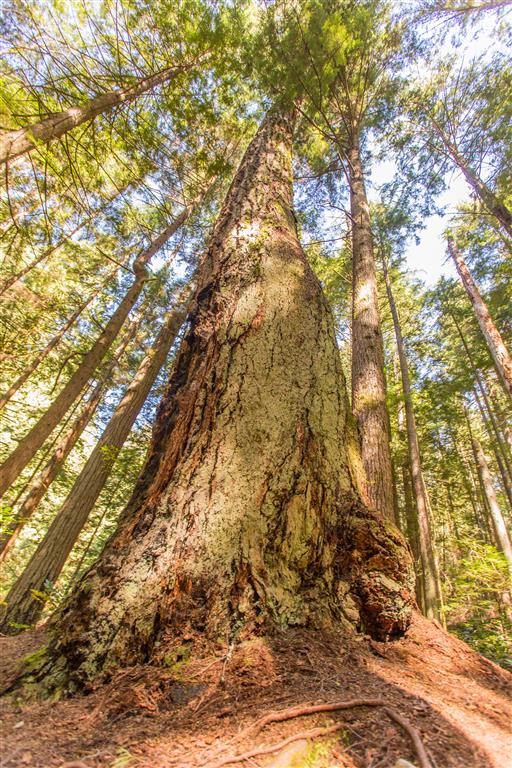
  • The trail passes through groves of old-growth Western red cedar and Douglas fir, some of which predate the surrounding development by centuries
  • The Whyte Lake Trail connects into both the historic Baden-Powell Trail and the Trans Canada Trail, and much of the current trail and signage in this area was completed around the time of highway reconfiguration ahead of the 2010 Winter Olympics
  • Sitting at a low elevation close to Howe Sound, this trail is within the dry maritime subzone of the Coastal Western Hemlock (CWHdm) biogeoclimatic zone, typical of this part of the North Shore

Trail Stats

Here are the stats for the loop, or return on the same trail:

  • Distance: 6.2 km (loop) / 5.0 km (same trail)
  • Time: 2 hours (lots of breaks)
  • Low point: 96 m
  • High point: 343 m
  • Elevation gain: 247 m
  • Calories burned: 600
  • Trailhead: 49° 21′ 40″ N, 123° 15′ 34.5″ W (Google Map)

The Route

The actual GPS track from this hike, drawn on the map below. Green marks the start/end point. Use the layer control in the top right to switch to a satellite view.

Photos
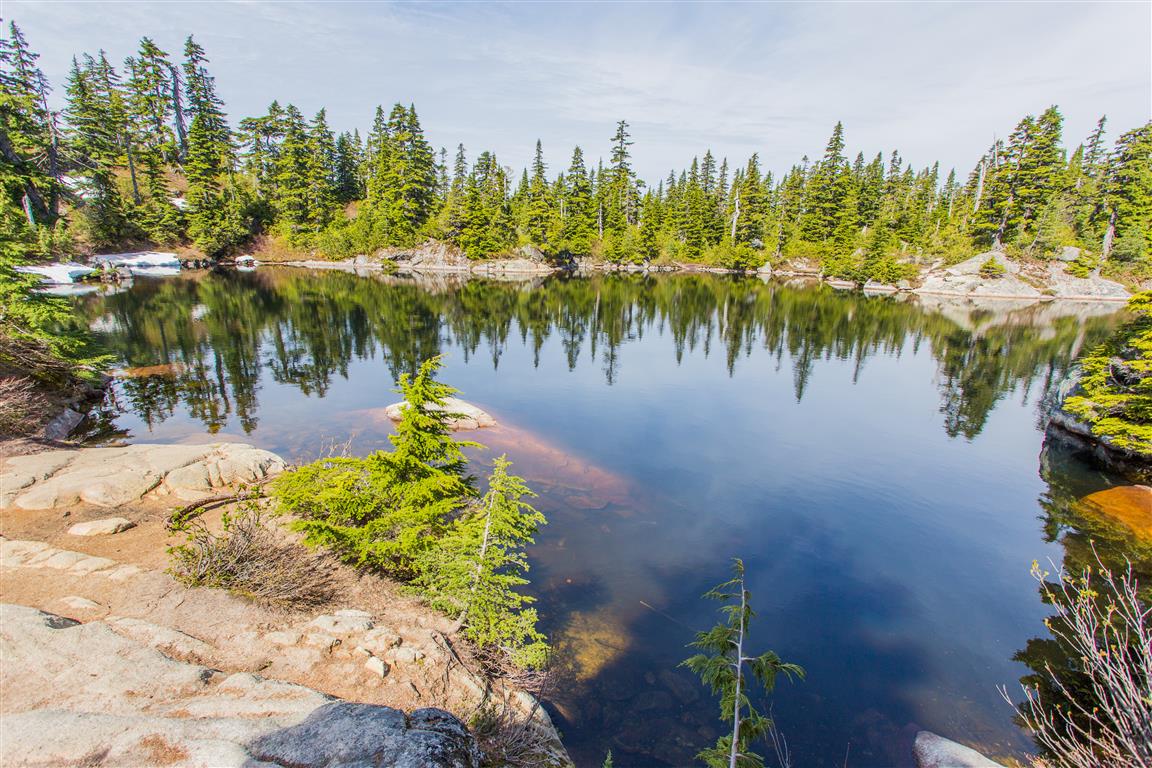
Whyte Lake
Whyte Lake
Nelson Creek
Nelson Creek
Approaching lake
Approaching lake
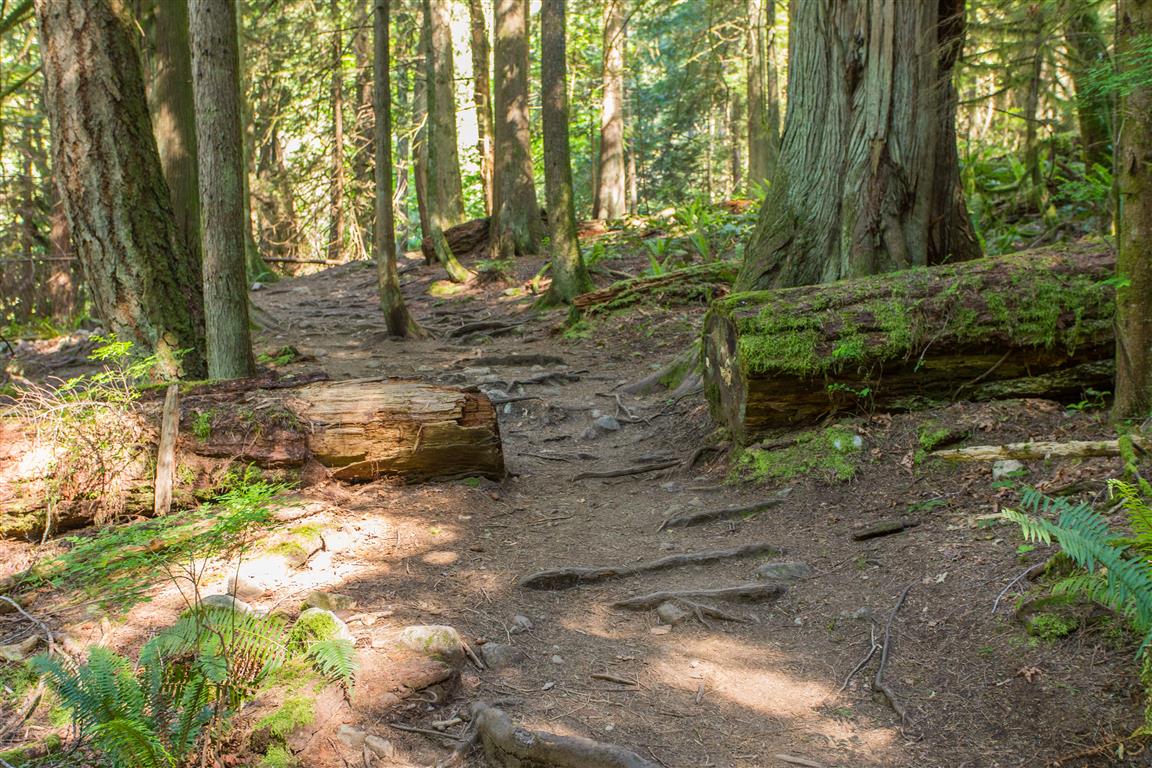
Forest
Forest
Grove of arbutus trees
Huge tree
Huge tree
Nelson Creek Bridge
Nelson Creek Bridge
Nelson Creek Bridge
Nelson Creek Bridge
Obstructed viewpoint
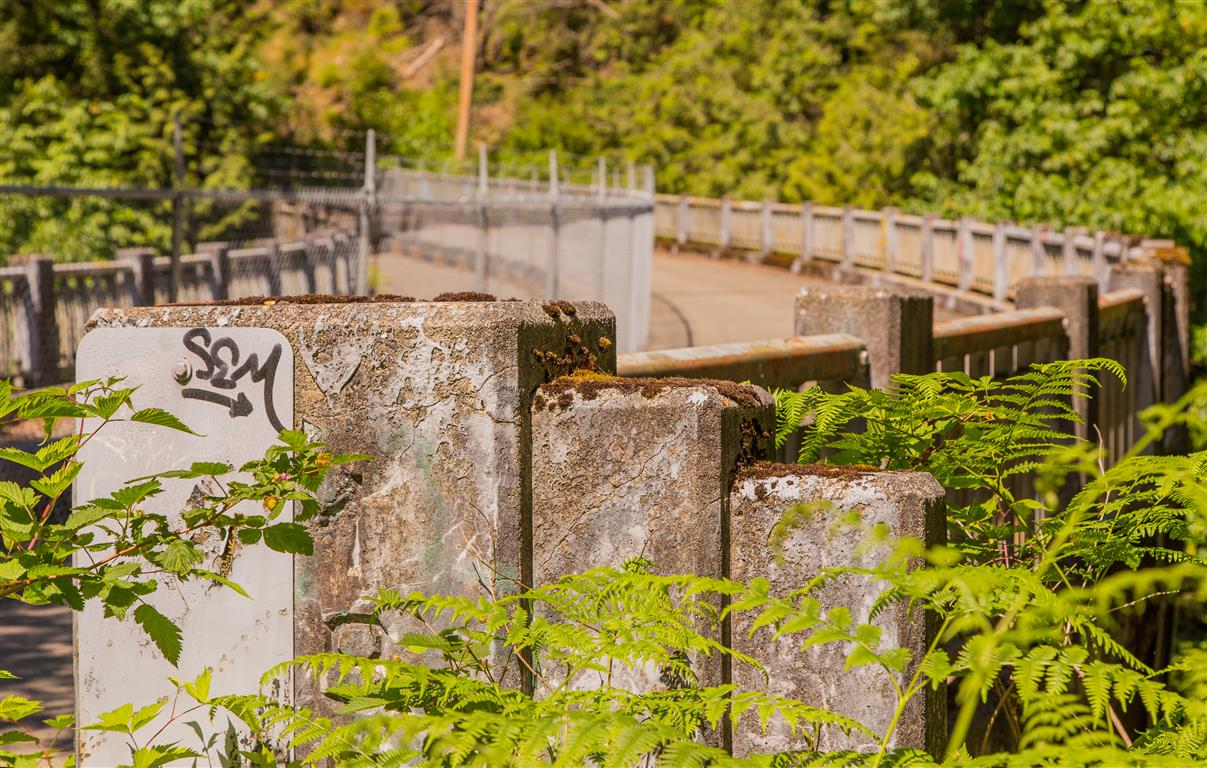
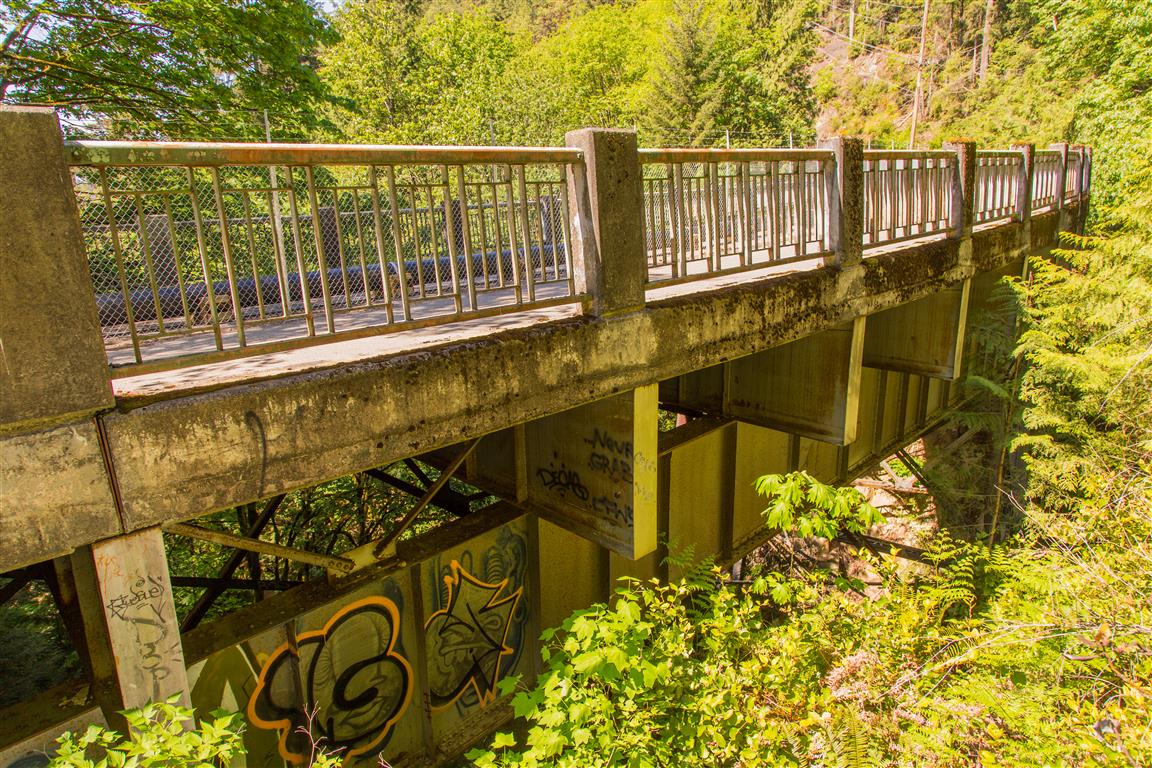
Old Nelson Creek Bridge
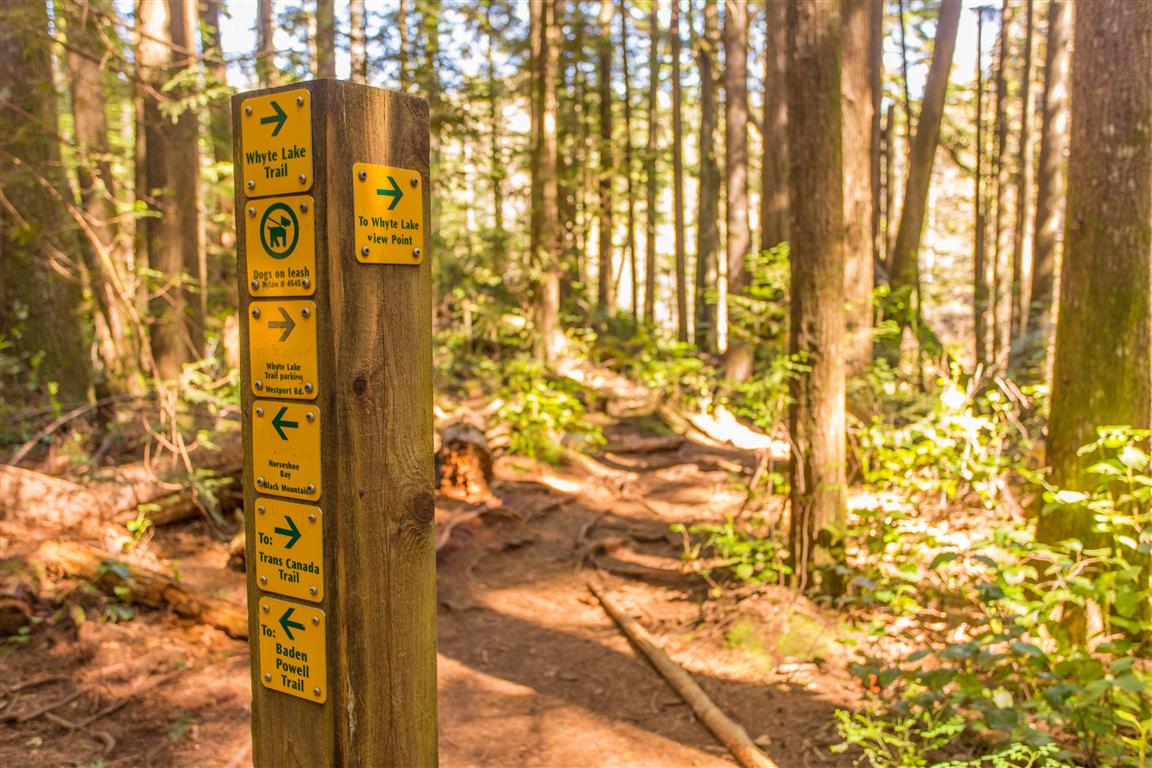
Signage near lake
Signage near lake
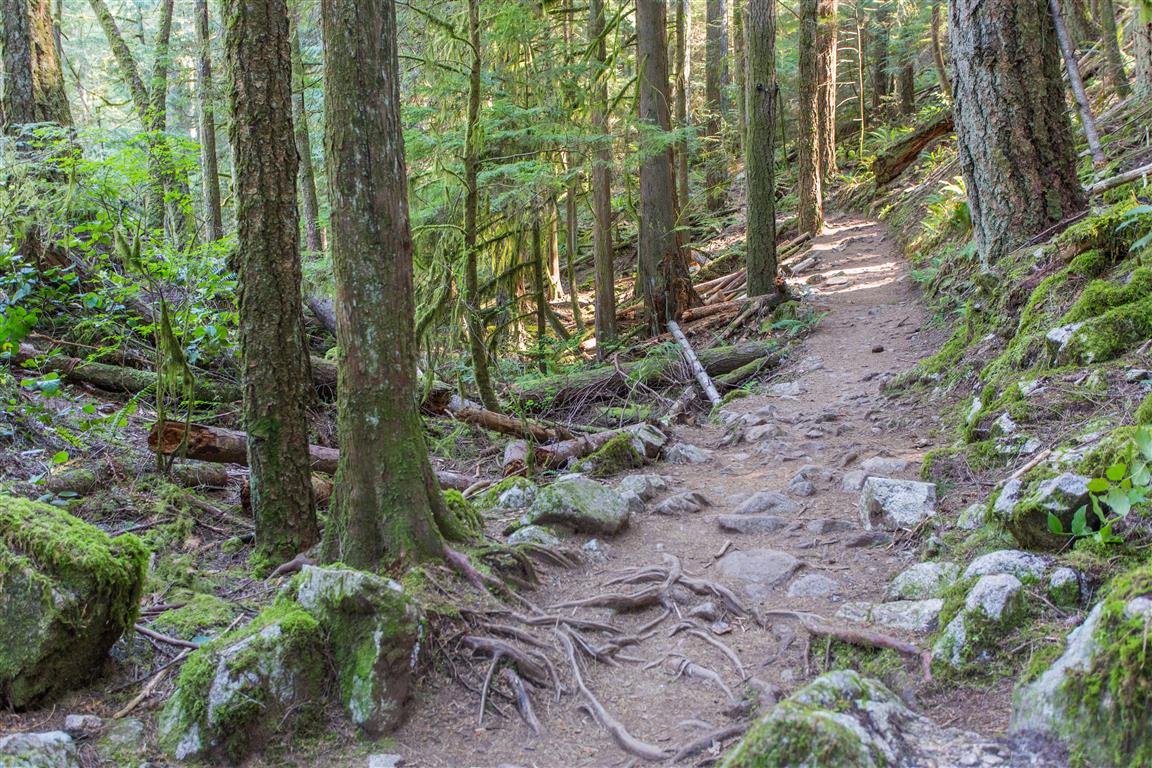
Trail pic
Trail pic
Trail pic
Trail pic
Conditions on this trail can change over time — trailheads move, access rules shift, and businesses close. This post reflects what I found when I did the hike.

Before You Hike

Before heading out on your hike, make sure you are well prepared. This means having the TEN ESSENTIALS. It is also important to leave a trip plan (route details and estimated return time) with someone you trust.

Bring your smartphone, fully charged, and put it in airplane mode while hiking. I always bring backup battery packs for extra peace of mind. It is highly recommended that you bring a GPS device. I use my smartphone with a GPS app (Backcountry Navigator). The GPS will work in airplane mode. Learn how to use it before your hike.

For anyone new to hiking, there is a rule that hikers follow called “Leave No Trace” or LNT. The concept is generally to pack out what you pack in and respect nature, so all future visitors can enjoy what you have enjoyed. To learn more about LNT, please check out this blog by a certified LNT Trainer.
North Shore Hikes

Here is where you’ll find all of my North Shore hikes. Enjoy…